


Rhinoplasty Cartilage Types: Ear, Septal & Rib Cartilage | B…
Learn how ear, septal, and rib cartilage differ in rhinoplasty, including available volume, structural support, donor sites, and how graft selection is planned.
Learn how ear, septal, and rib cartilage differ in rhinoplasty, including available volume, structural support, donor sites, and how graft selection is planned.

Compare Cartilage-Particle Rhinoplasty (Open) and Cartilage-Particle Nose Injection (Closed), including approach, correction range, cartilage harvesting, and consultation points.

Cartilage-particle rhinoplasty uses autologous septal, ear, or rib cartilage processed into fine particles. Learn how the material is prepared, applied, and evaluated.
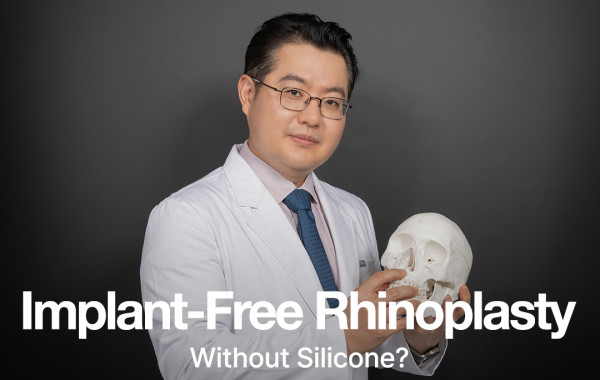
Implant-free rhinoplasty uses autologous tissue such as septal, ear, or rib cartilage instead of silicone. Learn about methods, material choices, indications, and limitations.

Learn how redness and warmth after rhinoplasty can differ during recovery and which changes, including worsening pain, swelling, or drainage, need medical evaluation.

Learn why a nasal implant may become visible after rhinoplasty, what changes can affect the skin and implant contour, and which symptoms need prompt medical evaluation.
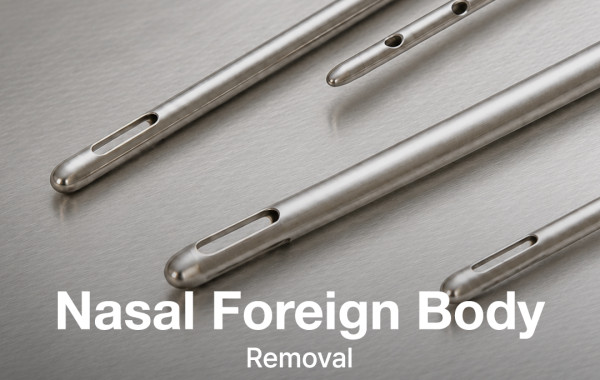
Nasal filler, thread, and implant removal methods differ according to the material, location, adhesions, and inflammation. Review what to prepare and which symptoms require prompt care.
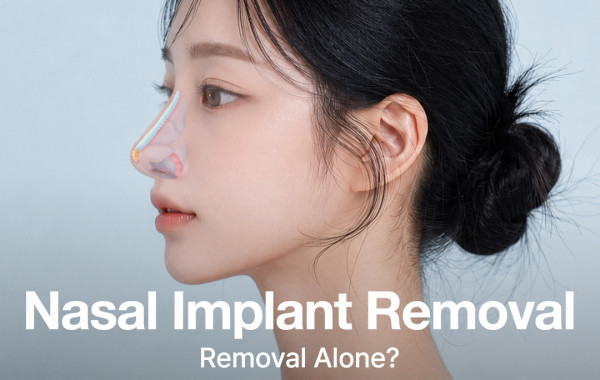
Learn when nasal implant removal alone may be considered and when reconstruction may also be needed. Review skin and support conditions, inflammation symptoms, treatment sequence, and consultation questions.