




Revision Rhinoplasty for Implant Complications
We identify the cause of each implant complication and provide
the appropriate solution for each individual's condition
Procedure at a Glance

Surgery Time
2–3 hours

Suture Removal
After 6–7 days

Anesthesia
Local / Sedation

Follow-up Visits
3–4 visits

Hospitalization
Same-day discharge

Recovery
7 days
Who It’s For

Swelling or pain caused by inflammation
Discomfort or foreign-body sensation from the implant
Skin thinning, redness, or blanching
Implant or autologous cartilage protrusion or show-through due to skin thinning
Implant appears warped or the nose looks unnatural
Psychological anxiety about inflammation or contracture complications following implant placement
YOUTUBE






BAROKO
NOSE CLINIC
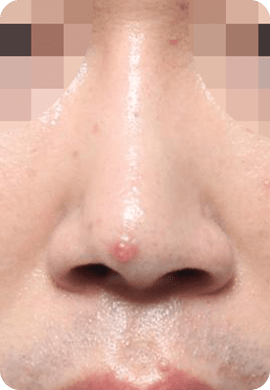
Silicone Exposure
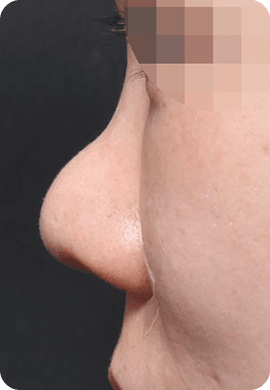
Silicone Contracture
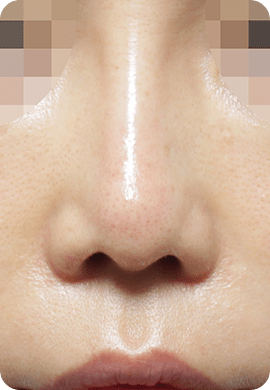
Silicone Show-through
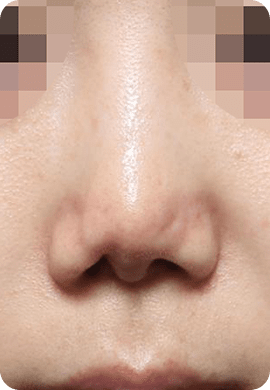
Mesh Complications
What is Revision Rhinoplasty for Implant Complications?
This refers to cases where the implant is removed due to a complication and revision surgery is performed.
Because this requires greater care than a primary procedure, surgery must proceed
through thorough consultation, examination, and a systematic plan with highly experienced surgeons.
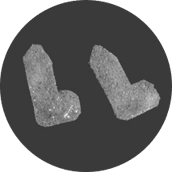
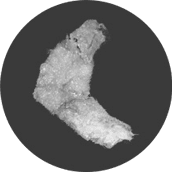
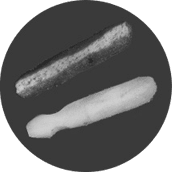
When Should a Nasal Implant Be Removed?
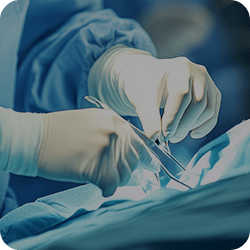
01
When Inflammation Occurs —
Conventional Nasal Implant Removal
Because the tissue must stabilize and soften,
at least 6 months must pass since the previous surgery,
which can be a source of
considerable emotional stress.

02
When Inflammation Occurs —
Baroko Early Nasal Implant Removal
Through intensive stem-cell therapy that aids vascular regeneration
and improves circulation, rapid tissue recovery is achieved,
allowing early revision surgery
within one month.

03
No Inflammation —
Immediate Implant Removal Possible
The implant can be removed immediately,
followed by cartilage-particle rhinoplasty or a nose injection
for revision.

Procedure
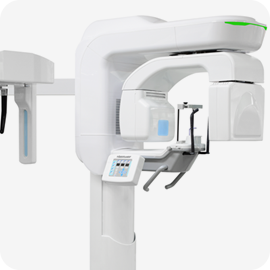
STEP 01
To accurately identify the cause and condition, bacterial tests,
3D-CT, endoscopy, ultrasound, and other
diagnostic tools are used to assess the problem.
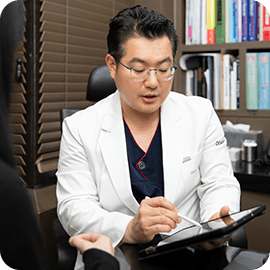
STEP 02
Based on the specialist review and diagnostic results,
the surgical plan, schedule, and treatment timeline are established.
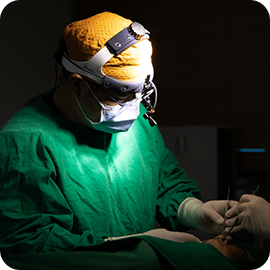
STEP 03
The implant is removed
before contracture develops.

STEP 04
Stem-cell therapy supports rapid recovery through
vascular regeneration, cell regeneration, tissue repair,
and immune modulation.
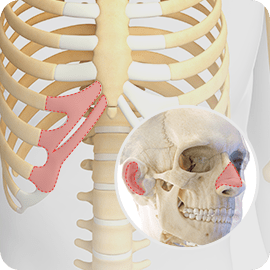
STEP 05
To provide strong dorsal support,
autologous cartilage — safe with minimal side effects —
is used as a strut.
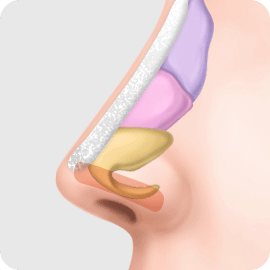
STEP 06
If the skin was damaged by the previous implant,
autologous dermis and skin extension techniques
are used to protect the strut securely.
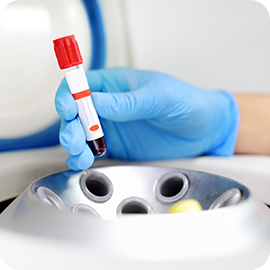
STEP 07
Post-operative stem-cell therapy is added
to accelerate damaged-tissue repair
and overall recovery.
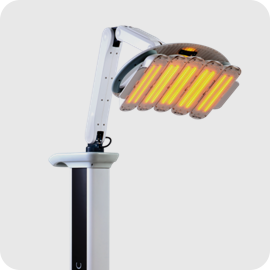
STEP 08
Various laser treatments, including Highlight,
are used to support fast post-operative recovery.
Baroko Cartilage-Particle Revision Rhinoplasty
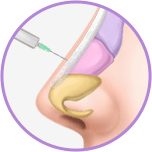
Cartilage-Particle Nose Injection
If you want a natural nose shape after implant removal,
we recommend the cartilage-particle nose injection.
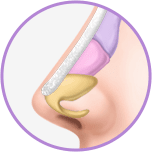
Cartilage-Particle Rhinoplasty
If you want a sharper nose line after implant removal, we recommend cartilage-particle rhinoplasty.

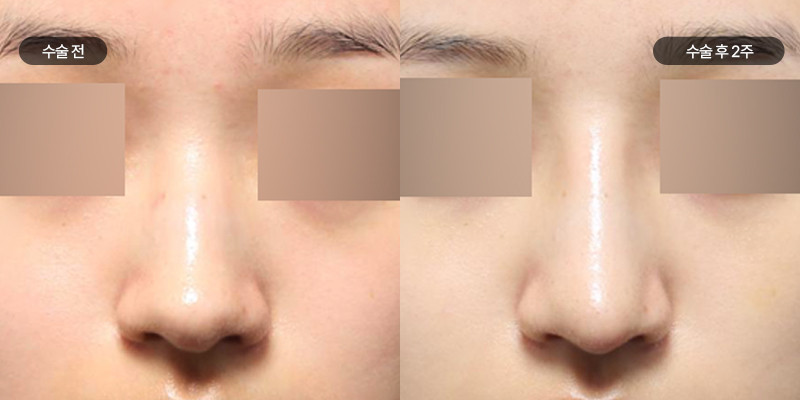
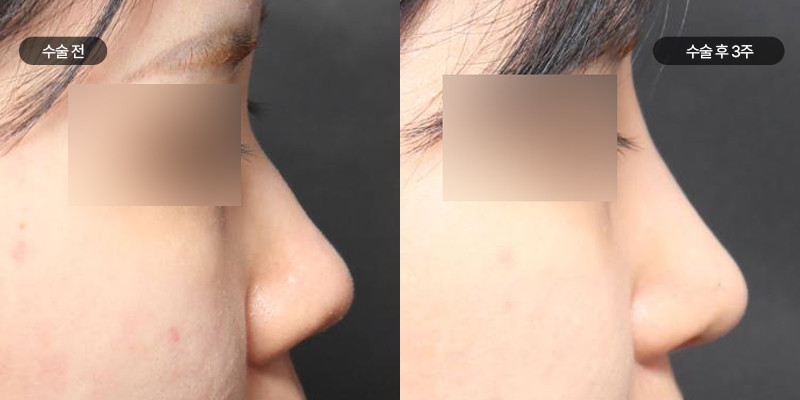
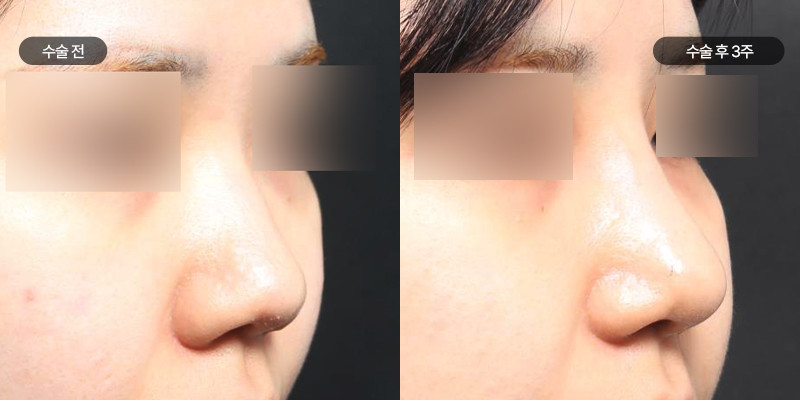
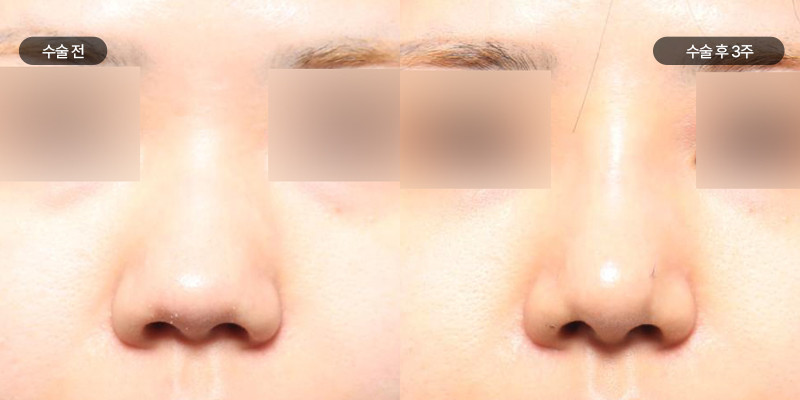
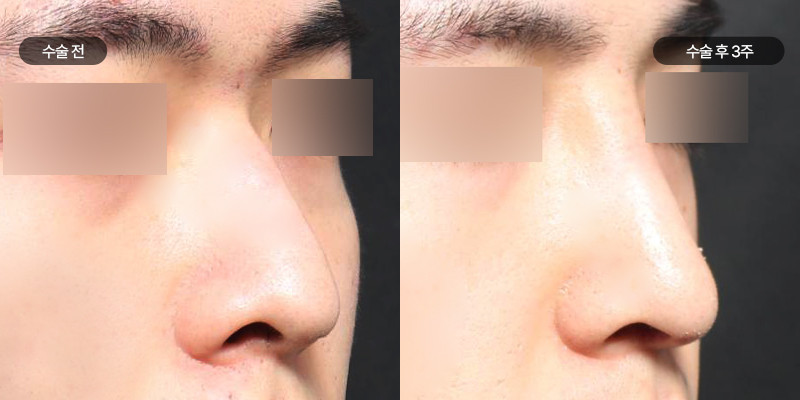
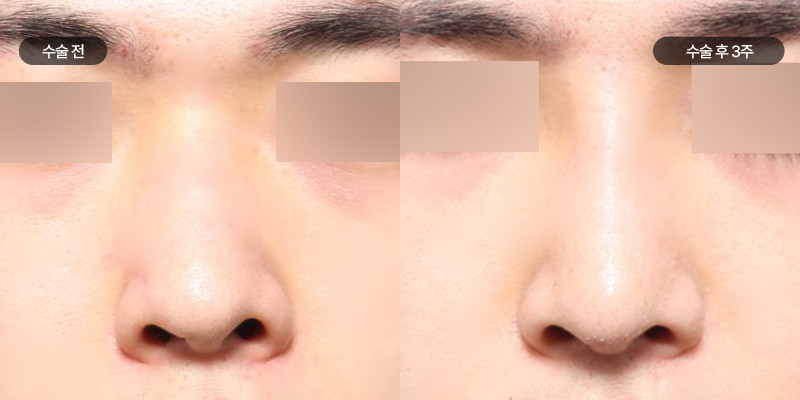
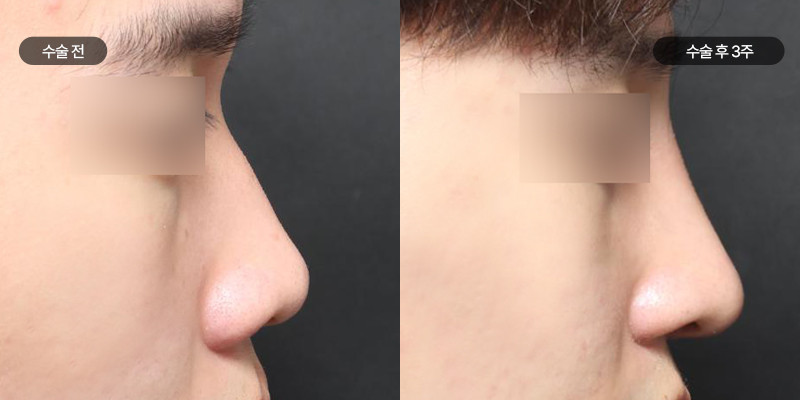
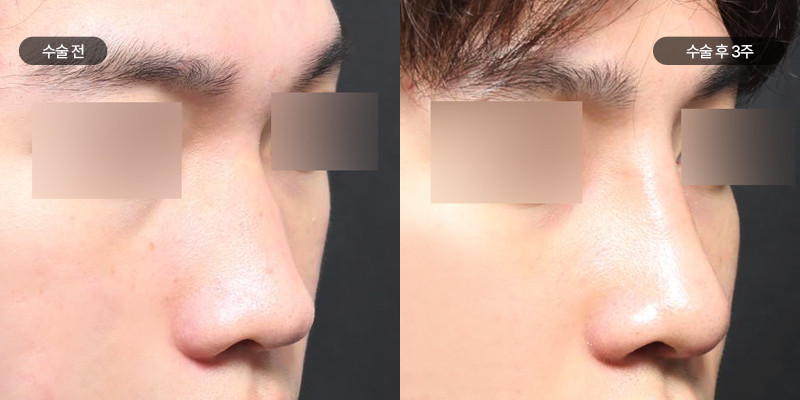
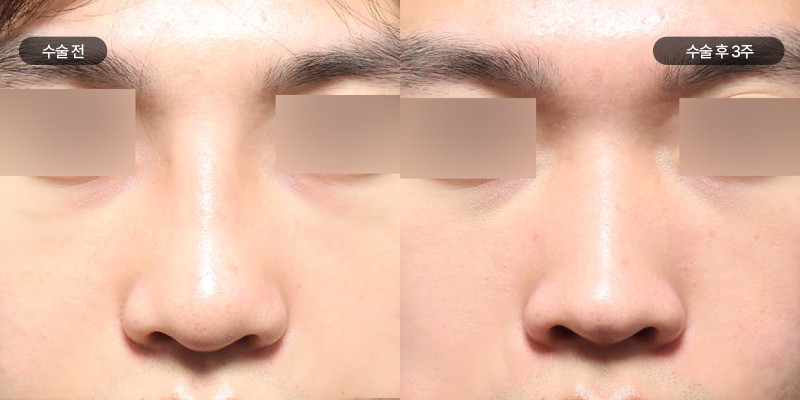
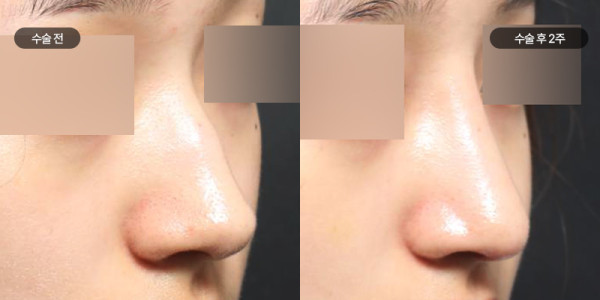
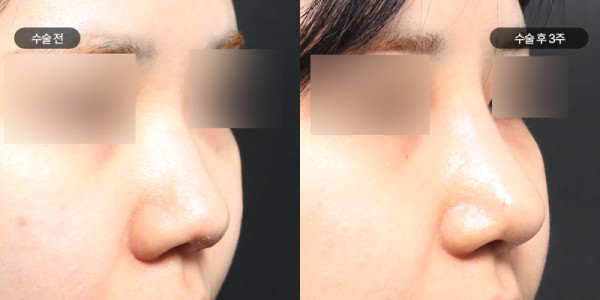
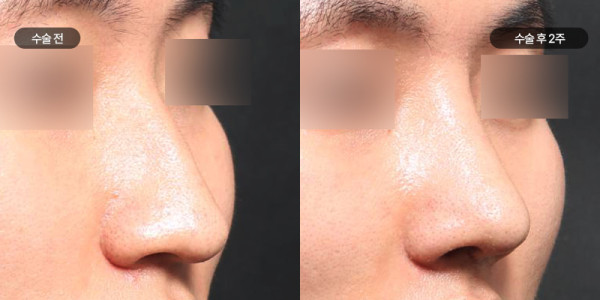
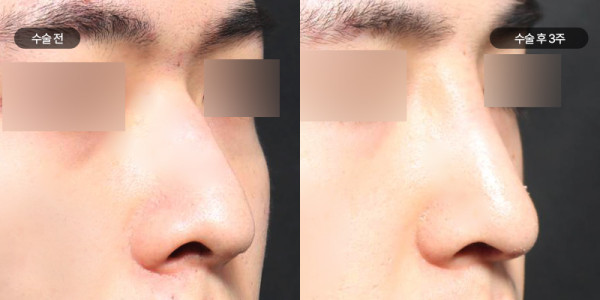
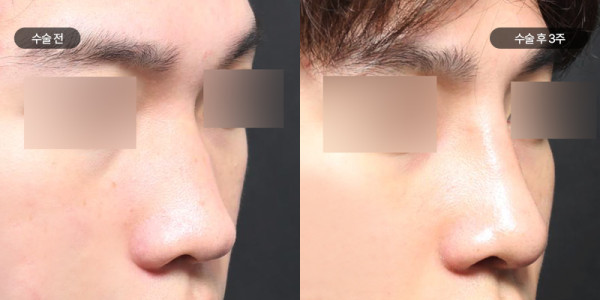
BAROKO results — before & after
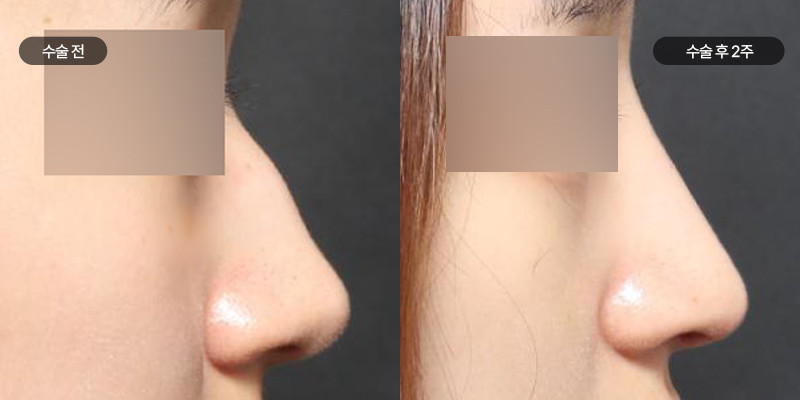
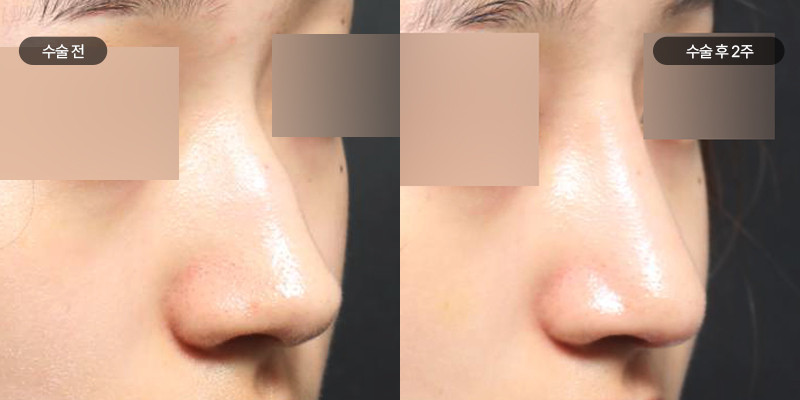
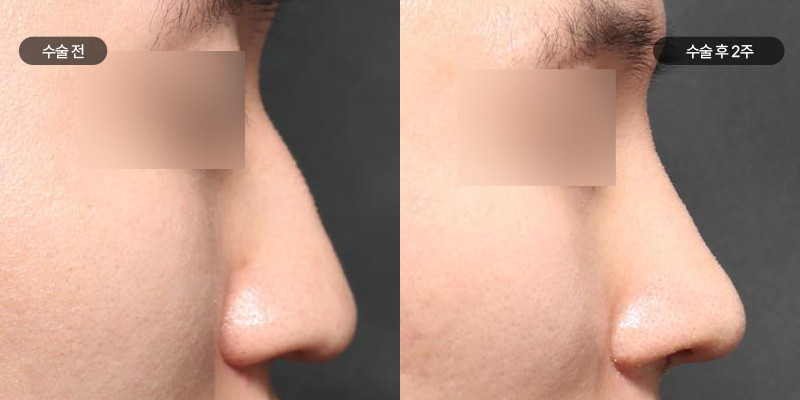
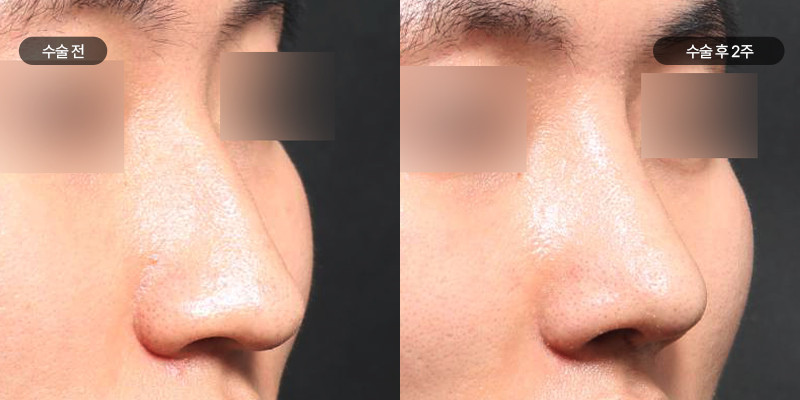
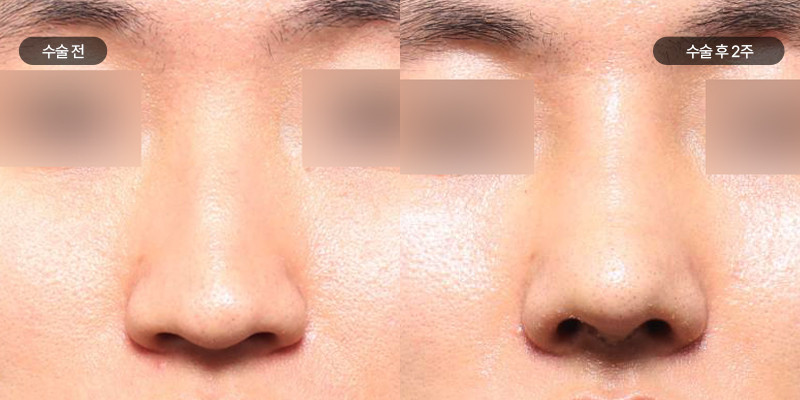
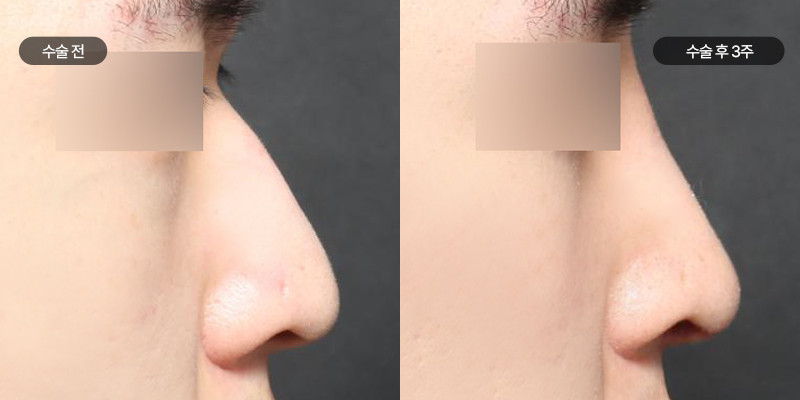




What Makes Baroko Rhinoplasty Special
Baroko takes exceptional pride in rhinoplasty.
01
Precise Pre-operative Assessment
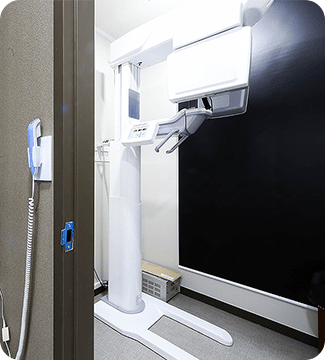
Pre-operative precision imaging is performed using university-hospital-grade 3D-CT.
02
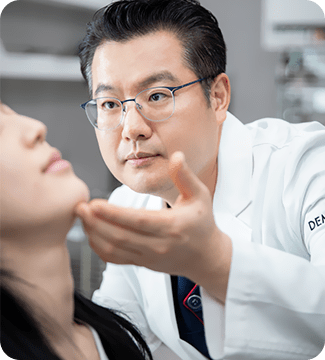
Systematic Analysis & One-on-One Consultation
After 3D-CT imaging, internal nasal dimensions and conditions are
systematically analyzed and a thorough consultation is conducted.
03
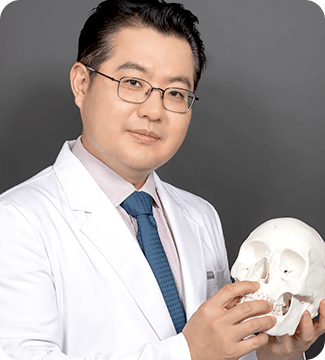
Specialist ENT Surgeon
An ENT specialist exclusively focused on the nose,
combining functional expertise with an aesthetic sense.
04
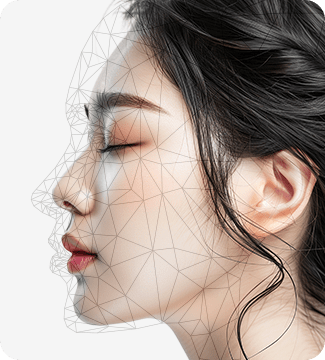
Virtual Surgery Simulation System
Pre-operative virtual simulation is used to accurately visualize
the expected result.
05
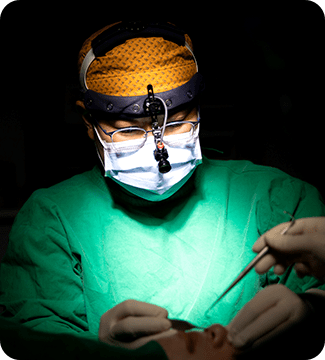
No Artificial Materials
By using autologous cartilage instead of synthetic materials or donor cartilage,
the risk of inflammation is minimized.
06
Director with 20+ Years of Experience
A wealth of clinical experience focused exclusively on the nose,
creating harmonious contours that complement each face.
07
Commitment to Safe Surgery
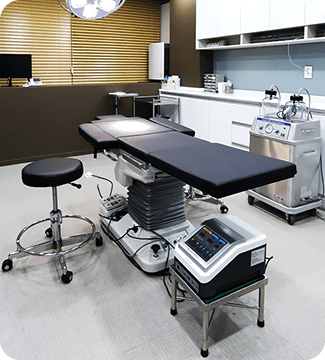
A large sterile operating room prevents infection,
and ultrasound guidance ensures safe anesthesia.

08
Proprietary Core Expertise
Baroko holds differentiated expertise in
face-profile rhinoplasty.

09
Surgery Warranty Certificate Issued
As a mark of Baroko's pride in rhinoplasty, a surgery warranty certificate is issued after every procedure,
ensuring thorough
post-operative care.
10
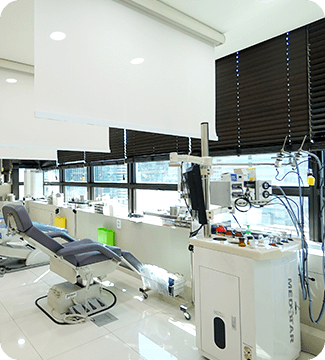
Systematic Aftercare
Baroko's unique and systematic aftercare program
takes full responsibility for recovery from bruising, scarring, and swelling.
11
Detailed Progress Monitoring
Before-and-after comparisons are carefully reviewed at each follow-up,
and progress is monitored in detail,
resulting in high patient satisfaction.
Frequently Asked Questions about Revision Rhinoplasty for Implant Complications
Cases include silicone exposure, contracture, or show-through; mesh complications; a foreign-body sensation; skin thinning with implant show-through or protrusion; an implant that appears warped or the nose looks unnatural; and anxiety about inflammation or contracture complications.
When inflammation is present, conventional practice requires waiting at least 6 months for tissue to stabilize. At Baroko, intensive stem-cell therapy accelerates tissue recovery so that early removal and revision surgery within one month is possible in appropriate cases. When no inflammation is present, the implant can be removed immediately, followed by cartilage-particle rhinoplasty or a nose injection.
Bacterial testing, 3D-CT, endoscopy, and ultrasound are used to analyze the cause and condition; the specialist then develops the surgical and treatment plan. The procedure proceeds in order: implant removal, stem-cell therapy, autologous cartilage strut, autologous dermis or skin extension if needed, and post-operative stem-cell and laser care. Surgery takes approximately 2–3 hours under local or sedation anesthesia, with same-day discharge (individual variation applies).