



Cartilage-Particle Nose Injection (Closed)
Autologous cartilage harvested and processed into fine particles,
then injected like a filler — a simple closed-technique mini-procedure
Procedure at a Glance

Surgery Time
Within 1 hour

Suture Removal
Within 10 days (varies by material)

Anesthesia
Sedation

Follow-up Visits
2 visits

Hospitalization
Same-day discharge

Recovery
Return to daily activities after surgery

Splint Removal
None

Tape Removal
Within 2–3 days
Who It’s For

Seeking a straightforward procedure with clearly visible results
Finding repeated nose filler injections inconvenient
Revision required due to complications such as inflammation
Revision required due to complications (inflammation, contracture, etc.)
YOUTUBE





BAROKO
NOSE CLINIC


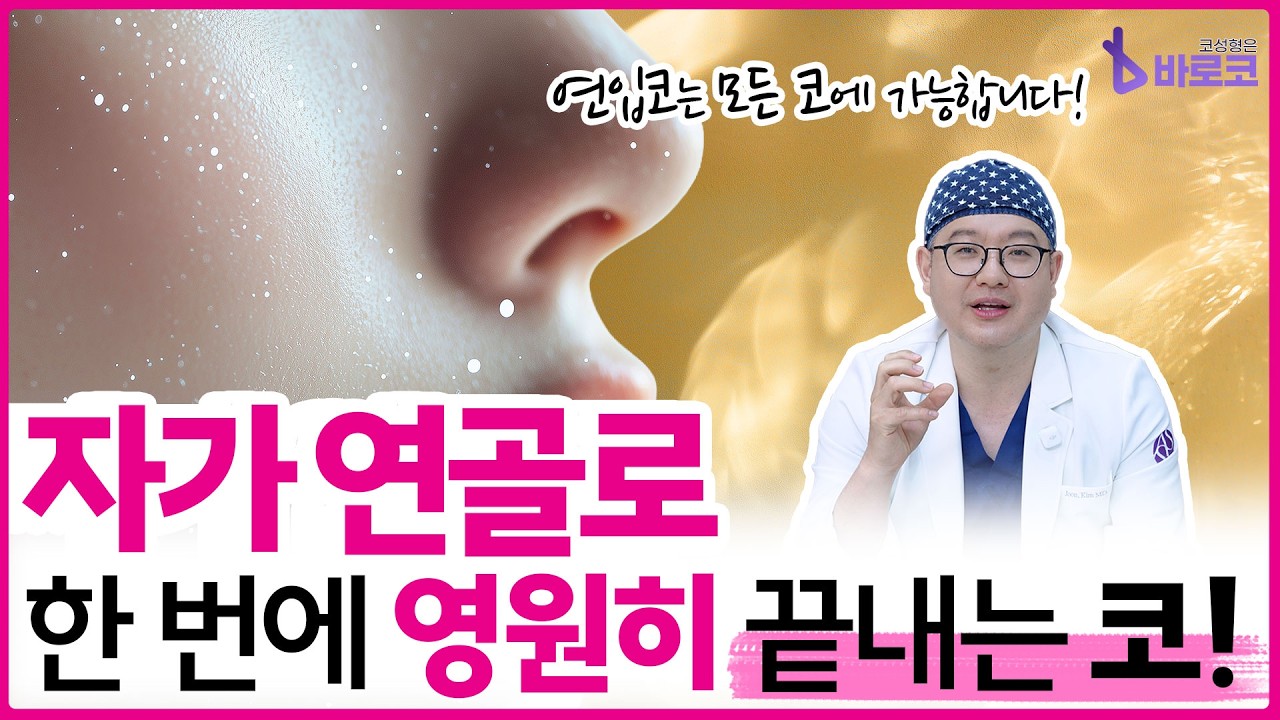
What is the Cartilage-Particle Nose Injection?
Harvested autologous cartilage particles are coagulated with fibrin extracted from the patient's own blood,
loaded into a syringe, and injected into the nose like a filler —
a simple, fast procedure requiring no incision.
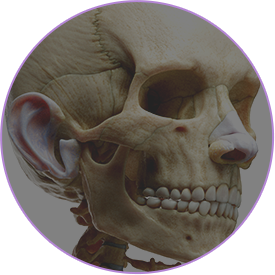
Autologous Cartilage
(Septal, Ear, or Rib Cartilage)
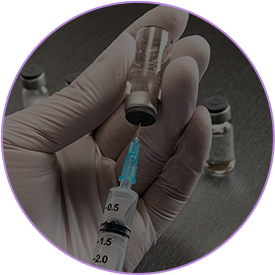
Injection
Baroko Clinic
Trademark application filed for cartilage-particle processing and injection method
Application No. 10-2024-0085896
Comparison: Nose Filler vs. Cartilage-Particle Nose Injection
Nose Filler
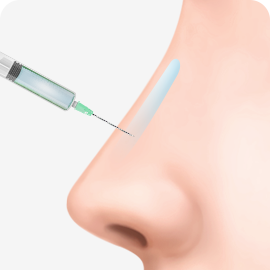
Synthetic material (hyaluronic acid)
Highly absorbed and difficult to remove due to
tissue adhesion
Repeated injections cause skin hardening
Absorbed within a year — temporary effect only
Can only correct the dorsum
Cartilage-Particle Nose Injection
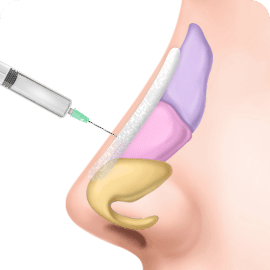
Autologous cartilage(Septal / Ear / Rib)
Normal tissue integrates, making
removal straightforward
Cartilage particles can be replenished for
repeat procedures
Autologous cartilage particles receive a blood supply,
survive, and provide a permanent result
Can correct both the dorsum and the tip
Benefits of the Cartilage-Particle Nose Injection
No Vascular Risk
Filler injections carry a risk of vascular complications,
but the cartilage-particle nose injection is safe.

Fast Procedure — Closed Technique
Loaded into a syringe and injected into the nose like a filler,
the closed technique allows a simple, fast procedure.

Natural, Elevated Nose
Its strong projection force allows the bridge and tip
to be elevated naturally.

Light yet Strong
Light in weight but firm in structure, achieving
a sharp definition all the way to the tip.

Minimal Rejection Risk
Unlike synthetic fillers, autologous tissue
carries virtually no risk of rejection.

Procedure
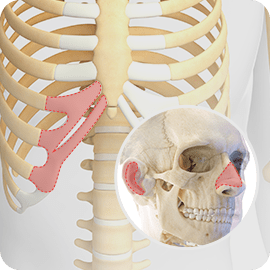
STEP 01
During a one-on-one consultation with the director,
septal, ear, or rib cartilage is selected based on the patient's condition,
harvested, and processed into fine particles.
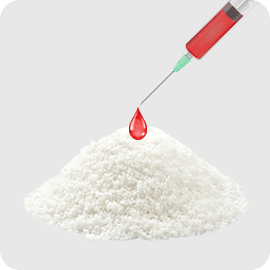
STEP 02
To improve the survival rate of the particulated autologous cartilage,
it is coagulated and processed
with the patient's own blood components.
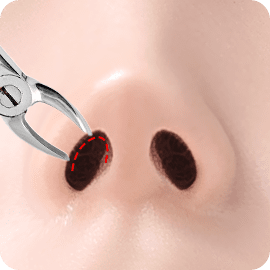
STEP 03
A small incision is made inside the nasal mucosa.
(Closed rhinoplasty)
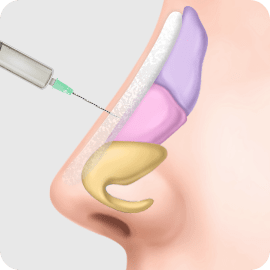
STEP 04
The particulated cartilage injection is introduced into the nose
and shaped to achieve the desired result.
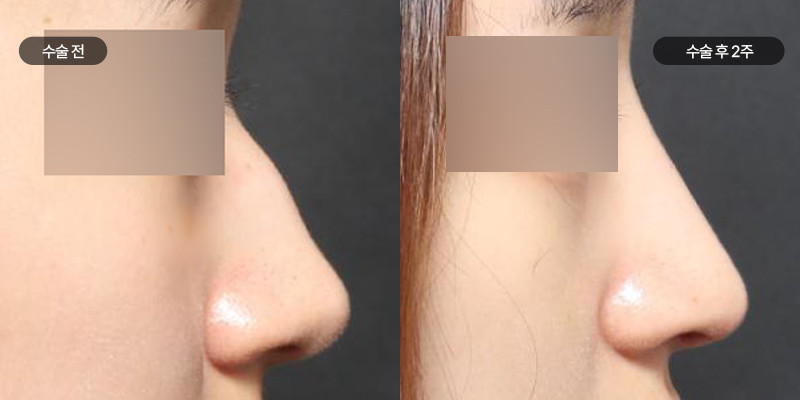
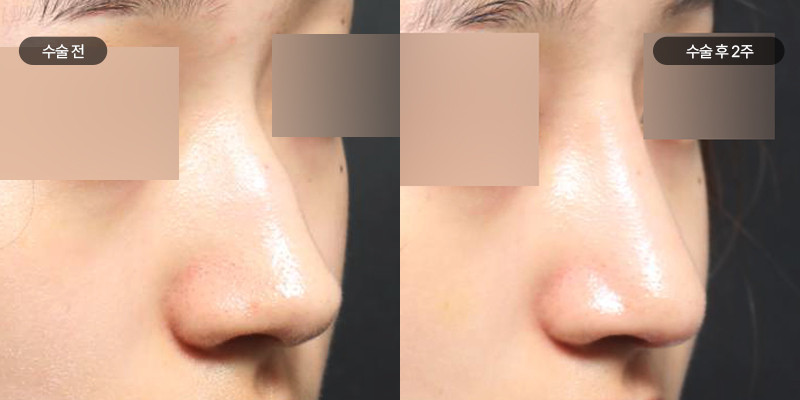
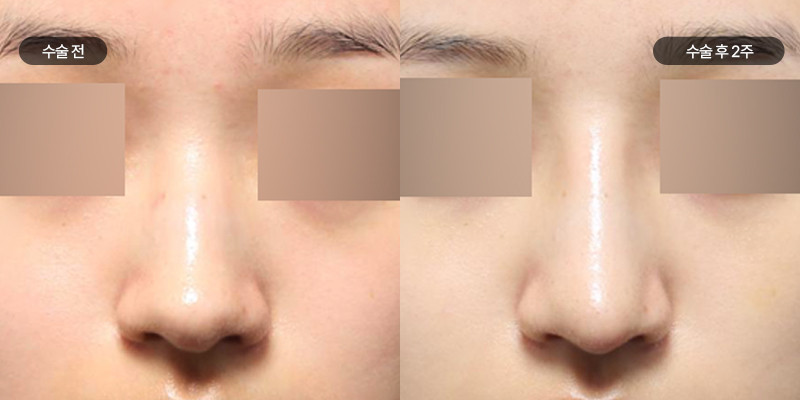
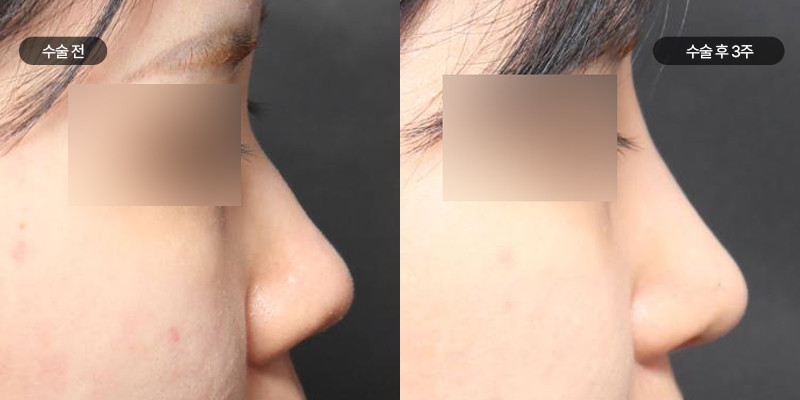
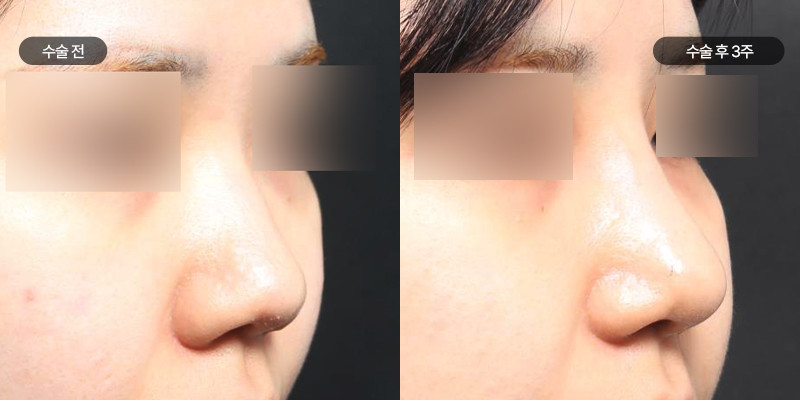
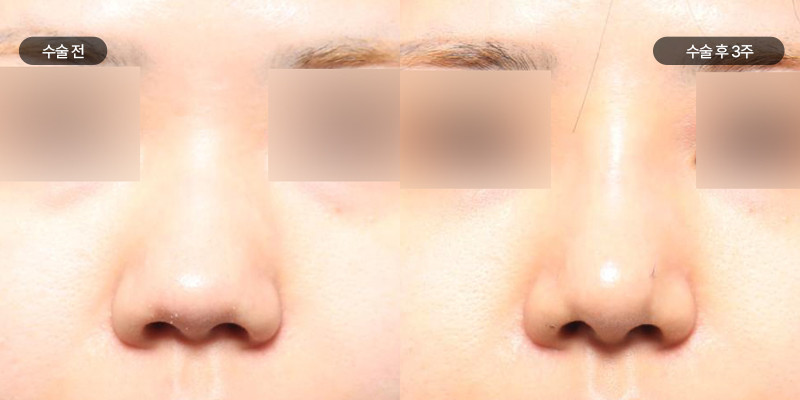
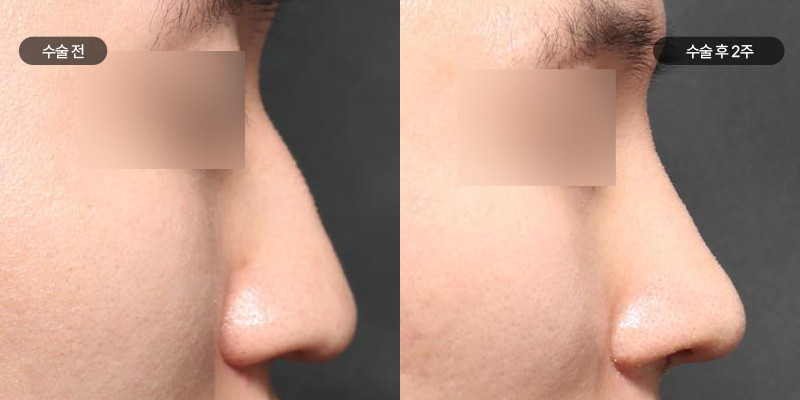
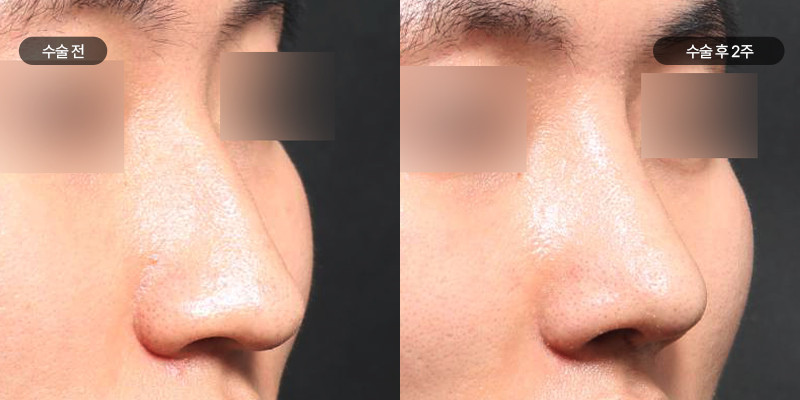
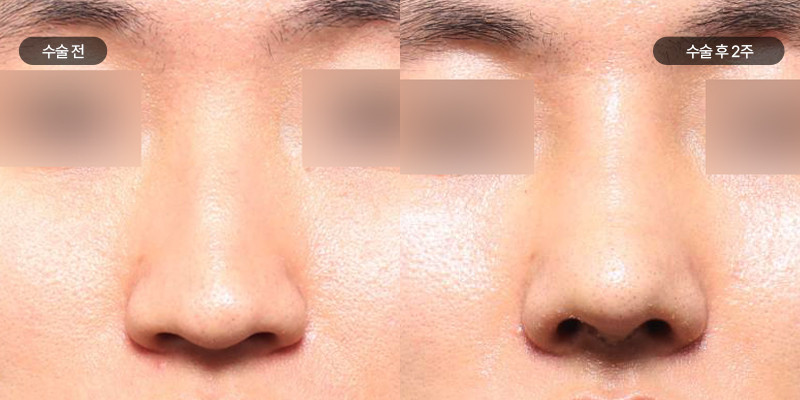
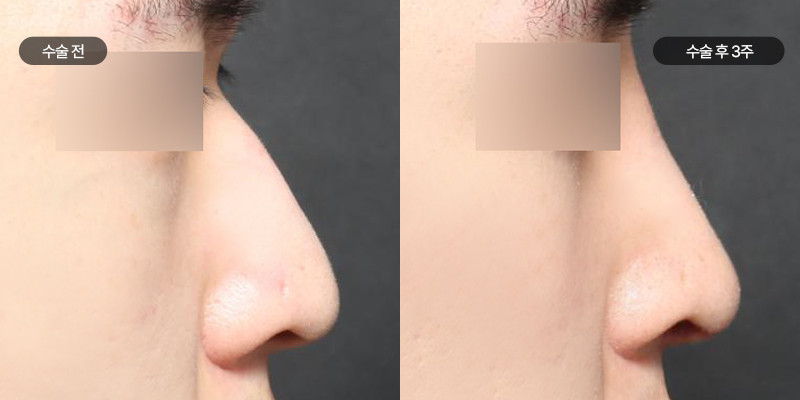
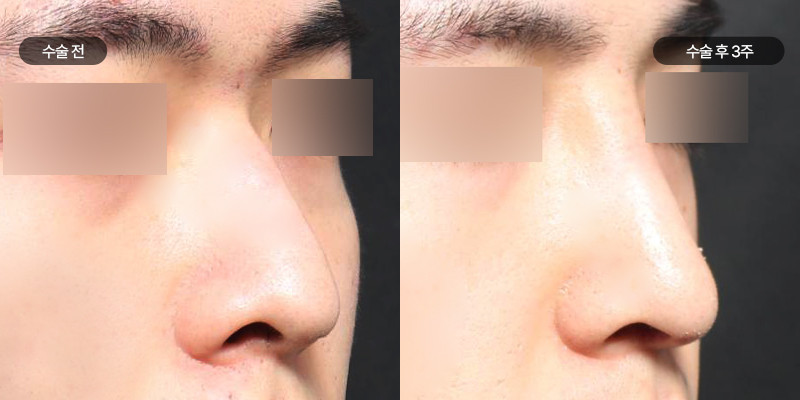
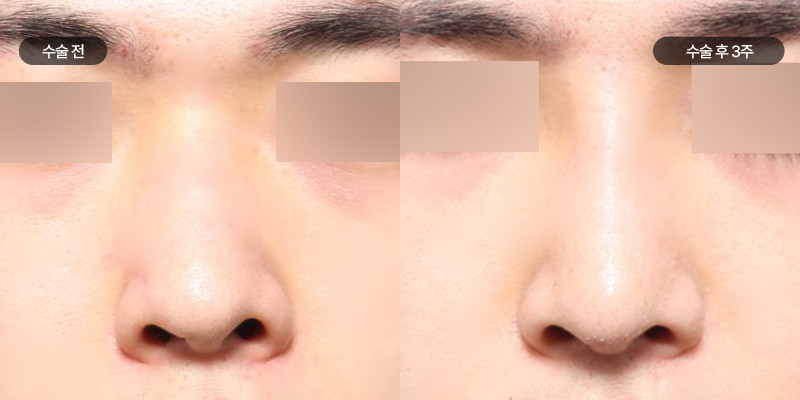
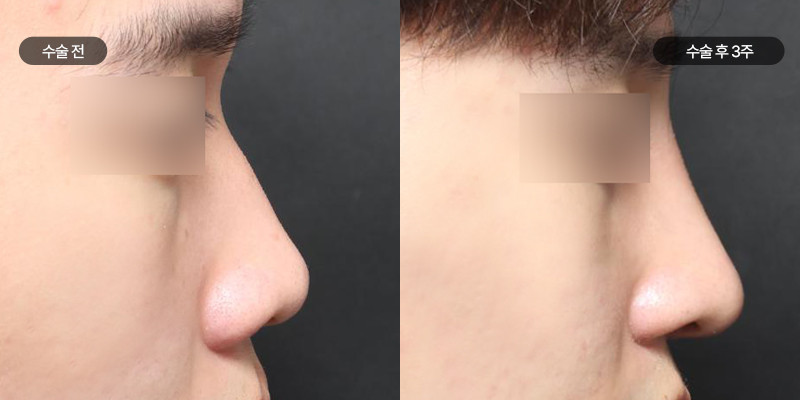
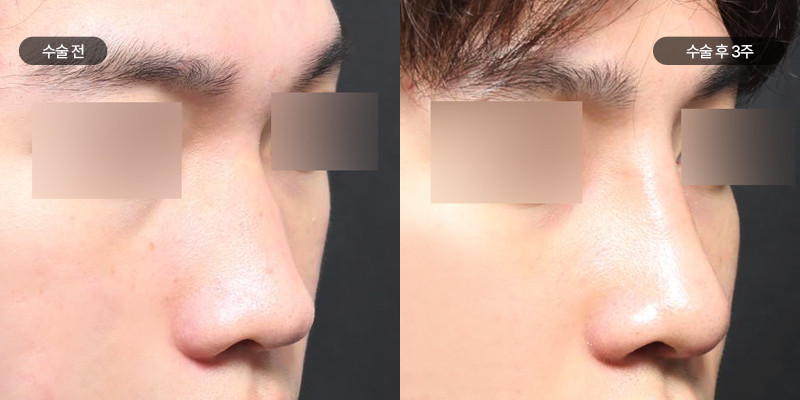
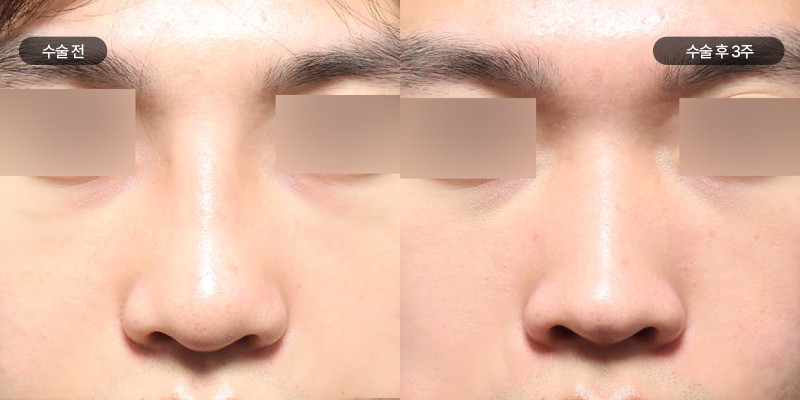
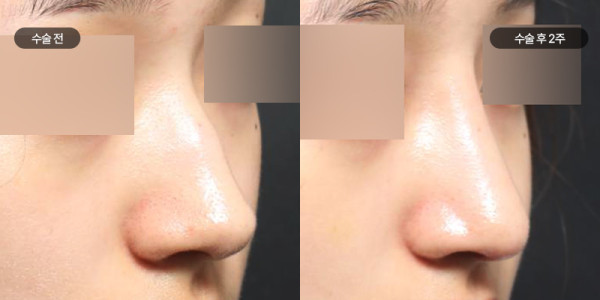
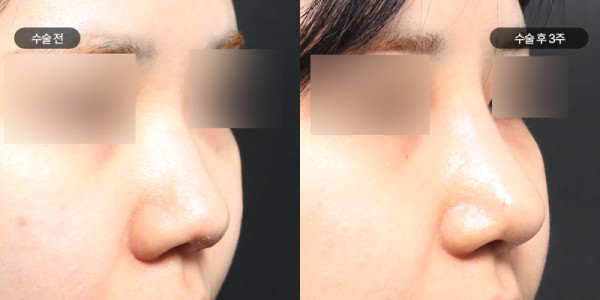
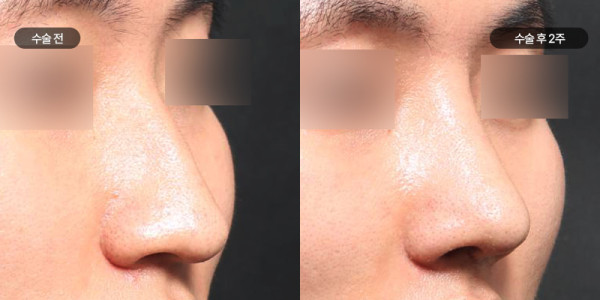
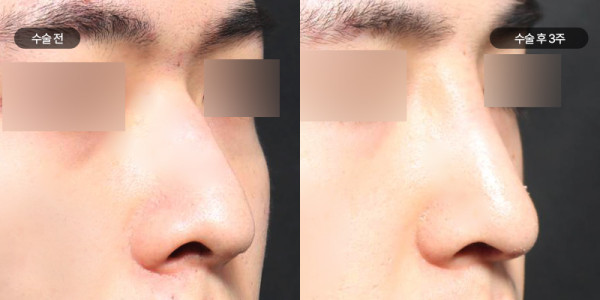
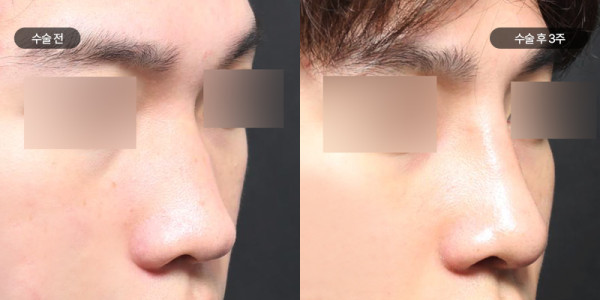
BAROKO results — before & after




What Makes Baroko Rhinoplasty Special
Baroko takes exceptional pride in rhinoplasty.
01
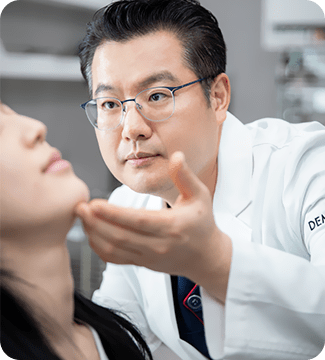
Precise Pre-operative Assessment
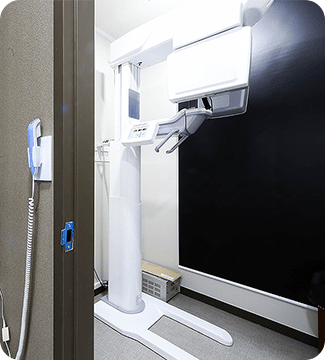
Pre-operative precision imaging is performed using university-hospital-grade 3D-CT.
02
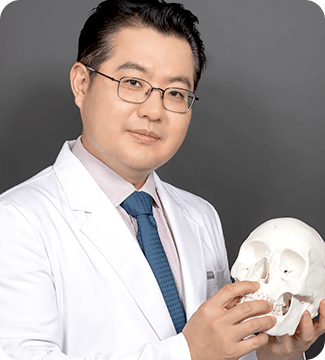
Systematic Analysis & One-on-One Consultation
After 3D-CT imaging, internal nasal dimensions and conditions are
systematically analyzed and a thorough consultation is conducted.
03
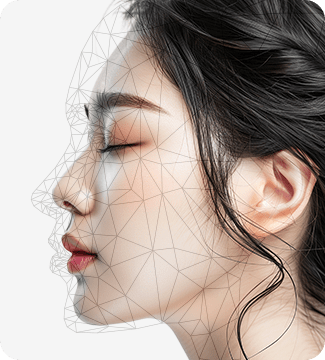
Specialist ENT Surgeon
An ENT specialist exclusively focused on the nose,
combining functional expertise with an aesthetic sense.
04
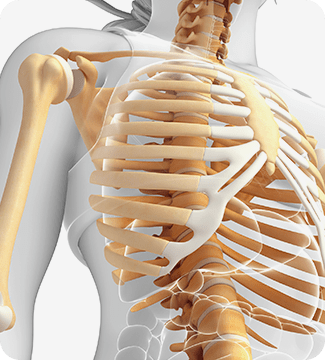
Virtual Surgery Simulation System
Pre-operative virtual simulation is used to accurately visualize
the expected result.
05
No Artificial Materials
By using autologous cartilage instead of synthetic materials or donor cartilage,
the risk of inflammation is minimized.
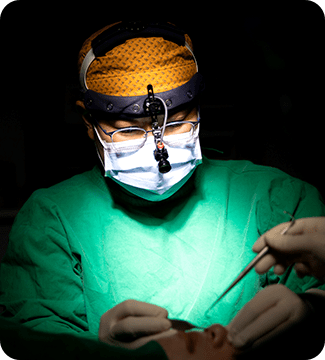
06
Director with 20+ Years of Experience
A wealth of clinical experience focused exclusively on the nose,
creating harmonious contours that complement each face.
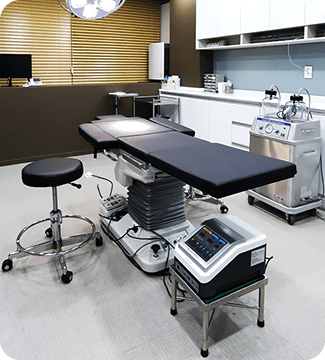
07
Commitment to Safe Surgery
A large sterile operating room prevents infection,
and ultrasound guidance ensures safe anesthesia.

08
Proprietary Core Expertise
Baroko holds differentiated expertise in
face-profile rhinoplasty.
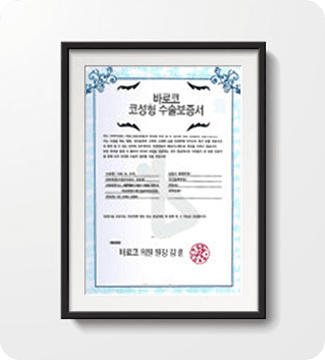
09
Surgery Warranty Certificate Issued
As a mark of Baroko's pride in rhinoplasty, a surgery warranty certificate is issued after every procedure,
ensuring thorough
post-operative care.
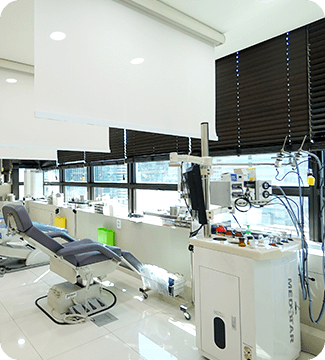
10
Systematic Aftercare
Baroko's unique and systematic aftercare program
takes full responsibility for recovery from bruising, scarring, and swelling.

11
Detailed Progress Monitoring
Before-and-after comparisons are carefully reviewed at each follow-up,
and progress is monitored in detail,
resulting in high patient satisfaction.
Frequently Asked Questions about the Cartilage-Particle Nose Injection
Autologous cartilage is harvested and processed into fine particles, coagulated with fibrin from the patient's own blood, loaded into a syringe, and injected into the nose like a filler — a closed, incision-free technique that is simple and fast. Baroko Clinic has filed a trademark application for the cartilage-particle processing and injection method (Application No. 10-2024-0085896).
Baroko highlights two key differences: nose filler carries a risk of vascular complications, whereas the cartilage-particle injection uses autologous tissue and causes virtually no rejection reaction. Additionally, unlike repeat-injection fillers, the autologous tissue integrates and maintains the result.
Surgery is performed within 1 hour under sedation anesthesia, with same-day discharge. Suture removal is within approximately 10 days (varies by material), approximately 2 follow-up visits, splint removal within 2–3 days, and daily activities are possible immediately after surgery. Individual variation applies.