


Revision Rhinoplasty for Inflammation
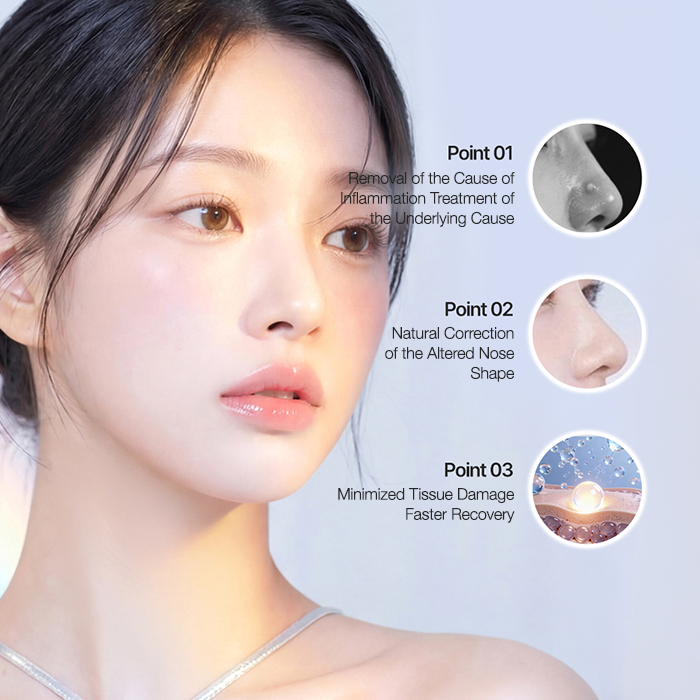
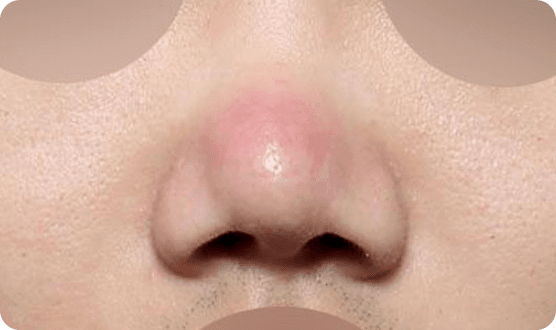
When the nose becomes swollen, red, or painful due to inflammation,
and the shape is distorted, the implant causing the inflammation is removed and rhinoplasty revision surgery is performed.
Procedure at a Glance

Surgery Time
2–3 hours

Suture Removal
6–7 days post-op

Anesthesia
IV sedation

Follow-up Visits
3–4 sessions

Hospitalization
Same-day discharge

Recovery
7 days
Who It’s For

Inflammation occurred after rhinoplasty
Redness of the nose
Swelling and heat felt in the nose
Pain or pressure in the nose
Unusual odor from inside the nose
YOUTUBE




BAROKO
NOSE CLINIC

What Causes Inflammation After Rhinoplasty?
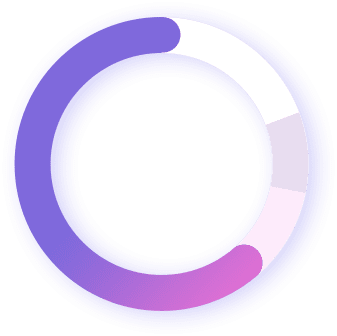
60%
Inflammation caused by implant

Inflammation caused by implant
60%

Other implant complications
(warping, show-through, exposure)
20%

Other (height improvement, etc.)
10%

Shape dissatisfaction
10%
*Based on a survey of rhinoplasty revision patients at our clinic in 2023.
Timing of Revision Rhinoplasty
Through stem cell therapy, Baroko can perform implant removal
and rapid rhinoplasty revision within one month of inflammation onset.
Baroko Stem-Cell Revision Rhinoplasty
Implant Removal
Treatment (1–2 months)
Nasal Reconstruction
Recovery (1 week)
Implant Removal
Treatment (1–2 months)
Minimum total: 1 month
Conventional Revision Rhinoplasty
Implant Removal
Wait for natural healing (6 months–1 year)
Revision Rhinoplasty
Recovery (1 month)
Implant Removal
Wait for natural healing (6 months–1 year)
Minimum total: 7 months
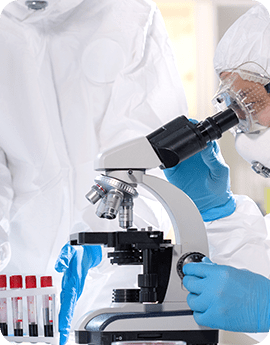
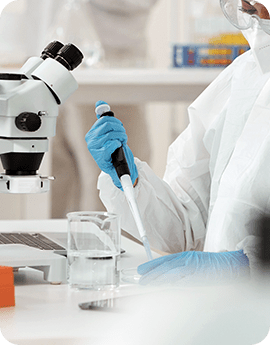
The Baroko One-Step Sterile Stem-Cell Regeneration Process —
safely carried out under our in-clinic sterile system
Baroko's stem cell system is equipped with technology to safely and rapidly extract stem cells from the body.
Using a sterile closed system, only healthy, uncontaminated cells are collected,
resulting in a higher engraftment rate.

Baroko's Solution to Minimizing Inflammation Risk — "Yeonipko"
For patients who desire a more natural nasal contour post-surgery, "Yeonipko" uses only autologous cartilage particles
to smoothly connect the bridge and tip. Using 100% autologous cartilage,
the risk of post-operative inflammation is less than 1%, making it extremely safe.
Revision Rhinoplasty for Inflammation —
Resolved with Stem Cell Therapy + Cartilage-Particle Rhinoplasty!
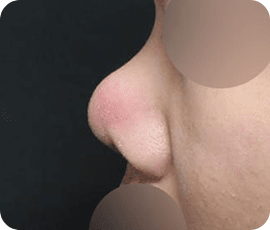
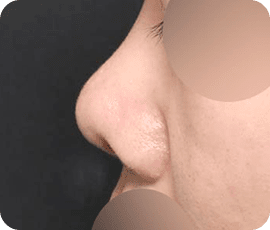
Benefits of Cartilage-Particle Rhinoplasty
Inflammation Risk Below 1%
The risk of post-operative inflammation can be
reduced to less than 1%.

Prevents Removal and Shape Deformity
Severe inflammation and shape deformity
can be effectively prevented.

Impact Absorption Against Trauma
While the nose is vulnerable to movement and trauma,
autologous cartilage provides natural shock absorption.

No Warping Over Time
Unlike whole-piece cartilage grafts, cartilage particles do not warp over time.

Surgical Method
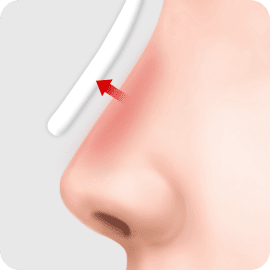
STEP 01
The synthetic implant causing the inflammation is removed
and a revision surgery plan is established.
STEP 02
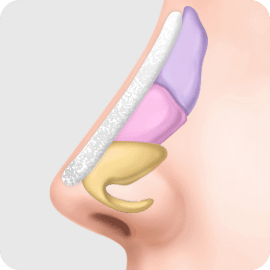
After implant removal, stem cell therapy
is performed as needed.
STEP 03
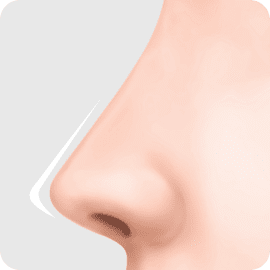
After eliminating the inflammation, particulated autologous cartilage
is inserted into the nose to create
the desired shape.
STEP 04
Using only autologous cartilage, inflammation is almost non-existent,
occurring in less than 1% of cases.
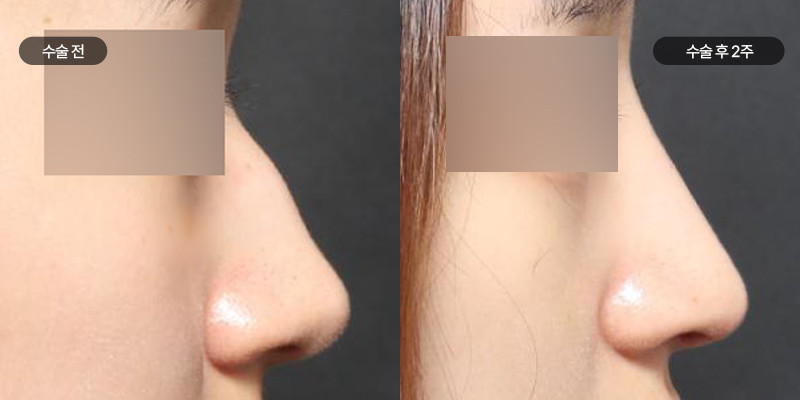
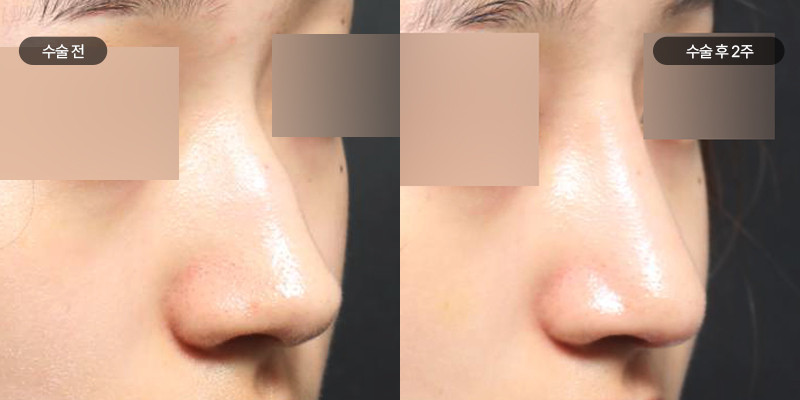
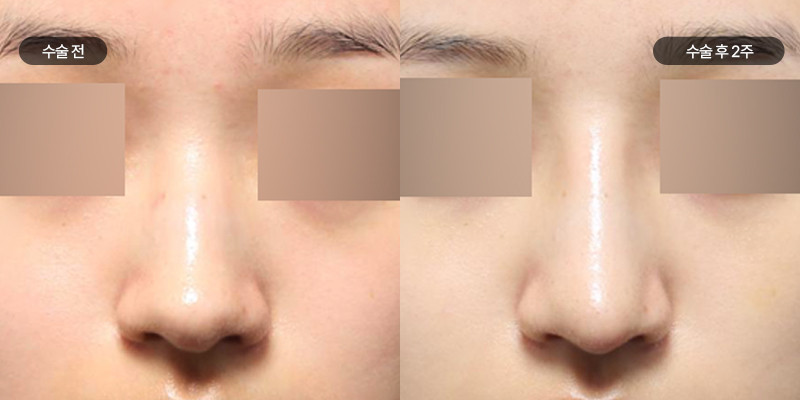
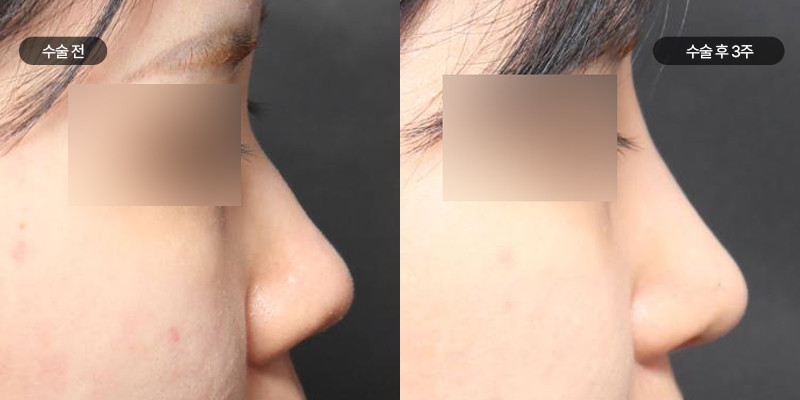
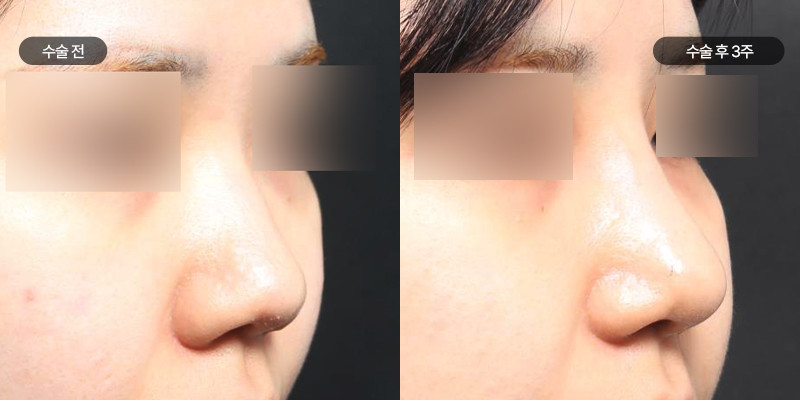
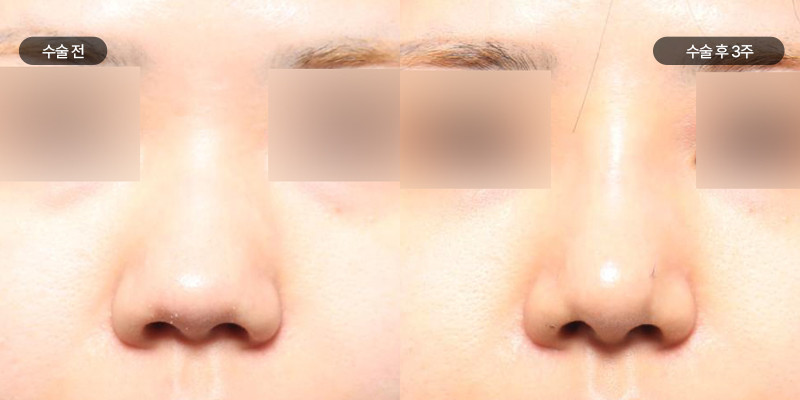
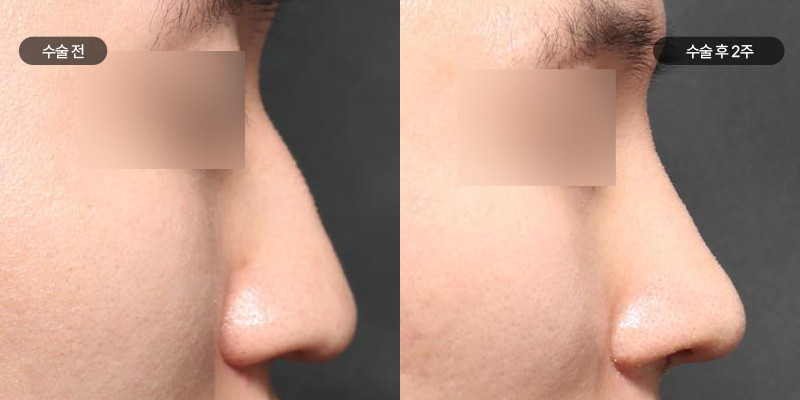
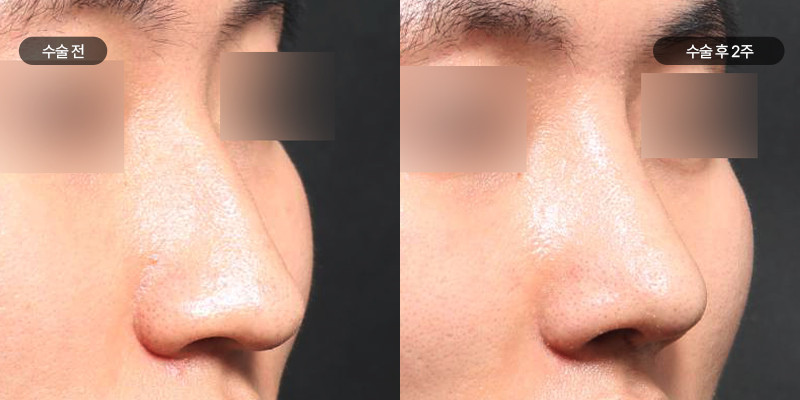
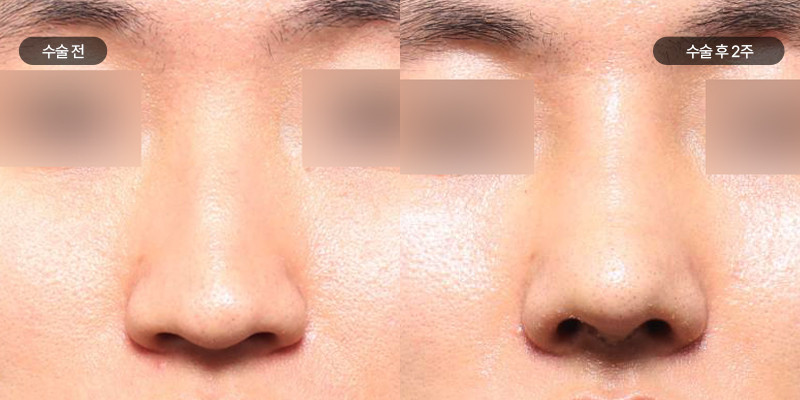
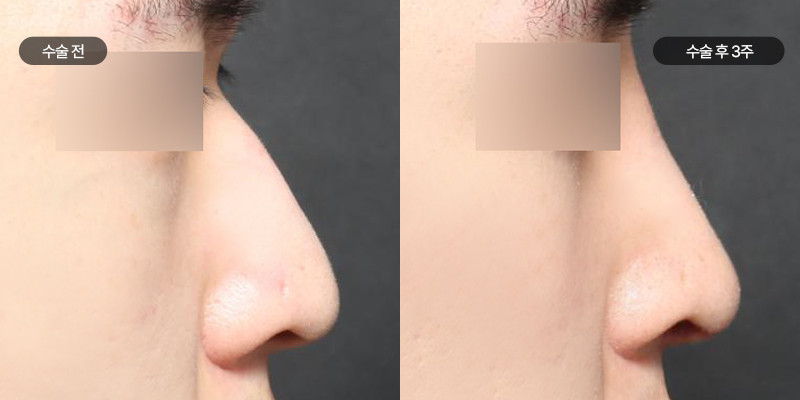
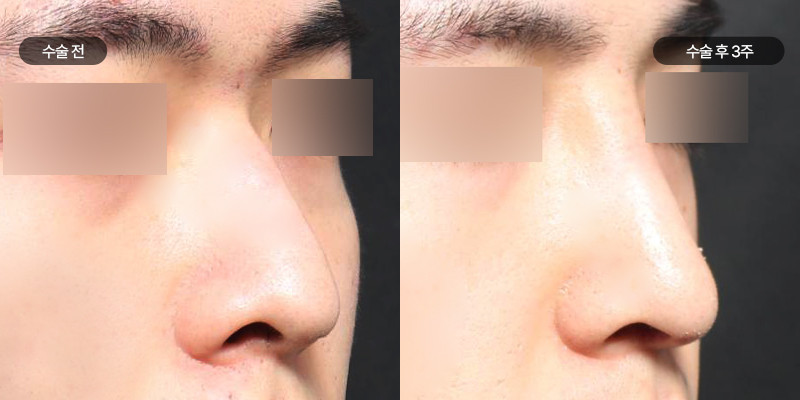
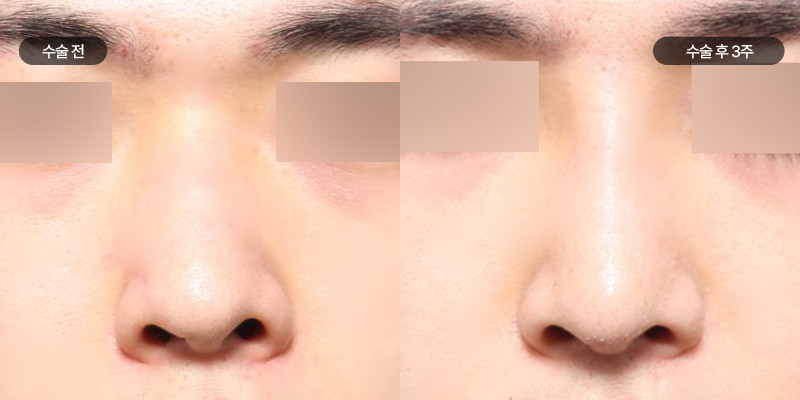
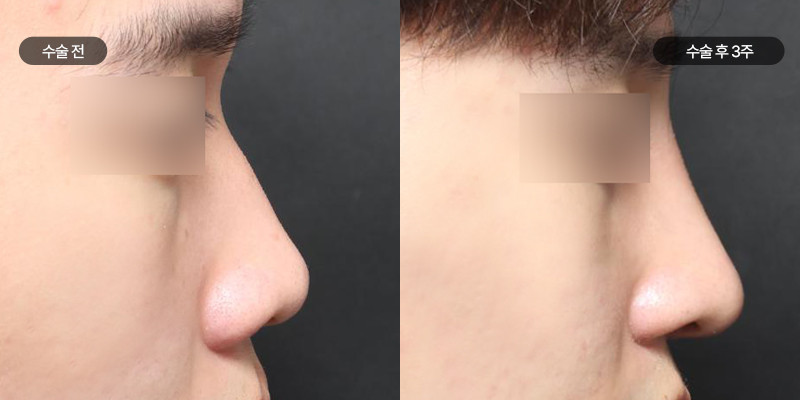
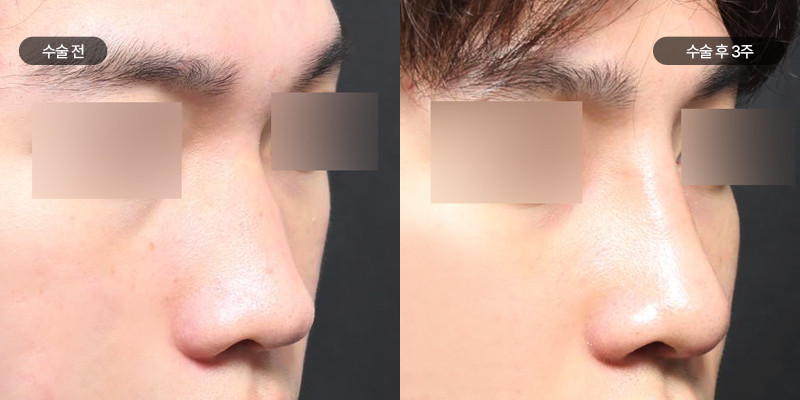
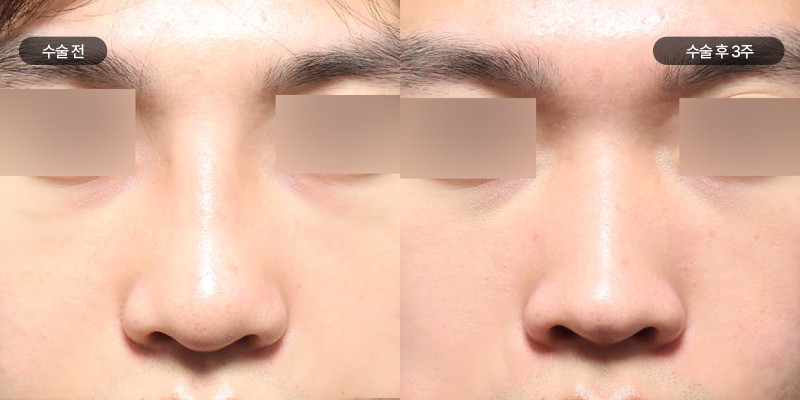
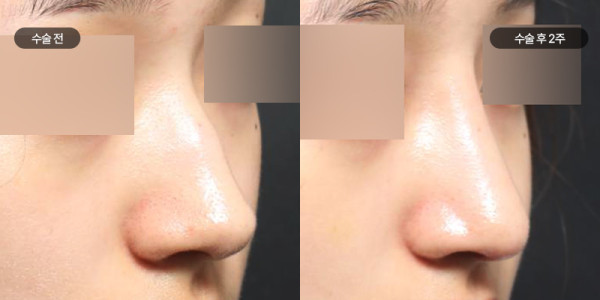
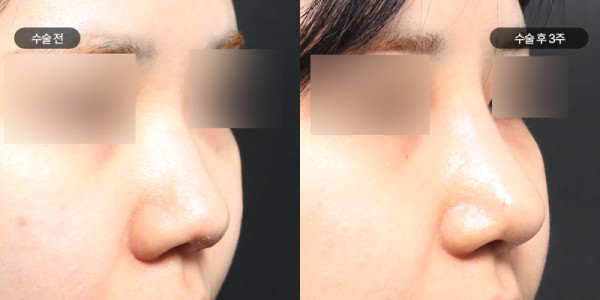
BAROKO results — before & after


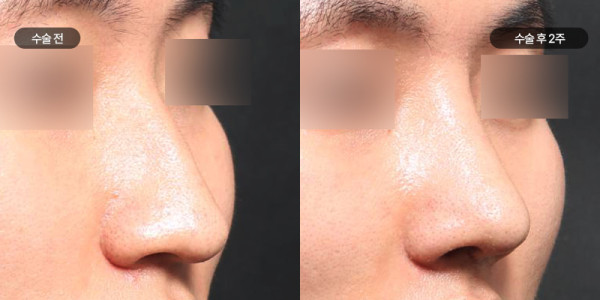
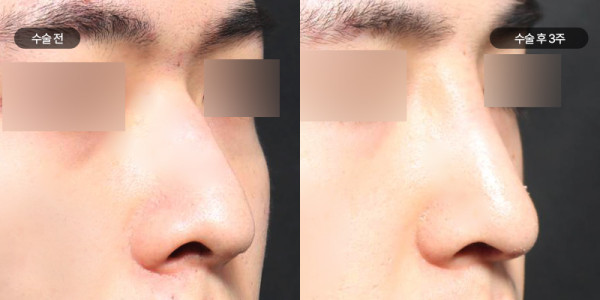
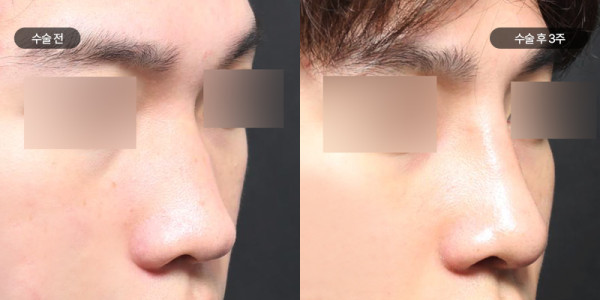


What Makes Baroko Rhinoplasty Special
Baroko takes exceptional pride in rhinoplasty.
01
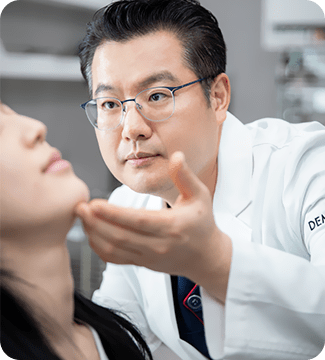
Precise Pre-Surgical Evaluation
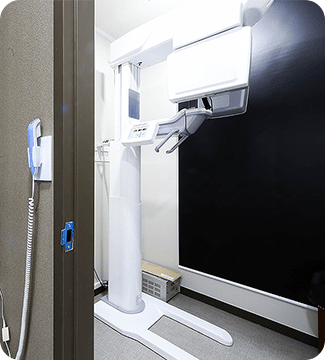
We conduct detailed pre-operative evaluations using 3D-CT technology
equivalent to university hospital standards.
02
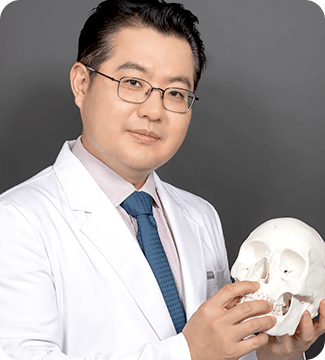
Systematic Analysis and 1:1 Personalized Consultation
After 3D-CT imaging, we conduct a thorough analysis of nasal anatomy
and conditions, followed by a comprehensive consultation.
03
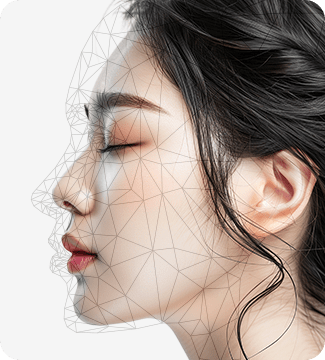
Rhinoplasty-Specialist ENT Surgeon
Our ENT surgeon specializes in the nose, combining functional expertise
with an aesthetic sensibility.
04
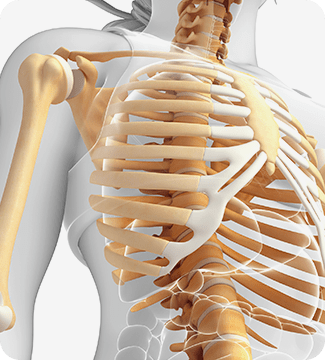
Virtual Surgery Simulation System
Virtual surgery simulation before the procedure allows us to accurately
anticipate and deliver the expected outcome.
05
No Synthetic Materials
We use only autologous cartilage — no synthetic implants or donor cartilage —
to minimize the risk of inflammation.
06
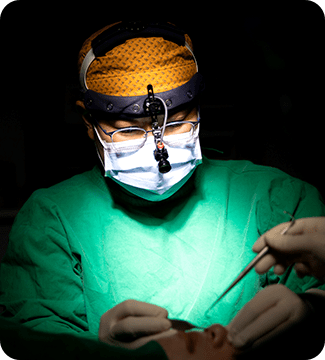
Surgery Performed by the Director with Over 20 Years of Experience
With extensive clinical experience focused exclusively on the nose,
our director creates harmonious contours tailored to each patient's face.
07
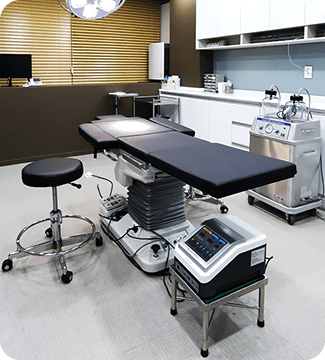
Commitment to Surgical Safety
Our large sterile operating rooms prevent infection, and ultrasound-guided
monitoring ensures safe anesthesia administration.

08
Proprietary Core Expertise
Baroko holds differentiated expertise in
face-contouring rhinoplasty.
09
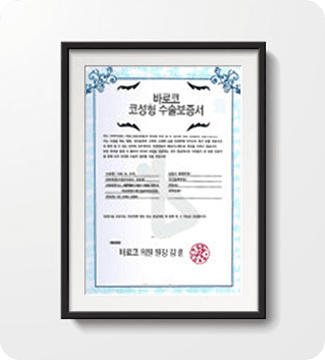
Surgery Warranty Certificate Issued
As a mark of our confidence in rhinoplasty, Baroko issues a surgery warranty
certificate and provides thorough post-operative care.
10
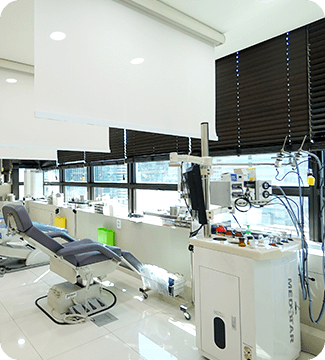
Systematic Post-Operative Care
Baroko's exclusive, systematic aftercare program responsibly manages
your full recovery — including bruising, scarring, and swelling.
11
Meticulous Progress Monitoring
We meticulously compare before-and-after results at every follow-up visit,
ensuring a high level of patient satisfaction.
Frequently Asked Questions About Revision Rhinoplasty for Inflammation
Based on a survey of rhinoplasty revision patients at Baroko in 2023, approximately 60% of revisions were due to implant-related inflammation, 20% from other implant complications (warping, show-through, exposure), 10% for height improvement, and 10% from shape dissatisfaction.
Generally, patients wait 6 months to 1 year after implant removal for natural healing; however, Baroko can perform revision surgery within 1 month of inflammation onset through stem cell therapy. Timing depends on the individual's condition.
The synthetic implant causing the inflammation is removed, and stem cell therapy is performed as needed. Particulated autologous cartilage is then inserted to define the shape. Using 100% autologous cartilage keeps inflammation risk below 1%. Surgery takes approximately 2–3 hours under IV sedation with same-day discharge (individual results may vary).