



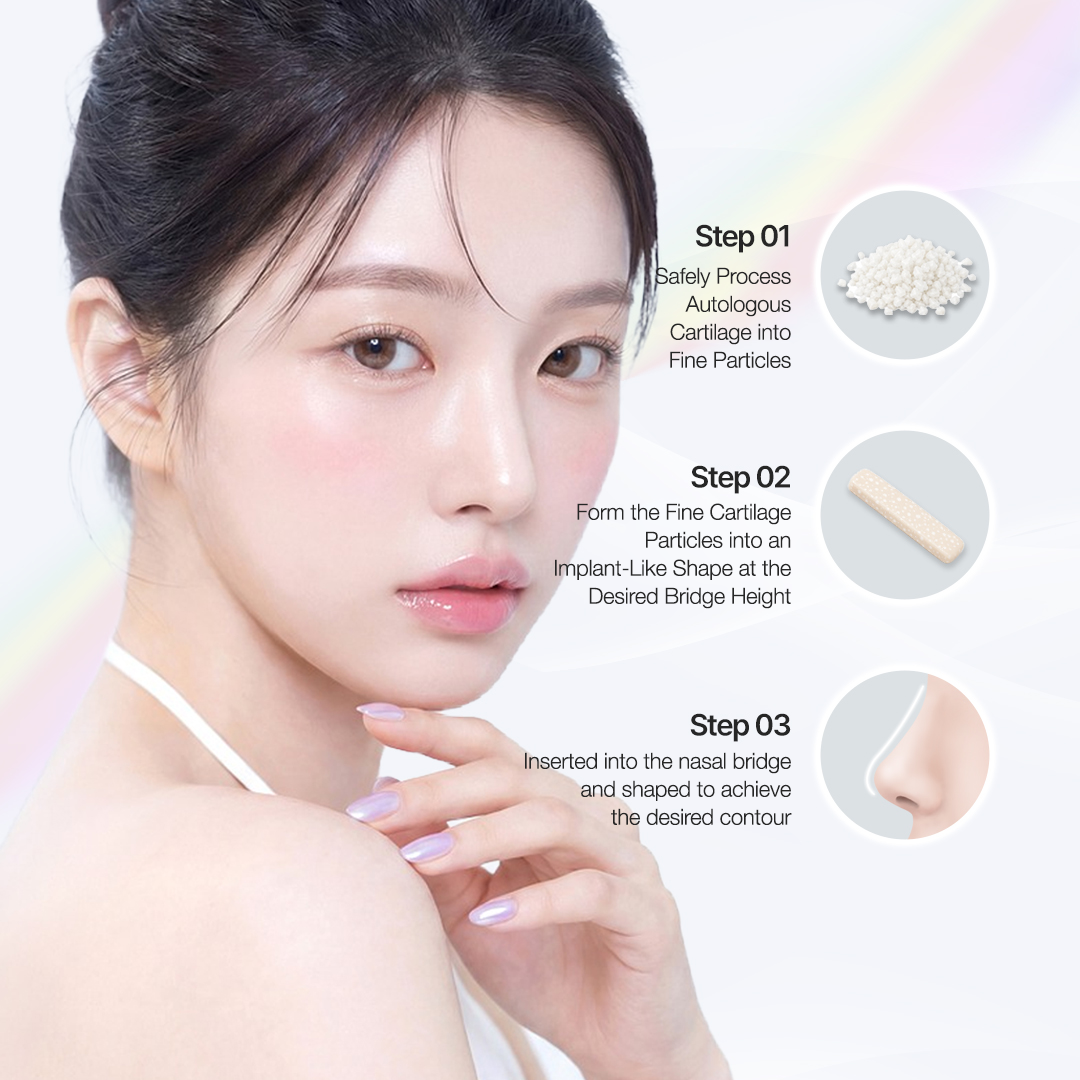
Cartilage-Particle Rhinoplasty (Open)
Finely ground autologous cartilage corrects the dorsum + tip
Baroko implant-free rhinoplasty using 100% autologous cartilage
Procedure at a Glance

Surgery Time
2–3 hours

Suture Removal
After 6–7 days

Anesthesia
Local / IV sedation anesthesia

Follow-up Visits
4 sessions

Hospitalization
Same-day discharge

Recovery
Daily activities possible after surgery
Who It’s For

Concerned about side effects from an artificial implant
Have an aversion to artificial implants
Need revision surgery due to side effects such as inflammation
Desiring a natural yet refined rhinoplasty result
YOUTUBE
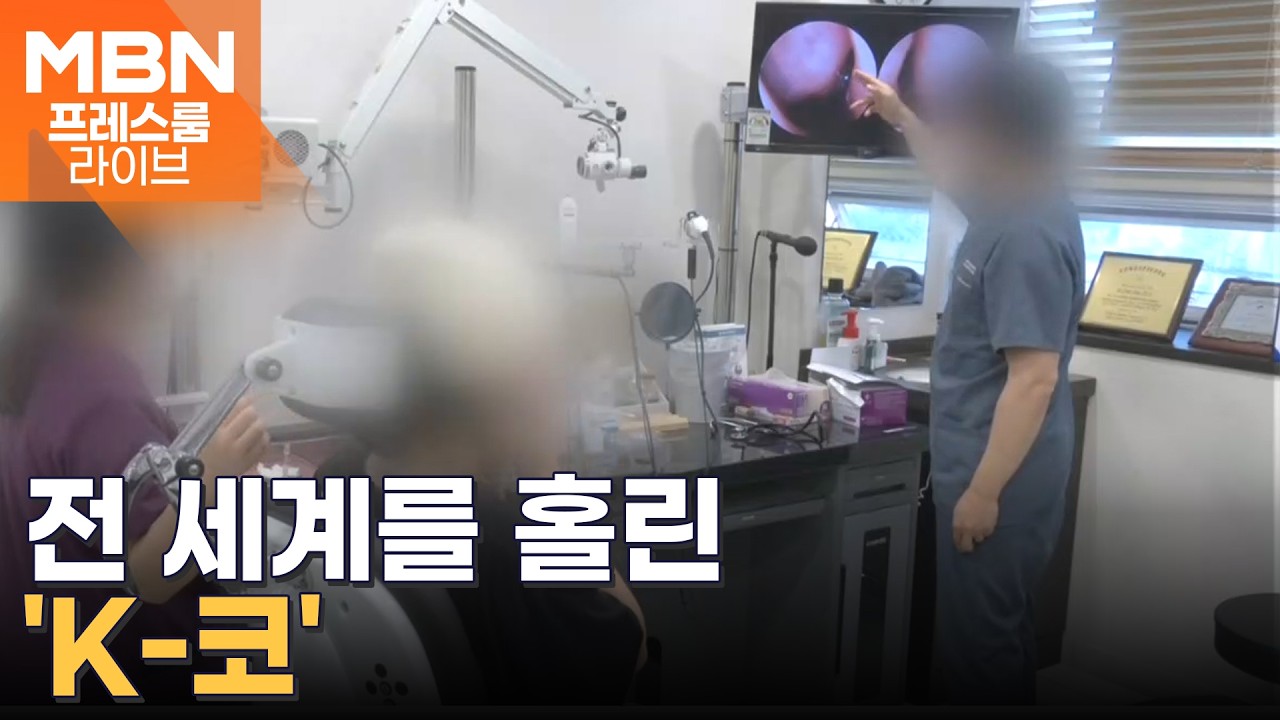




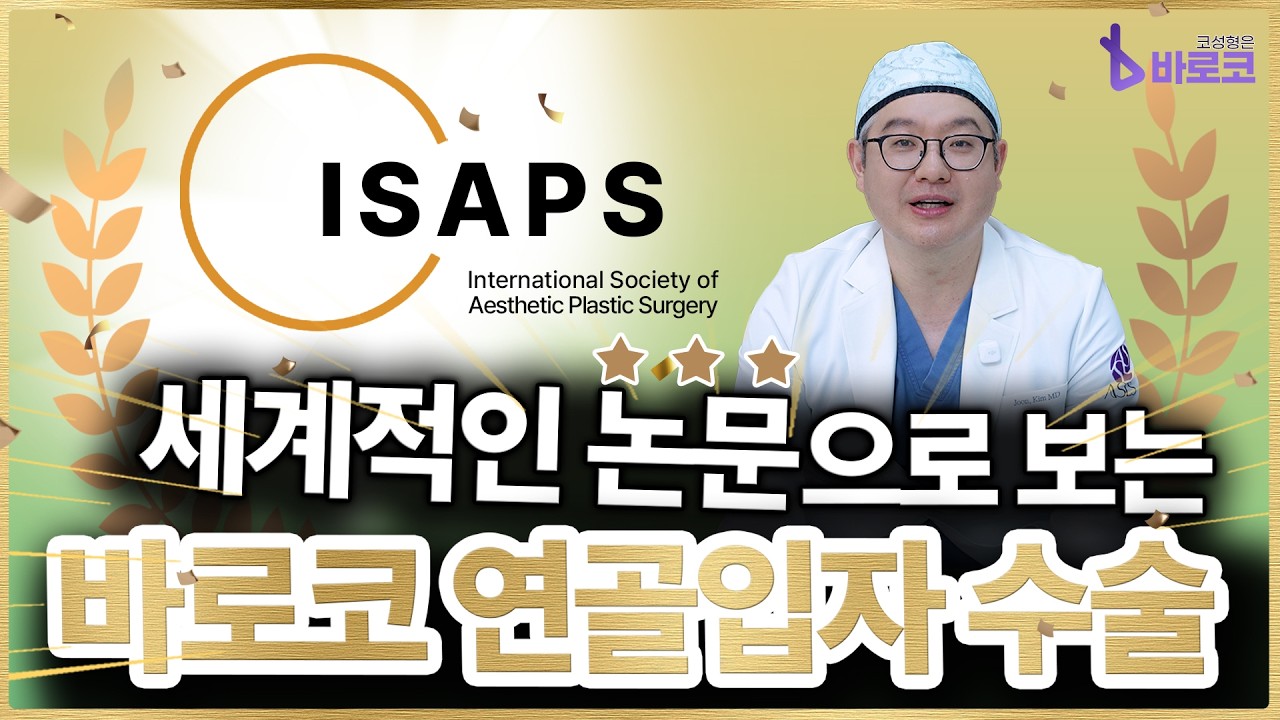
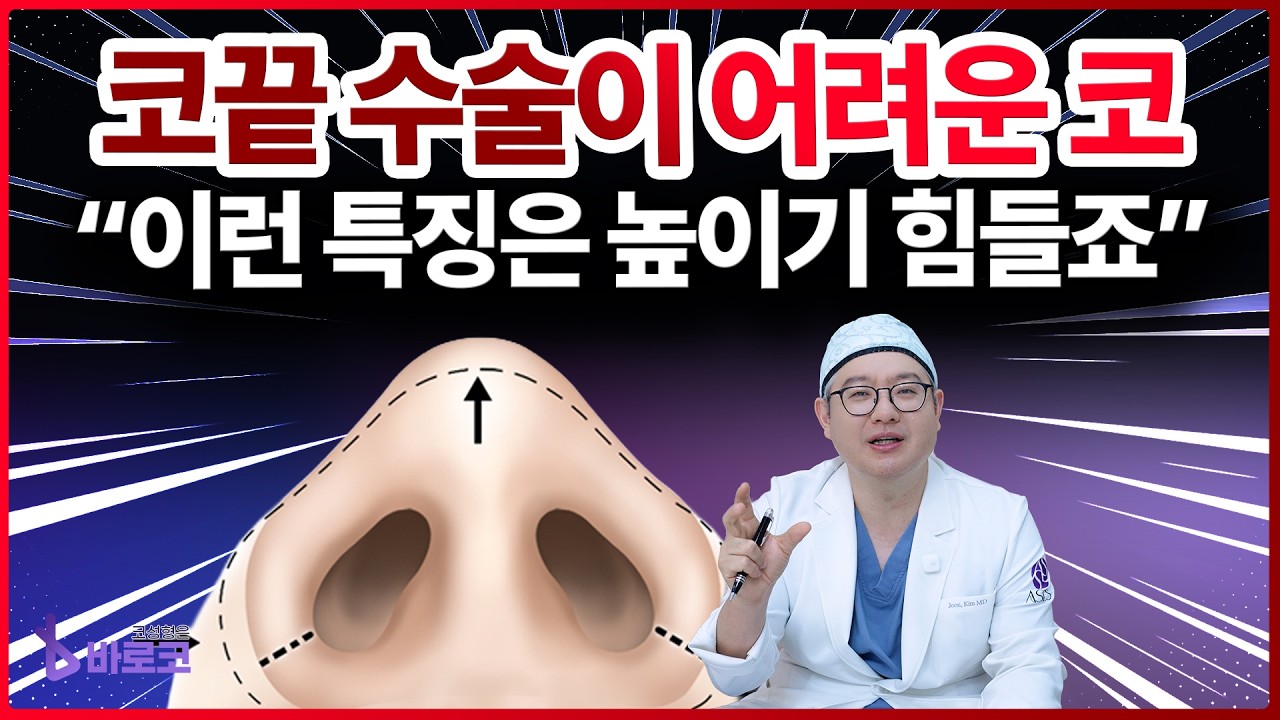



BAROKO
NOSE CLINIC


What is Cartilage-Particle Rhinoplasty?
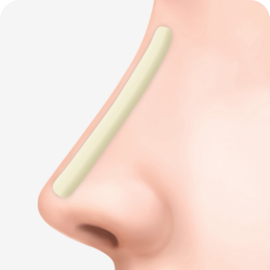
Baroko cartilage-particle rhinoplasty involves harvesting autologous cartilage, finely mincing it, coagulating it together with autologous blood,
shaping it into a silicone-like form, and then inserting it into the nose.
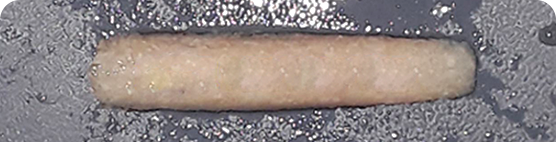
Baroko Cartilage-Particle Silicone
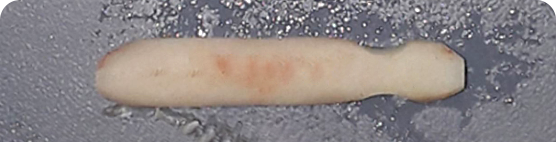
Conventional Plastic Silicone
Cartilage Particles — Compensating for the Drawbacks of Conventional Implants
Conventional Silicone Rhinoplasty
Risk of inflammation
Contracture possible due to inflammation
Risk of tip deformation
Baroko Autologous Cartilage Micro-Particulation
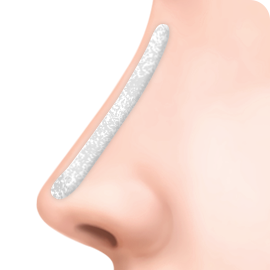
Low risk of inflammation
No warping of cartilage
Long-lasting without tip deformation
Limitations of Conventional Implant-Free Rhinoplasty for the Dorsum
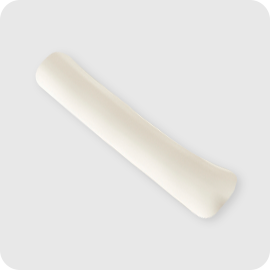
When whole autologous cartilage is used
Warping over time makes it difficult
to maintain dorsal shape
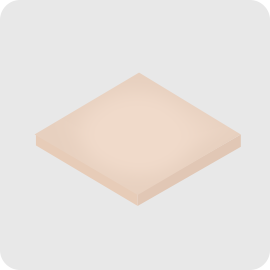
When dermis is used
High absorption rate means there is a high probability of dorsal collapse
Material
Absorption
Warping
Dermis
20%–80%
None
Autologous cartilage
< 1%
Yes
Cartilage particles
< 1%
None
Advantages of Cartilage-Particle Rhinoplasty
Inflammation Risk Below 1%
The risk of post-operative inflammation
can be kept below 1%.

Prevents Removal and Shape Deformation
Severe inflammation and shape deformation
can be prevented.

Shock Absorption for Trauma
Although vulnerable to heavy movement and trauma,
the autologous cartilage absorbs impact.

No Warping
Unlike whole cartilage use, no warping occurs over time.

Surgical Procedure
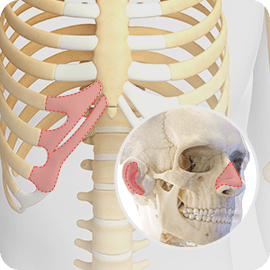
STEP 01
Through a 1:1 consultation with the head surgeon,
the most suitable cartilage — septal, auricular,
or costal — is harvested based on the patient's condition.
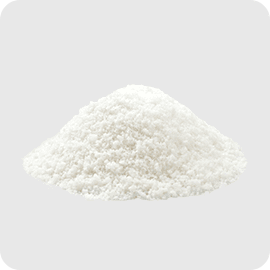
STEP 02
The harvested autologous cartilage is finely minced
into micro-particle size,
converting it into particulate cartilage.
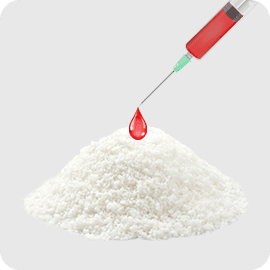
STEP 03
The micro-particulate autologous cartilage is
solidified with autologous blood components
and processed accordingly.
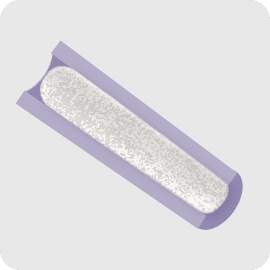
STEP 04
A custom silicone mold is fabricated, then
the cartilage particles are packed into the mold
to create the desired shape.
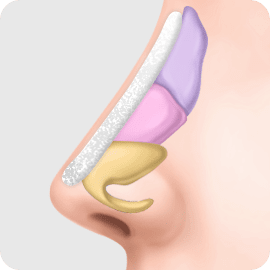
STEP 05
The particulate autologous cartilage is inserted
into the nose to design
the desired shape.
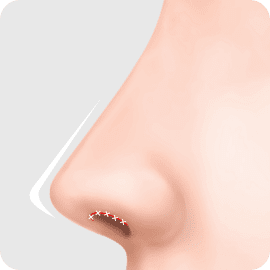
STEP 06
The skin is sutured and dressed,
completing the procedure.
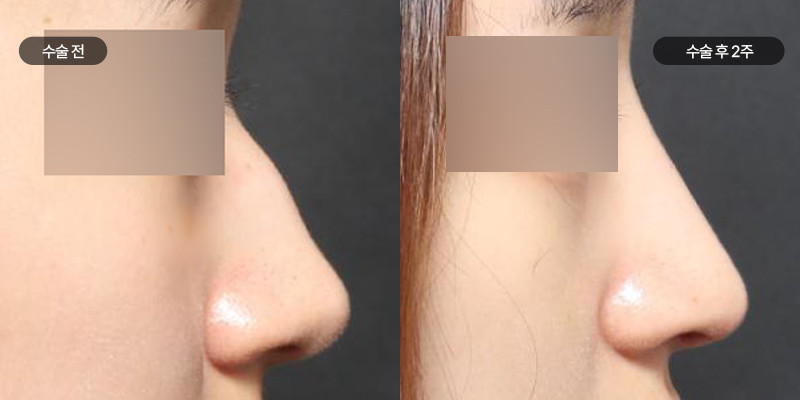
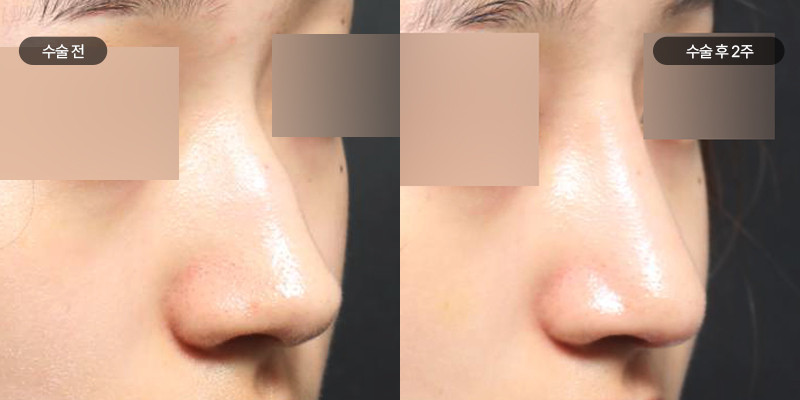
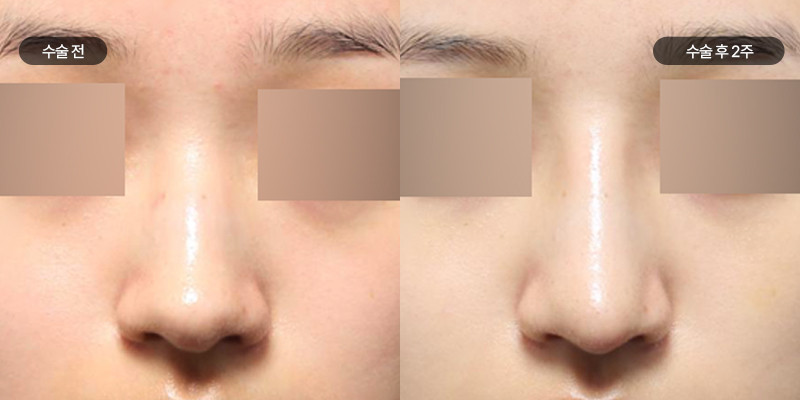
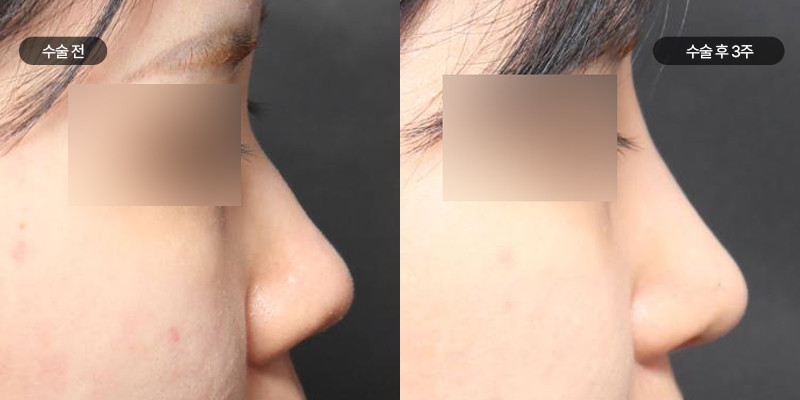
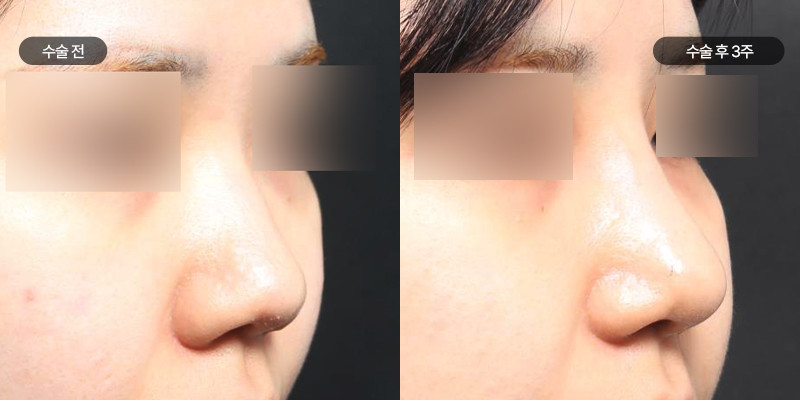
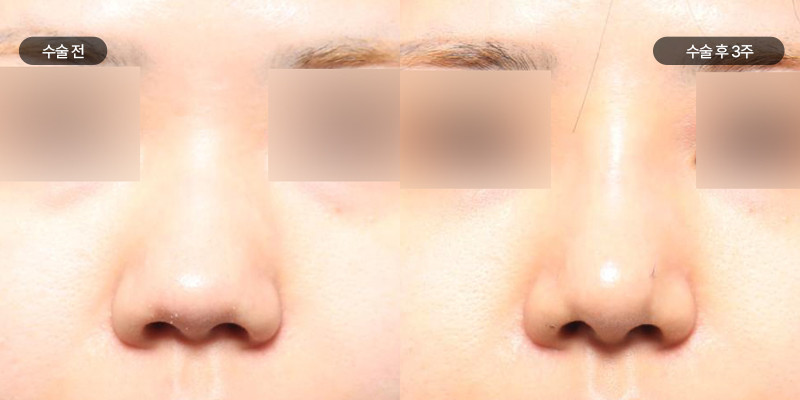
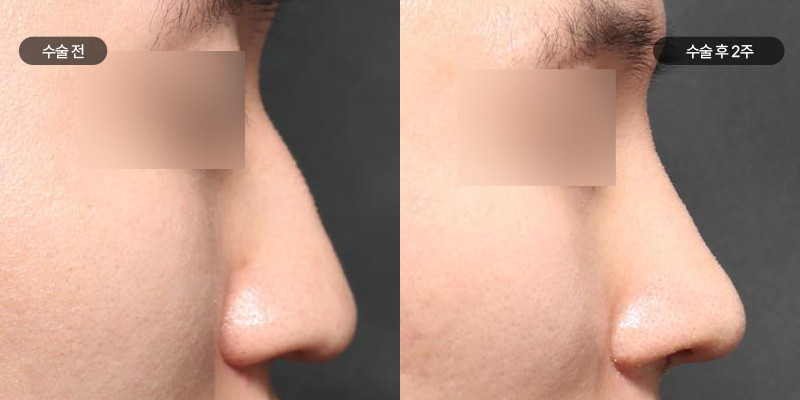
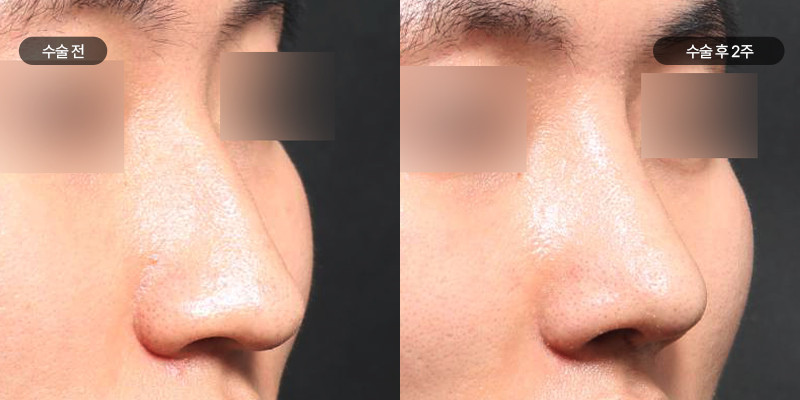
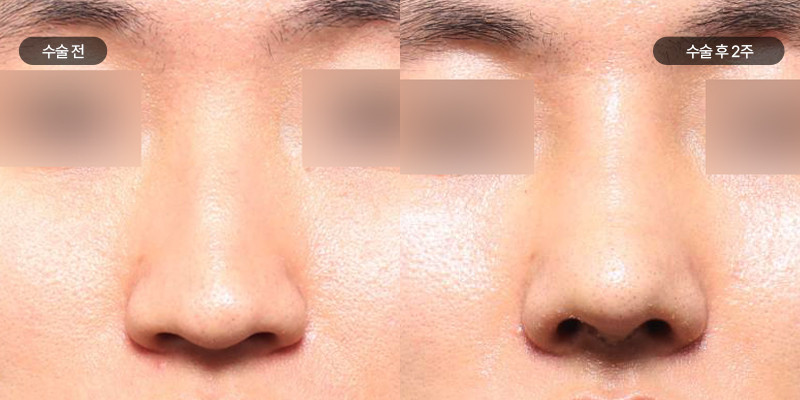
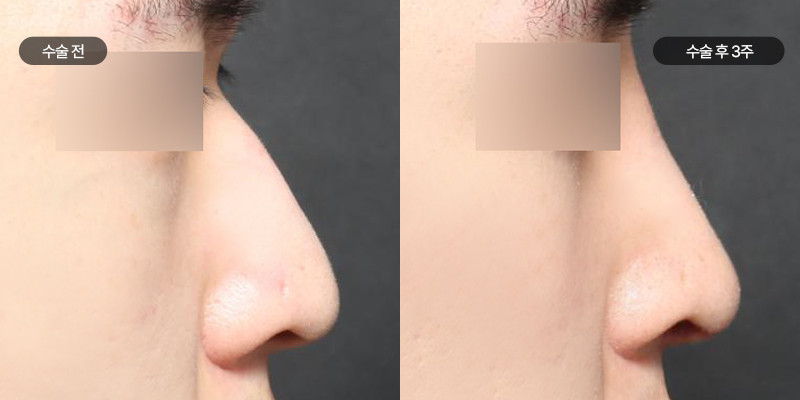
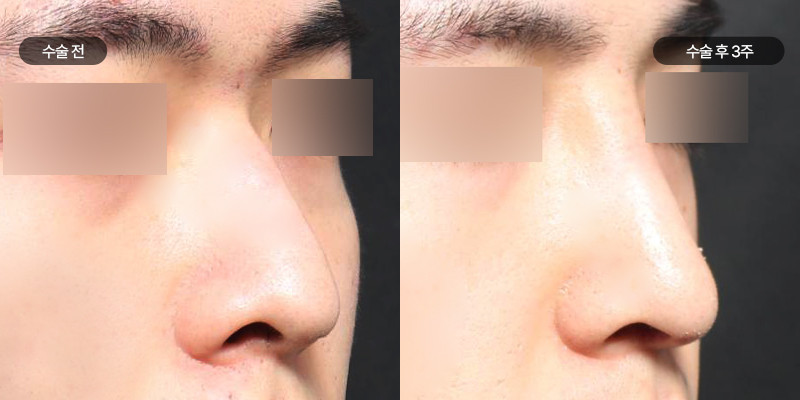
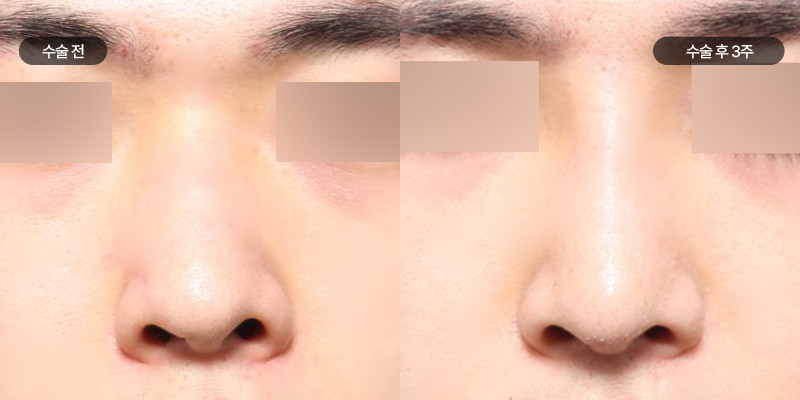
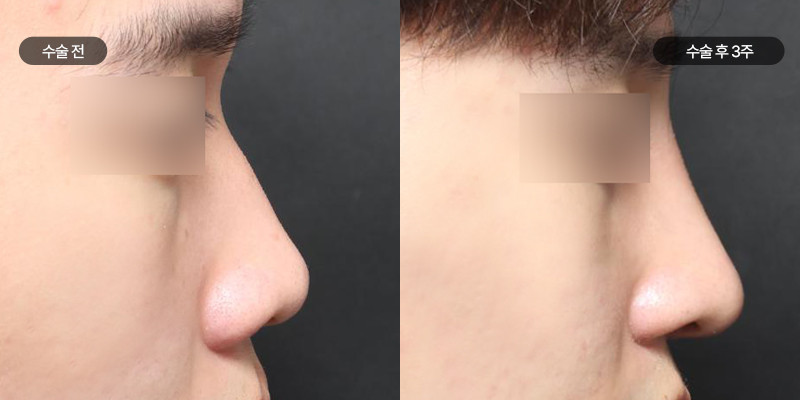
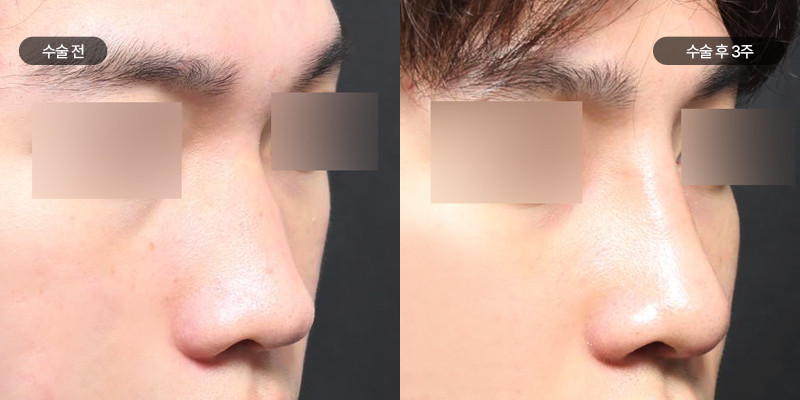
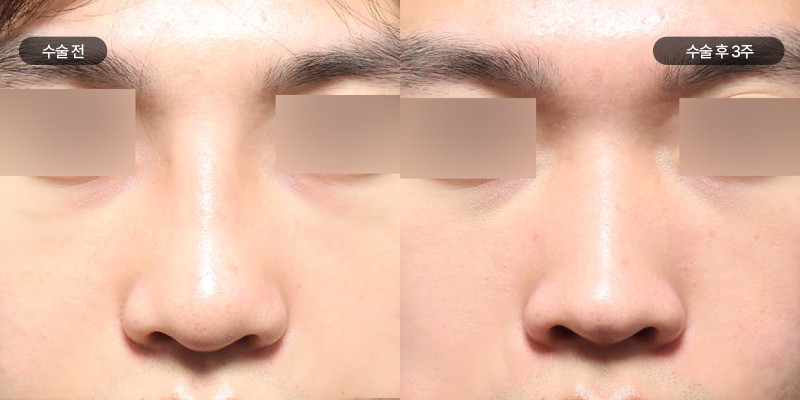
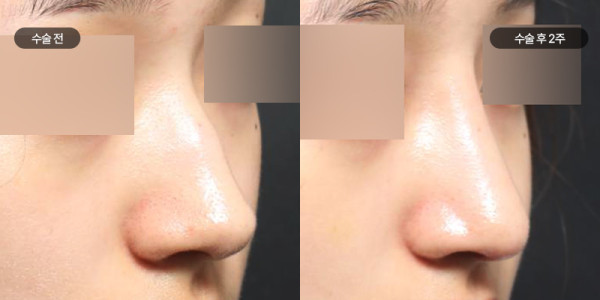
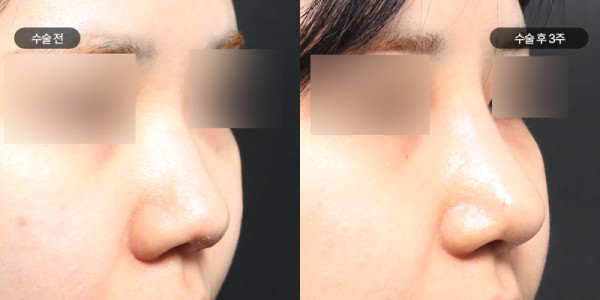
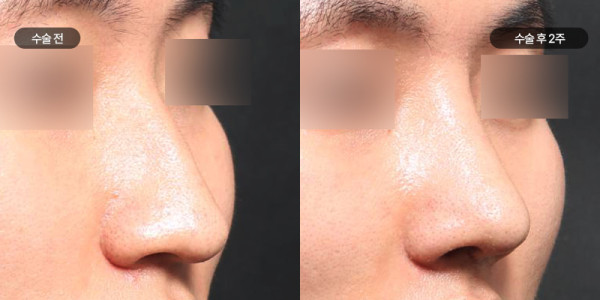
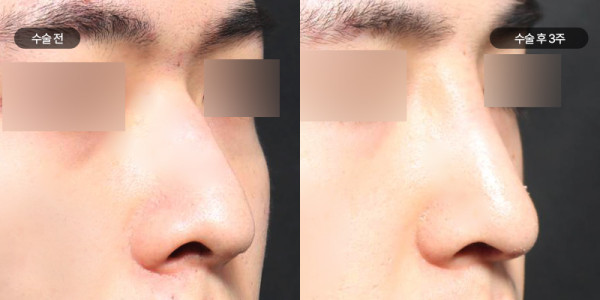
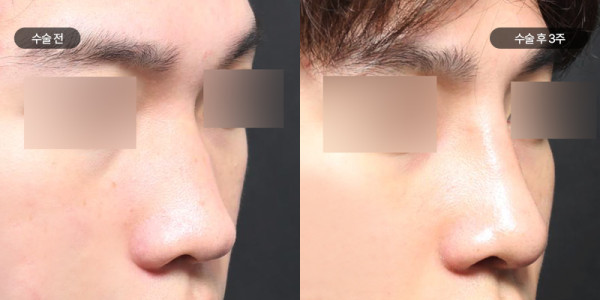
BAROKO results — before & after




What Makes Baroko Rhinoplasty Special
Baroko takes exceptional pride in rhinoplasty.
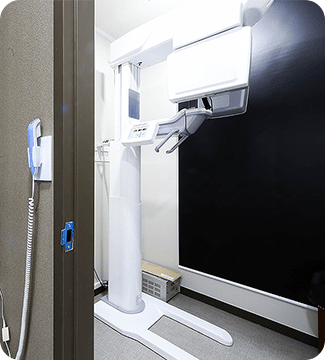
01
Precise Pre-operative Examination
A 3D-CT scanner — used in university hospital settings —
is employed for thorough pre-operative evaluation.
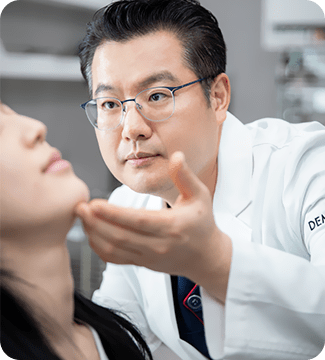
02
Systematic Analysis & 1:1 Personalised Consultation
After 3D-CT imaging, a comprehensive analysis of internal nasal size and conditions
is followed by an in-depth personalised consultation.
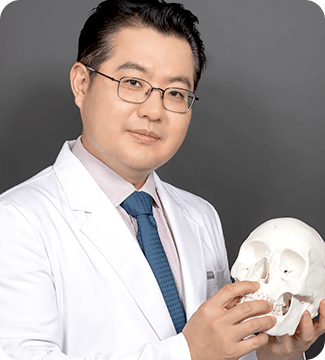
03
ENT Specialist Dedicated to the Nose
As an ENT specialist focused exclusively on the nose,
our surgeon combines functional expertise with aesthetic sensibility.
04
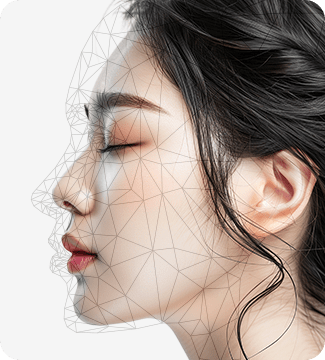
Virtual Simulation System
Pre-operative virtual simulation delivers
accurate, predictable results.
05
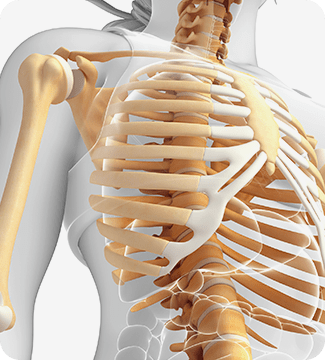
No Artificial Implants
Only autologous cartilage is used — no artificial materials or
donor cartilage — minimising the risk of inflammation.
06
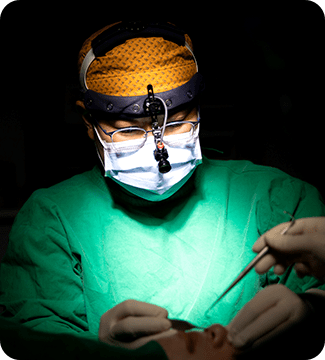
Surgery Performed by Head Surgeon with 20+ Years of Experience
Extensive clinical experience focused solely on the nose
creates harmonious contours tailored to each patient's face.
07
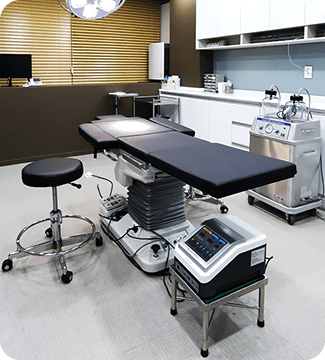
Safe Surgery Commitment
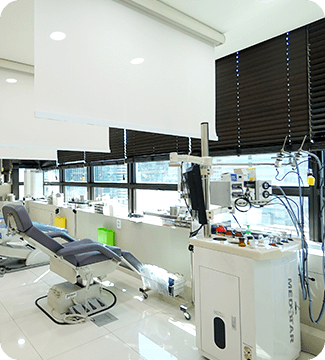
Infection is prevented through our large sterile operating theatre,
and safe anaesthesia is ensured with ultrasound guidance.

08
Proprietary Core Technology
Baroko holds differentiated technical expertise
in facial-contour rhinoplasty.
09
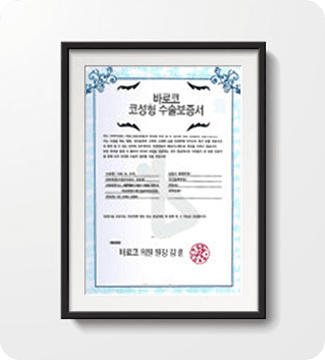
Surgery Warranty Issued
As a mark of Baroko's confidence in rhinoplasty,
a surgery warranty is issued post-operatively
to ensure thorough aftercare.
10
Systematic Aftercare
Baroko's distinctive and systematic aftercare programme
takes responsibility for recovery from bruising, scarring, swelling, and more.

11
Meticulous Progress Monitoring
Before-and-after comparisons are made carefully at each follow-up,
with detailed progress checks —
resulting in high patient satisfaction.
Frequently Asked Questions about Cartilage-Particle Rhinoplasty
Autologous cartilage is harvested, finely minced, coagulated together with autologous blood, shaped into a silicone-like form, and inserted into the nose. It is an implant-free rhinoplasty that uses 100% autologous cartilage to correct both the dorsum and the tip — with no artificial implant.
Using whole autologous cartilage can lead to warping over time, while dermis has a high absorption rate that may cause dorsal collapse. Cartilage particles use particulated autologous tissue, so Baroko reports an inflammation risk below 1% with virtually no absorption or warping.
Surgery takes approximately 2–3 hours under local or IV sedation anaesthesia, with same-day discharge. Sutures are removed after 6–7 days, with approximately 4 follow-up visits. Daily activities are possible after surgery. Swelling and recovery speed vary by individual.