



Nasal Foreign-Body Removal
Safe removal of materials that have caused adverse reactions
from nasal procedures such as nose fillers or nasal thread lifting (Misco, Hyco, etc.)
Procedure at a Glance

Surgery Time
Approx. 1–2 hours

Suture Removal
7 days

Anesthesia
Local / IV sedation anesthesia

Follow-up Visits
2–3 sessions

Hospitalization
Same-day discharge

Recovery
7 days
Who It’s For

Wishing to remove nose filler or nasal thread lifting
Inflammation caused by a nasal procedure
Uneven or bumpy nasal contour after a nasal procedure
Persistent foreign-body sensation after a nasal procedure
Skin thinning or redness / blanching of the skin
Nose filler or thread becoming visible or protruding through thinning skin
YOUTUBE








BAROKO
NOSE CLINIC
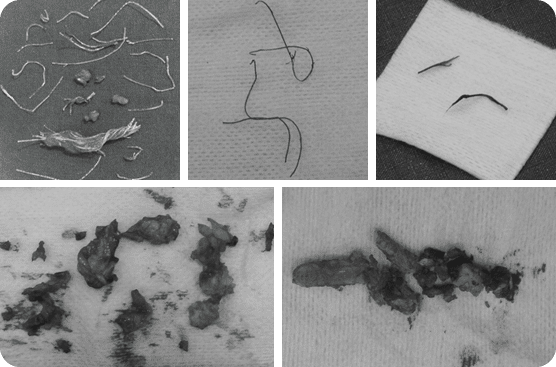

What is Nasal Foreign-Body Removal?
After assessing the inflammation, tissue damage, and other issues caused by the foreign material,
the substance is safely removed with the appropriate solution. Any resulting irregularity
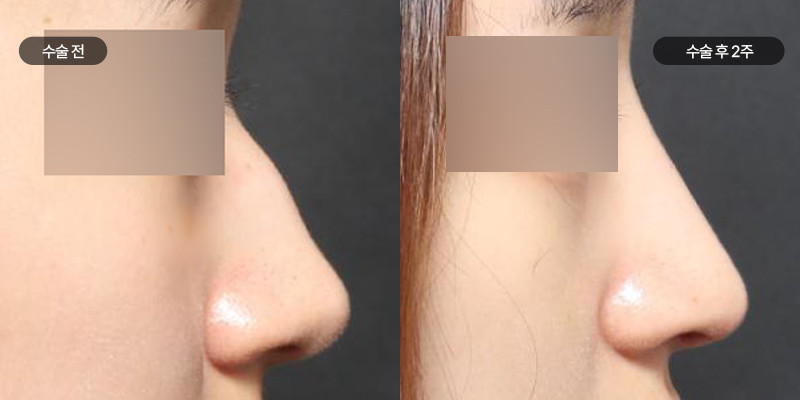
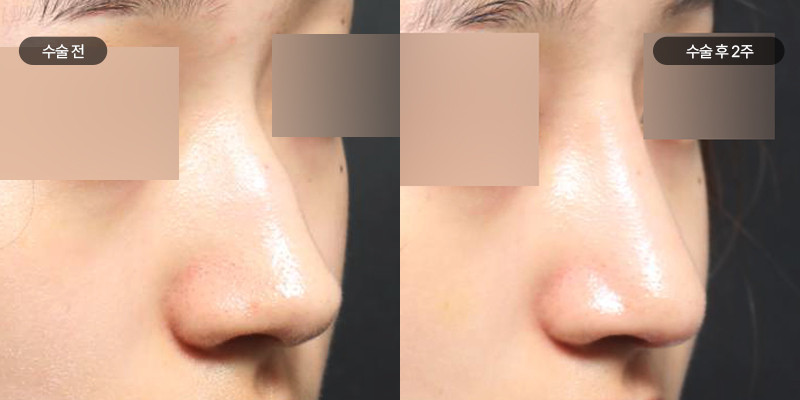
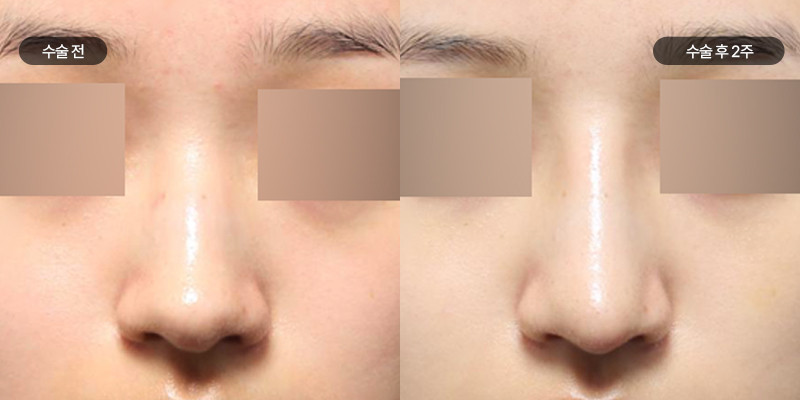
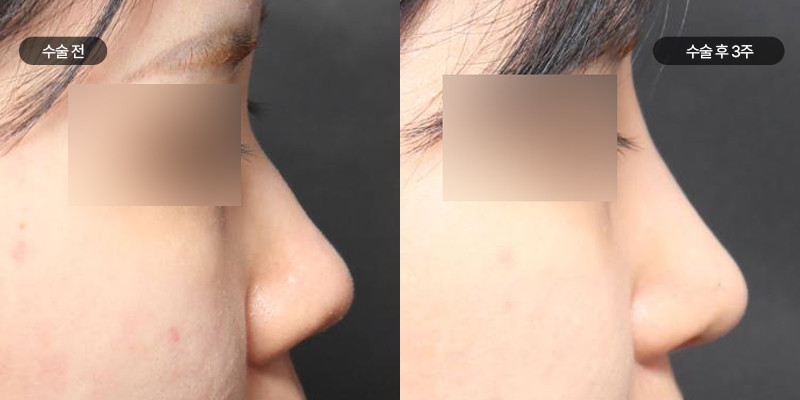
is then naturally corrected using cartilage-particle nasal filler made from autologous cartilage.
Nose Filler Removal
Hyaluronidase Injection
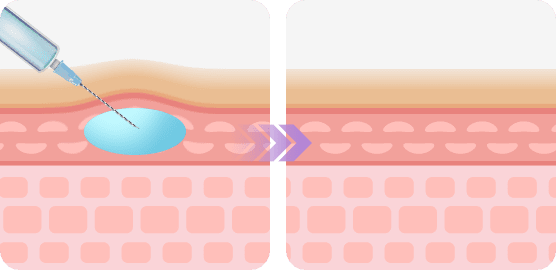
A hyaluronidase injection consists of an enzyme that breaks down hyaluronic acid filler
when the outcome is unsatisfactory or adverse reactions occur after a hyaluronic acid filler procedure.
Injecting the appropriate amount into the target area allows the enzyme to effectively dissolve
the hyaluronic acid filler component.

Before Dissolving Filler with Hyaluronidase
Check List
01
Whether you have ever had an allergic reaction to hyaluronidase
02
Whether the filler you received was a hyaluronic acid filler
03
Whether you have ever received a permanent or illegal filler

When dissolving filler, the type and properties of the filler must be carefully considered.
Proceed only after thorough consultation with a skilled practitioner who has the expertise
to dissolve it precisely.
Nasal Thread Removal
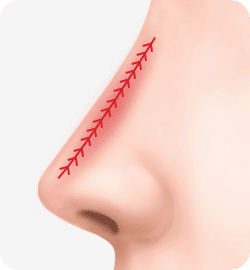
When Inflammation or Infection Occurs
If inflammation or infection develops after thread lifting,
prompt removal of the thread is necessary.
Leaving an infected thread in place can cause
serious damage to the internal nasal tissue,
so removal must be performed without delay.
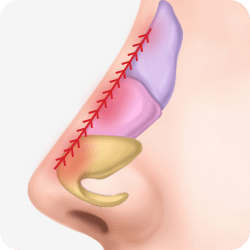
Internal Nasal Tissue Damage
After thread lifting, the thread may adhere to the internal
nasal tissue or produce excessive scar tissue.
This is a natural phenomenon resulting from the thread bonding
tightly with surrounding tissue;
however, removal must be approached
with great care.
Forceful removal of the thread can cause greater tissue damage,
so surgery by an experienced specialist is essential.

BAROKO
After foreign body removal,
tailored to you
Custom Rhinoplasty
Recommended Candidates for Cartilage-Particle Nasal Filler
after Baroko Foreign-Body Removal
CASE
01
Done with repeated nasal procedures! Looking for something as simple as a nasal treatment
but with permanent results like rhinoplasty
CASE
02
Wanting both functional and aesthetic improvement after foreign body removal
CASE
03
Unsatisfied with the shape from nose filler or thread lifting
CASE
04
Experiencing ongoing adverse effects after a nasal procedure
CASE
05
Seeking a natural and harmonious nasal contour
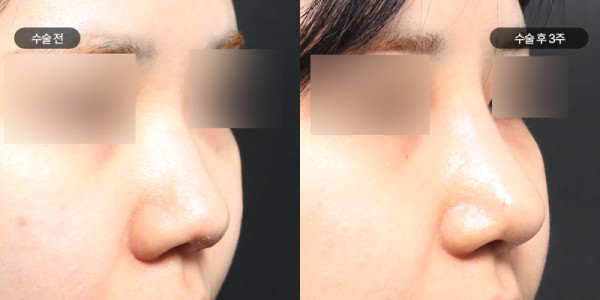
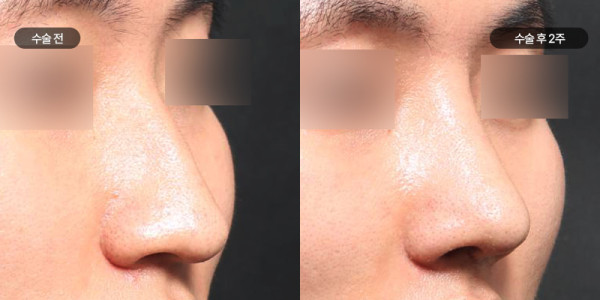
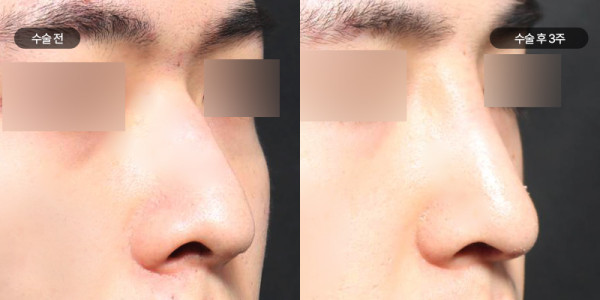
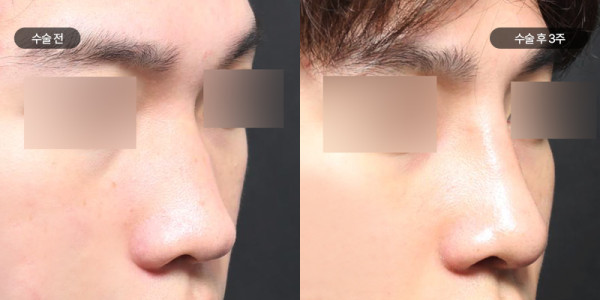
BAROKO results — before & after
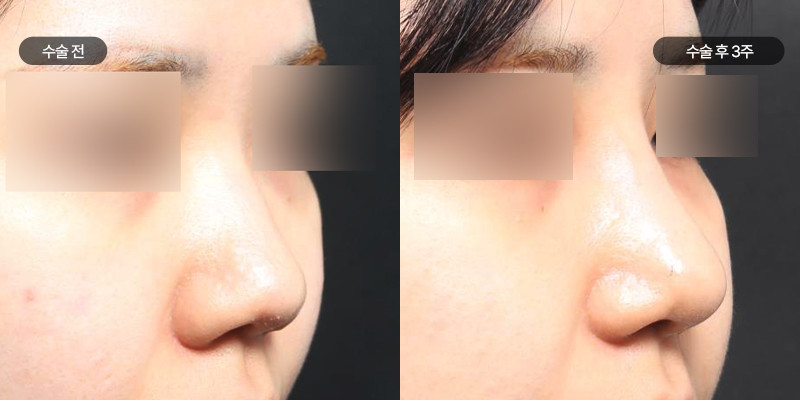
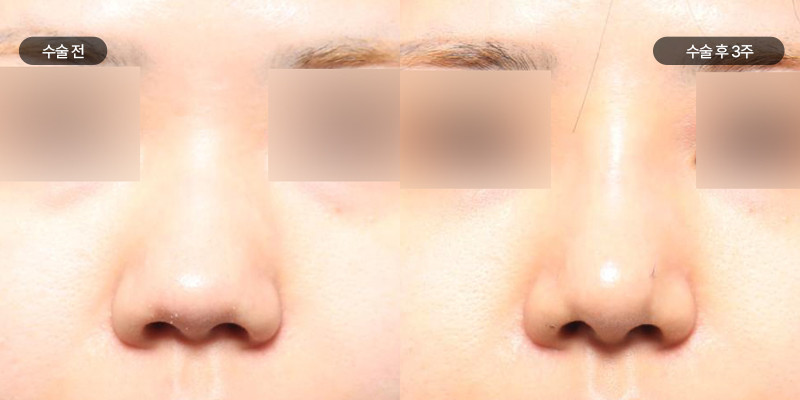
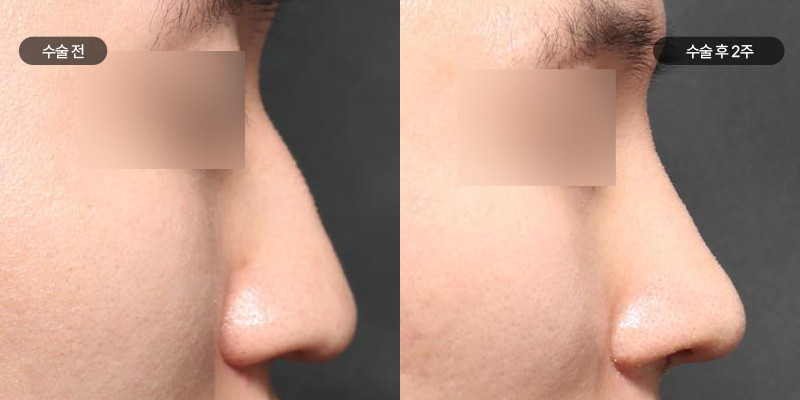
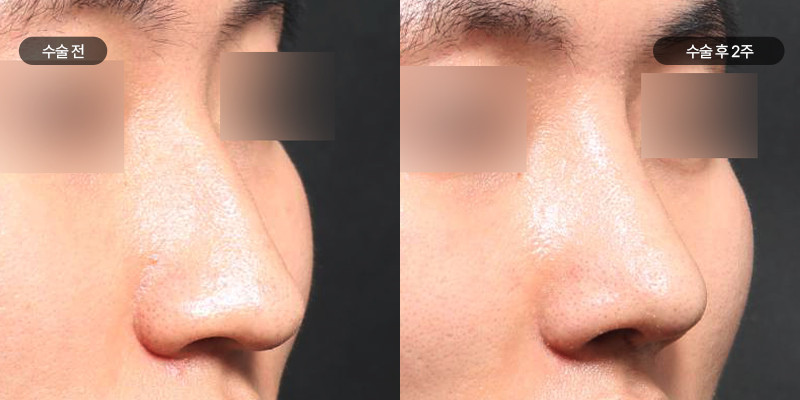
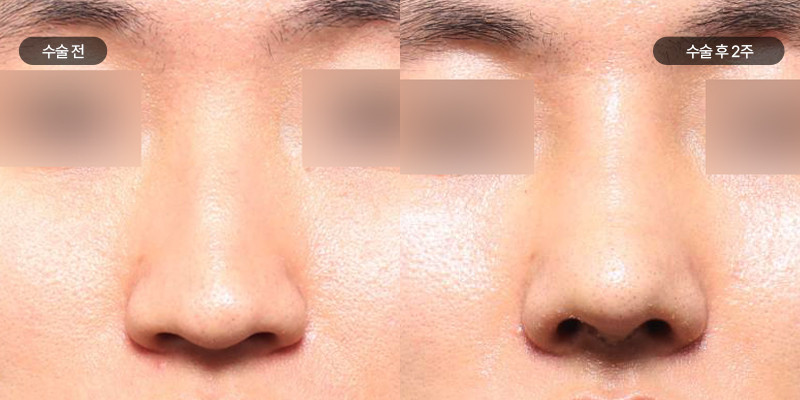
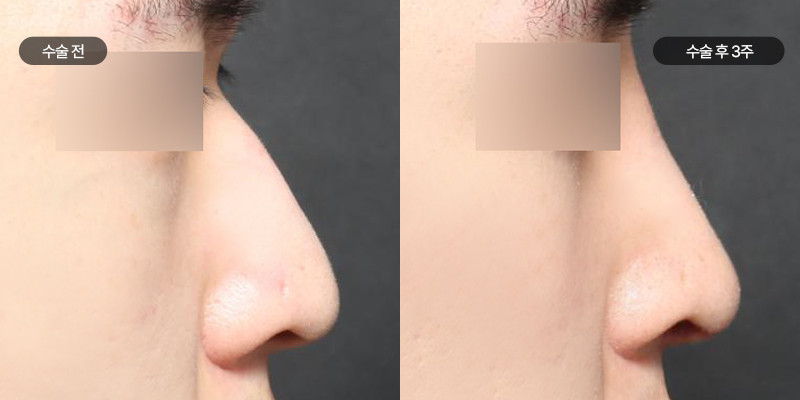
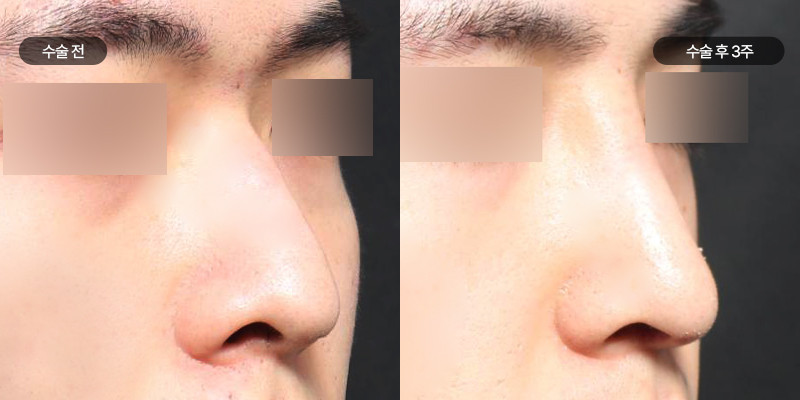
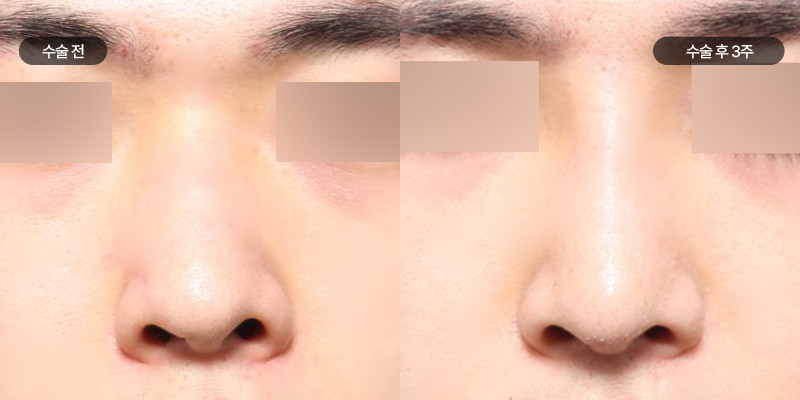
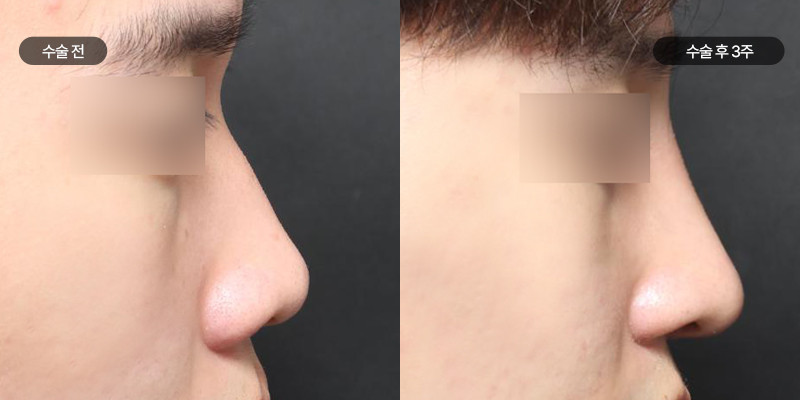
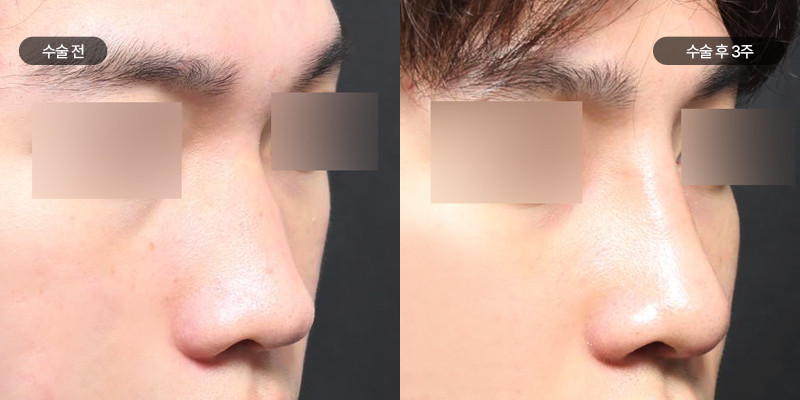
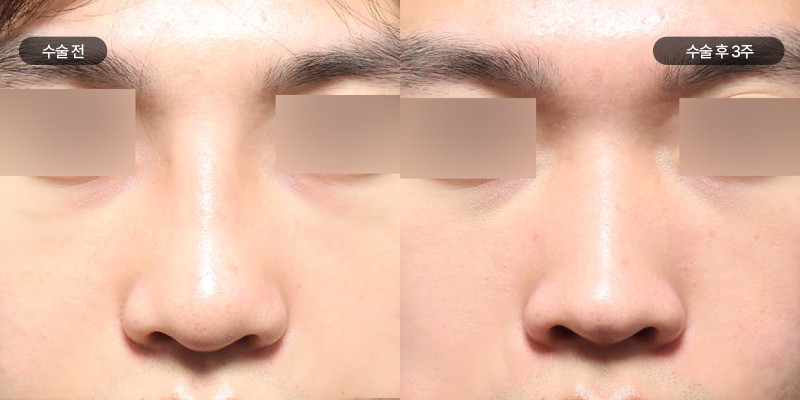


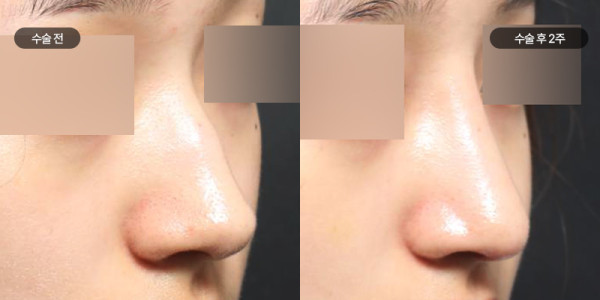


What Makes Baroko Rhinoplasty Special
Baroko takes exceptional pride in rhinoplasty.
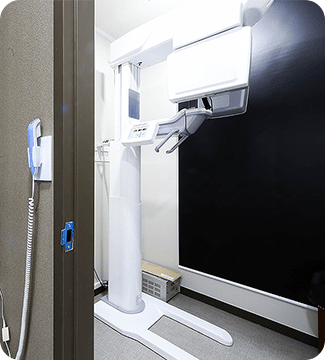
01
Precise Pre-operative Examination
A 3D-CT scanner — used in university hospital settings —
is employed for thorough pre-operative evaluation.

02
Systematic Analysis & 1:1 Personalised Consultation
After 3D-CT imaging, a comprehensive analysis of internal nasal size and conditions
is followed by an in-depth personalised consultation.
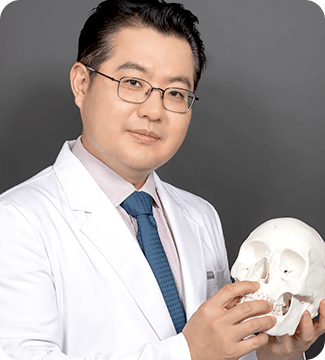
03
ENT Specialist Dedicated to the Nose
As an ENT specialist focused exclusively on the nose,
our surgeon combines functional expertise with aesthetic sensibility.
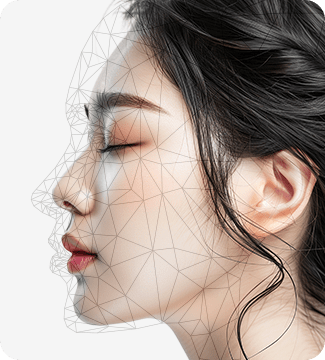
04
Virtual Simulation System
Pre-operative virtual simulation delivers
accurate, predictable results.
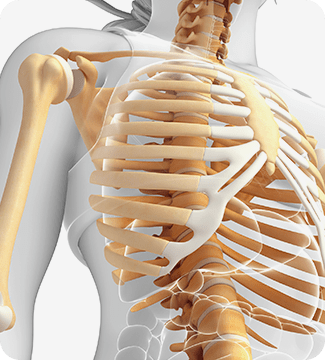
05
No Artificial Implants
Only autologous cartilage is used — no artificial materials or
donor cartilage — minimising the risk of inflammation.
06
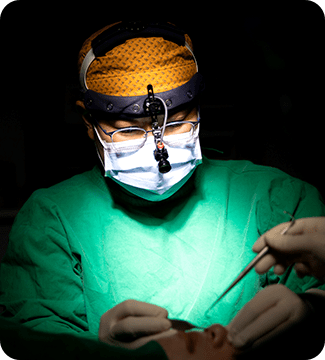
Surgery Performed by Head Surgeon with 20+ Years of Experience
Extensive clinical experience focused solely on the nose
creates harmonious contours tailored to each patient's face.
07
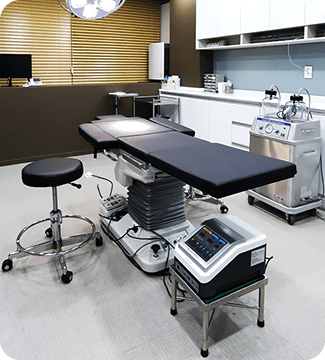
Safe Surgery Commitment
Infection is prevented through our large sterile operating theatre,
and safe anaesthesia is ensured with ultrasound guidance.

08
Proprietary Core Technology
Baroko holds differentiated technical expertise
in facial-contour rhinoplasty.
09
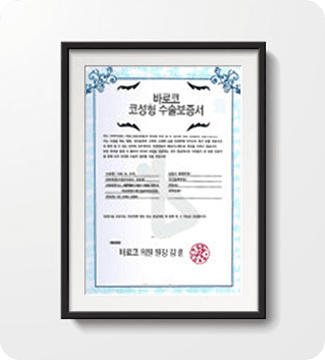
Surgery Warranty Issued
As a mark of Baroko's confidence in rhinoplasty,
a surgery warranty is issued post-operatively
to ensure thorough aftercare.
10
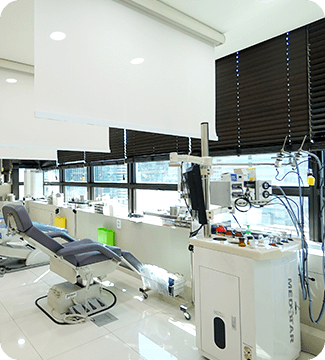
Systematic Aftercare
Baroko's distinctive and systematic aftercare programme
takes responsibility for recovery from bruising, scarring, swelling, and more.

11
Meticulous Progress Monitoring
Before-and-after comparisons are made carefully at each follow-up,
with detailed progress checks —
resulting in high patient satisfaction.
Frequently Asked Questions about Nasal Foreign-Body Removal
Materials that have caused adverse reactions after nasal procedures — such as nose filler or nasal thread lifting (Misco, Hyco, etc.) — can be removed. Hyaluronic acid filler is dissolved using a hyaluronidase injection (enzyme), while silicone threads are removed when inflammation, infection, or tissue damage is present.
Threads may adhere to the internal nasal tissue or generate scar tissue, meaning forceful removal can cause greater tissue damage. The page advises that surgery by an experienced specialist is essential. Leaving an infected thread in place can damage internal nasal tissue, so prompt removal is required.
Any irregularity caused by the foreign material can be naturally corrected using cartilage-particle nasal filler made from autologous cartilage. The procedure takes approximately 1–2 hours under local or IV sedation anaesthesia, with same-day discharge and approximately 7 days of recovery (individual variation applies).