



Stem-Cell Revision Rhinoplasty
A program that shortens the waiting period for revision rhinoplasty
Procedure at a Glance

Surgery Time
2–3 hours

Suture Removal
After 6–7 days

Anesthesia
IV sedation anesthesia

Follow-up Visits
2–3 sessions

Hospitalization
Same-day discharge

Recovery
1 week
Who It’s For

Contracture (capsular contracture) symptoms due to artificial material use
Inflammation or necrosis following rhinoplasty
Implant warping or protrusion
Asymmetry due to deformation of the nasal septum, nostrils, etc.
Nasal cartilage damage from columellar depression or protrusion
Deformation of nasal shape
Dissatisfaction with nasal contour or overall nose shape
YOUTUBE





BAROKO
NOSE CLINIC


What is Stem-Cell Revision Rhinoplasty?
Revision rhinoplasty is generally understood to require waiting 6 months after the initial surgery.
At Baroko, however, depending on each patient's individual condition,
revision rhinoplasty via stem cell therapy may be possible in a much shorter timeframe — without waiting the full 6 months.
Baroko Stem-Cell Revision Rhinoplasty
Implant removal
Treatment (1–2 months)
Nasal reconstruction
Recovery (1 week)
Implant removal
Treatment (1–2 months)
Minimum total: approx. 1 month
Conventional Revision Rhinoplasty
Implant removal
Wait for natural healing (6 months – 1 year)
Revision rhinoplasty
Recovery (1 month)
Implant removal
Wait for natural healing (6 months – 1 year)
Minimum total: approx. 7 months
How is Stem-Cell Revision Rhinoplasty possible?
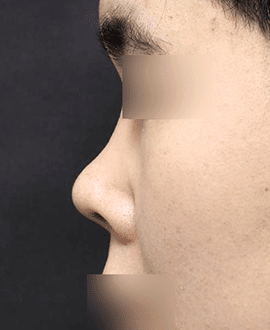
BEFORE
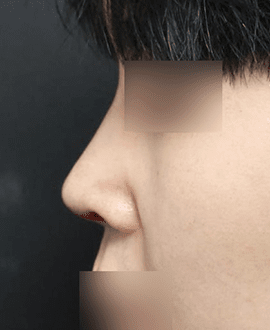
AFTER
Stem cells help regenerate damaged blood vessels and accelerate recovery.
For patients requiring revision, treatment is administered 2–3 times per week for 2–3 weeks,
allowing tissue to recover rapidly so that revision rhinoplasty can be performed within one month.
Functions of Stem Cells
Tissue Regeneration
Regenerates damaged
tissue cells.

Differentiation
Differentiates damaged cells and
regenerates them into normal cells.

Paracrine Stimulation
Promotes growth factors such as collagen and hormones
to improve body tissues.

Immune Modulation
Normalizes the function of immune cells
(lymphocytes, leukocytes) to regulate immunity.

Apoptosis Delay & Prevention
Delays and prevents cell damage and death
that accelerate aging, delivering an anti-aging effect.

Vascular Regeneration & Neovascularization
Regenerates damaged, narrowed, and weakened blood vessels
to promote smooth blood circulation,
restoring normal blood supply and peripheral vasculature.

Baroko Stem Cell Key Points
01
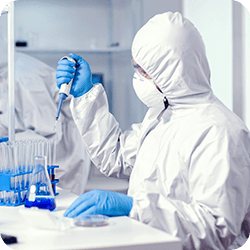
Safe stem cells in a
sterile in-clinic environment
Stem cells are extracted and cultured immediately
after fat harvesting in-house, enabling safe treatment
with no risk of infection or mutation.
02
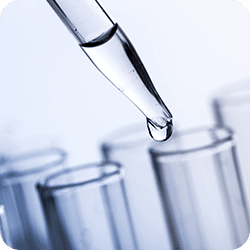
Fastest-acting stem cells
for rapid healing
Harvested cells are not frozen — they are separated,
concentrated, and amplified on-site and used within 15 minutes,
resulting in a faster healing rate.
03
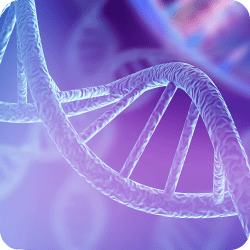
No risk of infection or genetic mutation
Stem cells are not cultured or manipulated externally,
eliminating the risk of infection
or genetic mutation.
04
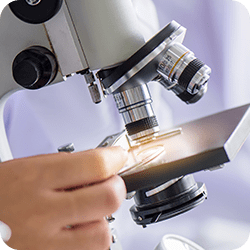
FDA & KFDA-approved
equipment
Baroko stem cell treatments use only
equipment with verified safety approval.
Surgical Procedure
Pre-operative Phase
STEP 01
Through a 1:1 consultation with the head surgeon,
the most suitable cartilage — septal, auricular,
or costal — is harvested based on the patient's condition.
STEP 02
The harvested autologous cartilage is finely minced
into micro-particle size,
converting it into particulate cartilage.
Operative Phase
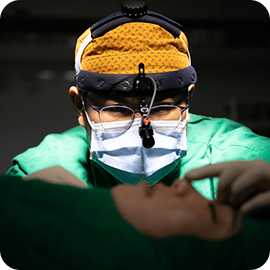
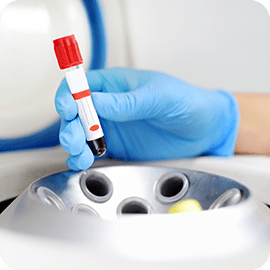
STEP 03
The micro-particulate autologous cartilage is
solidified with autologous blood components
and processed accordingly.
STEP 04
A custom silicone mold is fabricated, then
the cartilage particles are packed into the mold
to create the desired shape.
Post-operative Phase
STEP 05
The particulate autologous cartilage is inserted
into the nose to design
the desired shape.
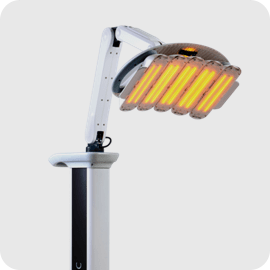
STEP 06
The skin is sutured and dressed,
completing the procedure.
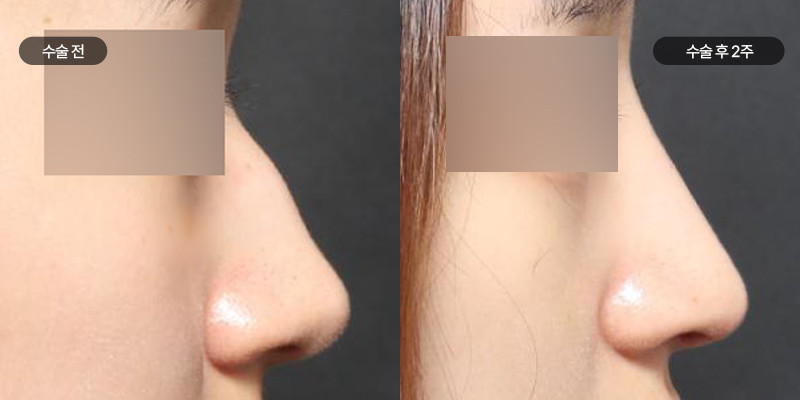
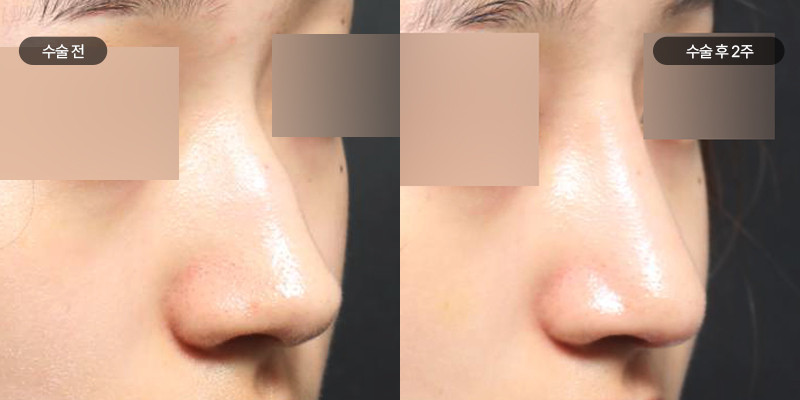
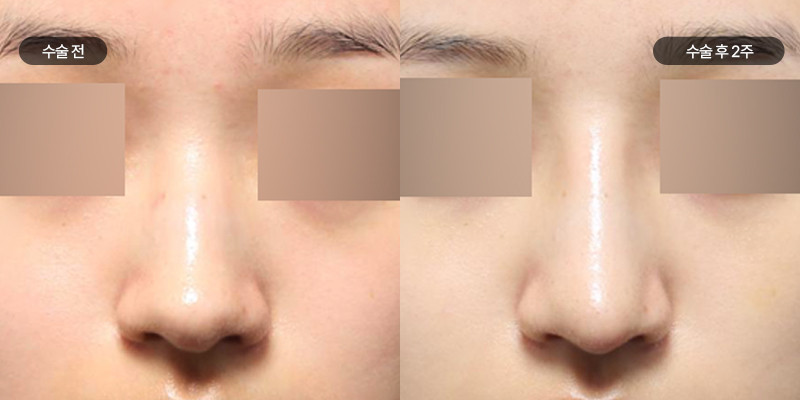
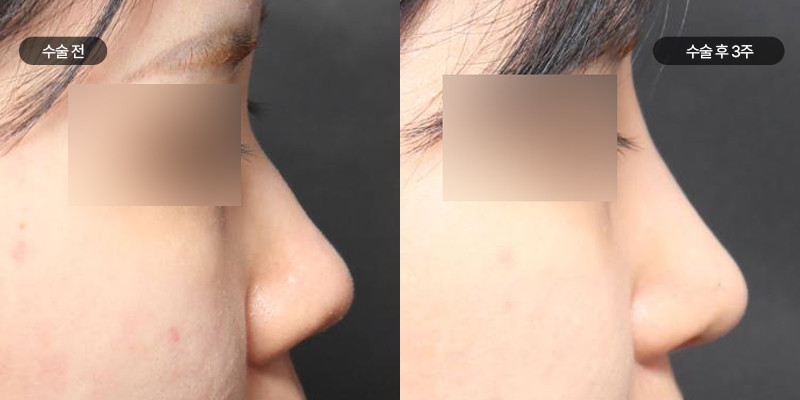
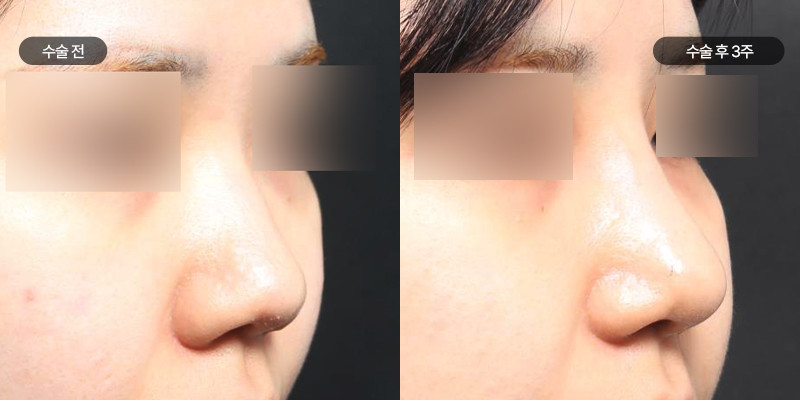
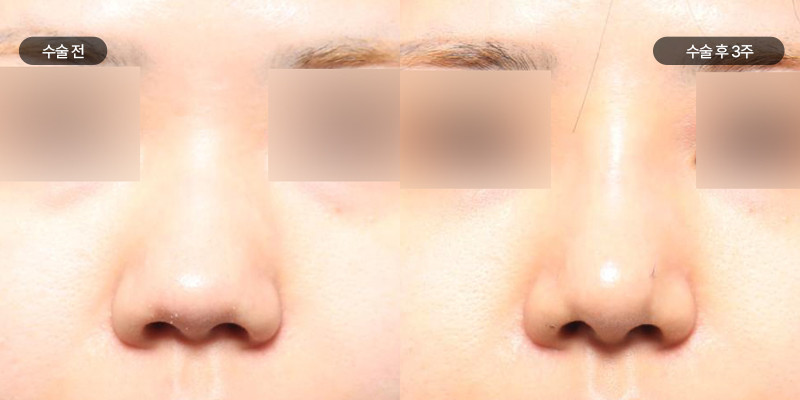
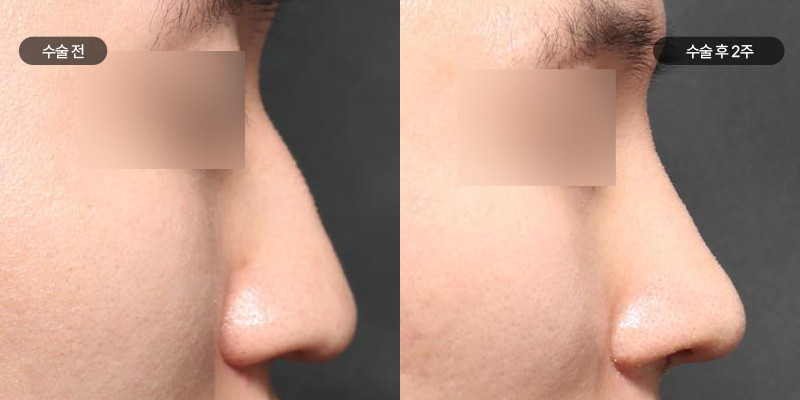
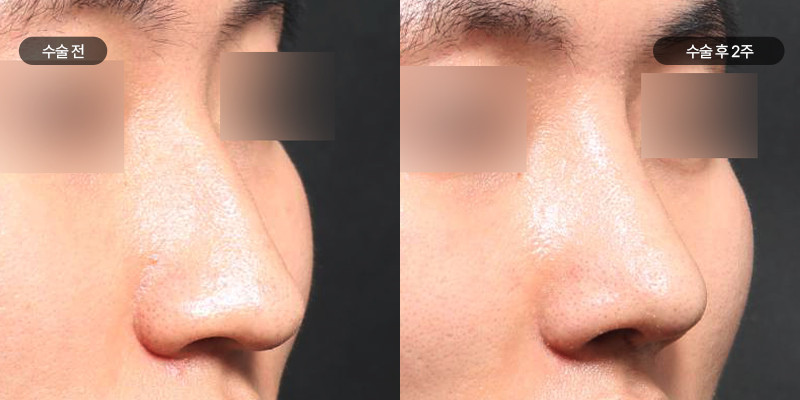
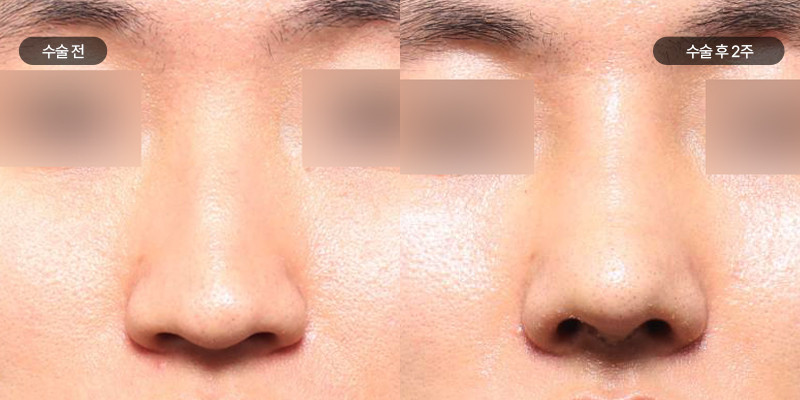
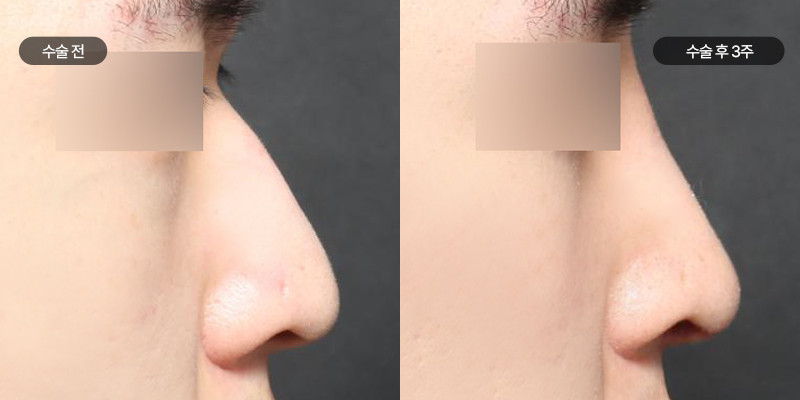
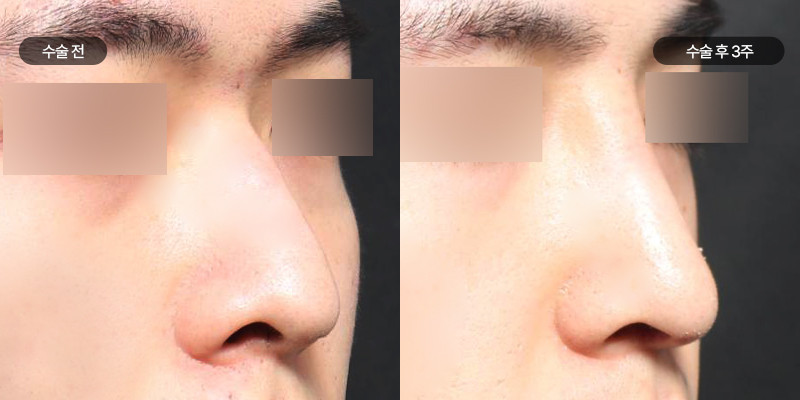
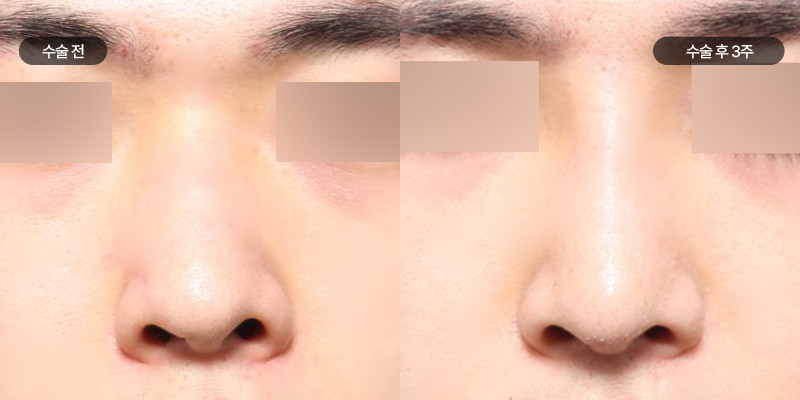
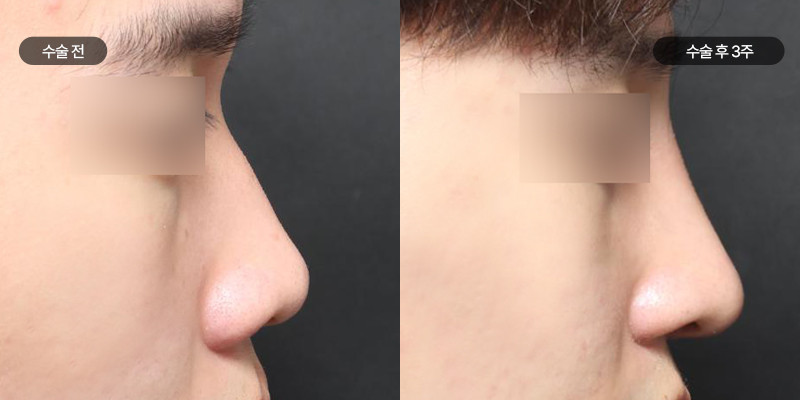
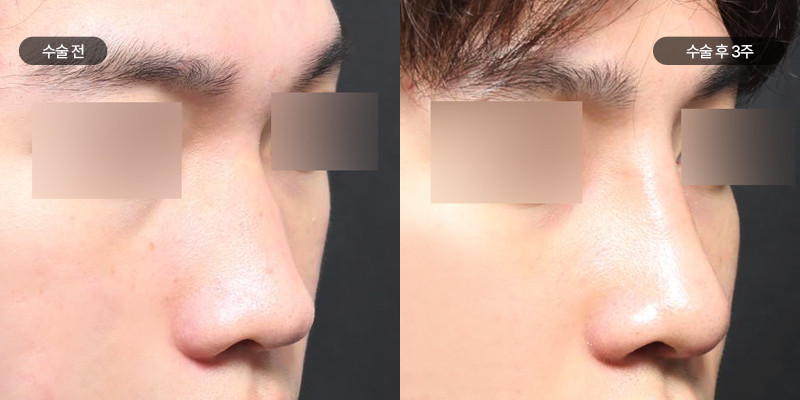
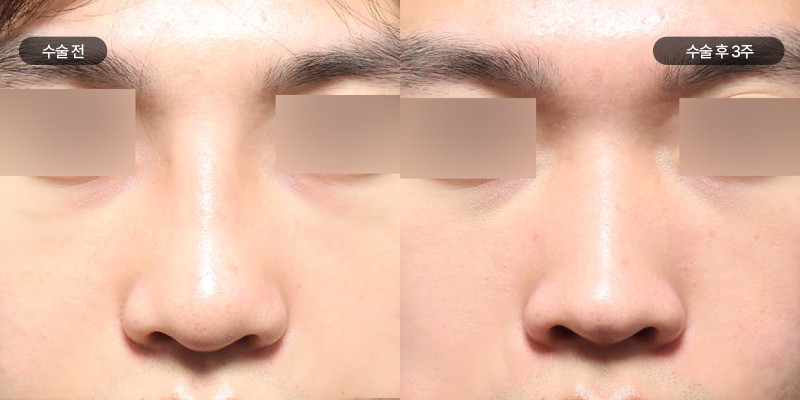
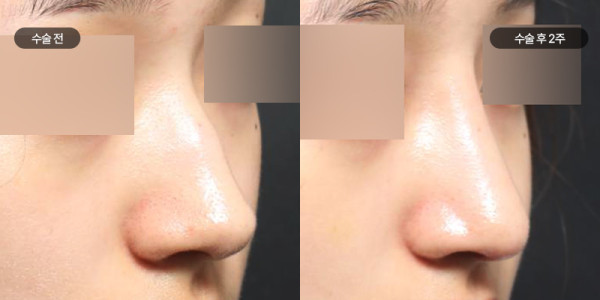
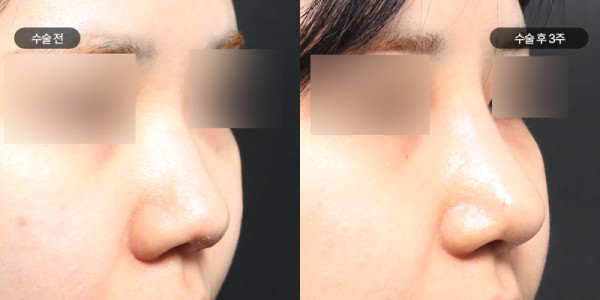
BAROKO results — before & after


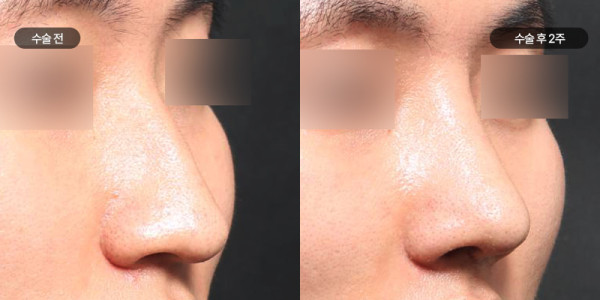
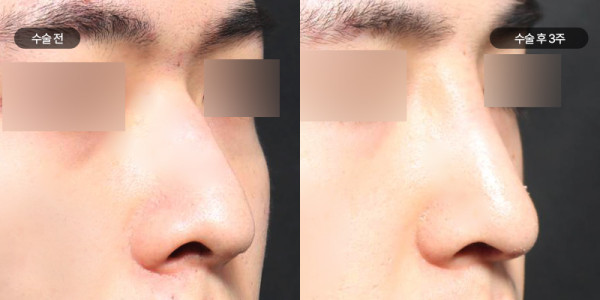
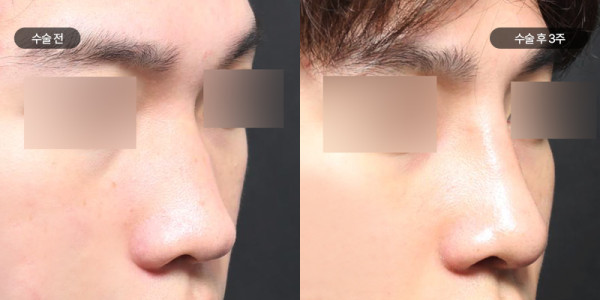


What Makes Baroko Rhinoplasty Special
Baroko takes exceptional pride in rhinoplasty.
01
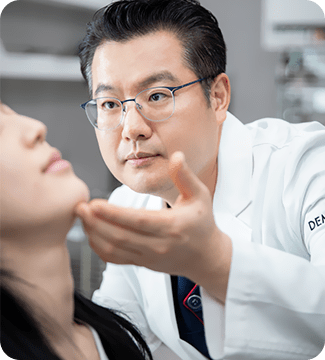
Precise Pre-operative Examination
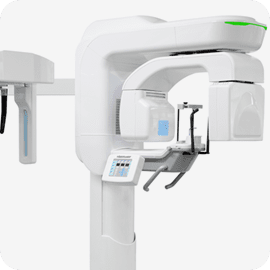
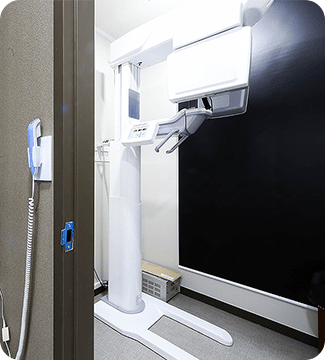
A 3D-CT scanner — used in university hospital settings —
is employed for thorough pre-operative evaluation.
02
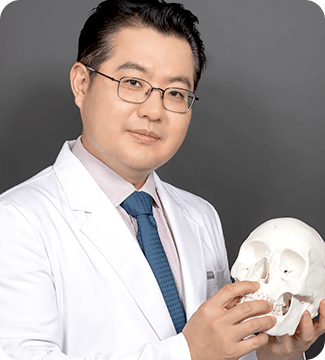
Systematic Analysis & 1:1 Personalised Consultation
After 3D-CT imaging, a comprehensive analysis of internal nasal size and conditions
is followed by an in-depth personalised consultation.
03
ENT Specialist Dedicated to the Nose
As an ENT specialist focused exclusively on the nose,
our surgeon combines functional expertise with aesthetic sensibility.
04
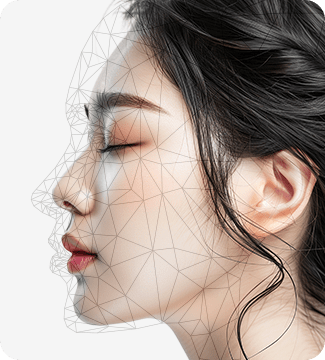
Virtual Simulation System
Pre-operative virtual simulation delivers
accurate, predictable results.
05
No Artificial Implants
Only autologous cartilage is used — no artificial materials or
donor cartilage — minimising the risk of inflammation.
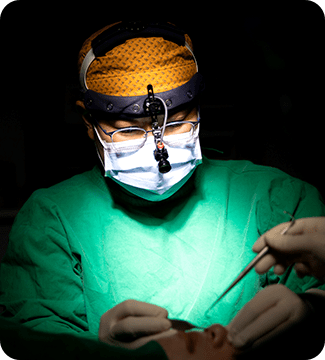
06
Surgery Performed by Head Surgeon with 20+ Years of Experience
Extensive clinical experience focused solely on the nose
creates harmonious contours tailored to each patient's face.
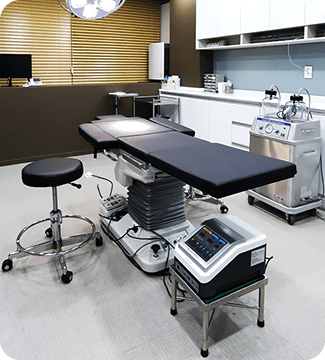
07
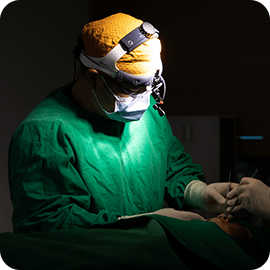
Safe Surgery Commitment
Infection is prevented through our large sterile operating theatre,
and safe anaesthesia is ensured with ultrasound guidance.

08
Proprietary Core Technology
Baroko holds differentiated technical expertise
in facial-contour rhinoplasty.
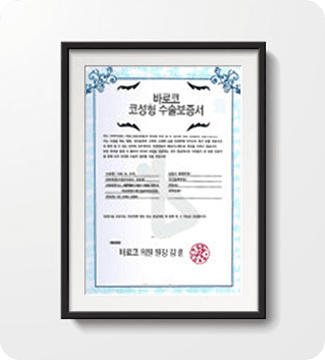
09
Surgery Warranty Issued
As a mark of Baroko's confidence in rhinoplasty,
a surgery warranty is issued post-operatively
to ensure thorough aftercare.
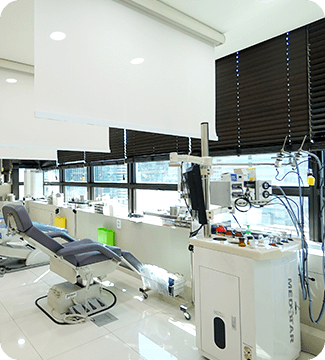
10
Systematic Aftercare
Baroko's distinctive and systematic aftercare programme
takes responsibility for recovery from bruising, scarring, swelling, and more.
11
Meticulous Progress Monitoring
Before-and-after comparisons are made carefully at each follow-up,
with detailed progress checks —
resulting in high patient satisfaction.
Frequently Asked Questions about Stem-Cell Revision Rhinoplasty
Revision rhinoplasty is generally understood to be performed 6 months after the initial surgery. However, Baroko explains that, depending on each patient's individual condition, combining stem cell therapy may allow revision surgery to be performed sooner. The actual timing is determined by the medical team based on each patient's condition.
Baroko explains that stem cells can regenerate damaged blood vessels and tissue, promote smooth blood circulation, and regulate immunity. For patients requiring revision, treatment administered 2–3 times per week for 2–3 weeks allows tissue to recover rapidly, making revision rhinoplasty possible within one month.
Candidates include those with contracture (capsular contracture), inflammation or necrosis after rhinoplasty, implant warping or protrusion, asymmetry, or dissatisfaction with nasal shape. Surgery takes approximately 2–3 hours under IV sedation, with same-day discharge and 2–3 follow-up visits (individual variation applies).