



Nasal Valve Stenosis
Surgery to widen a narrowed nasal valve and restore comfortable breathing
Procedure at a Glance

Surgery Time
1–2 hours

Suture Removal
After 7 days

Anesthesia
Local / sedation anesthesia

Follow-up Visits
1–2 visits

Hospitalization
Same-day discharge

Recovery
3–4 weeks

Cost
Private medical insurance applicable
Who It’s For

Difficulty breathing due to nasal congestion
Presence of sinusitis or rhinitis
Severe snoring or sleep disturbance
Narrowing of the nasal interior due to trauma
YOUTUBE







BAROKO
NOSE CLINIC


What is Nasal Valve Stenosis?
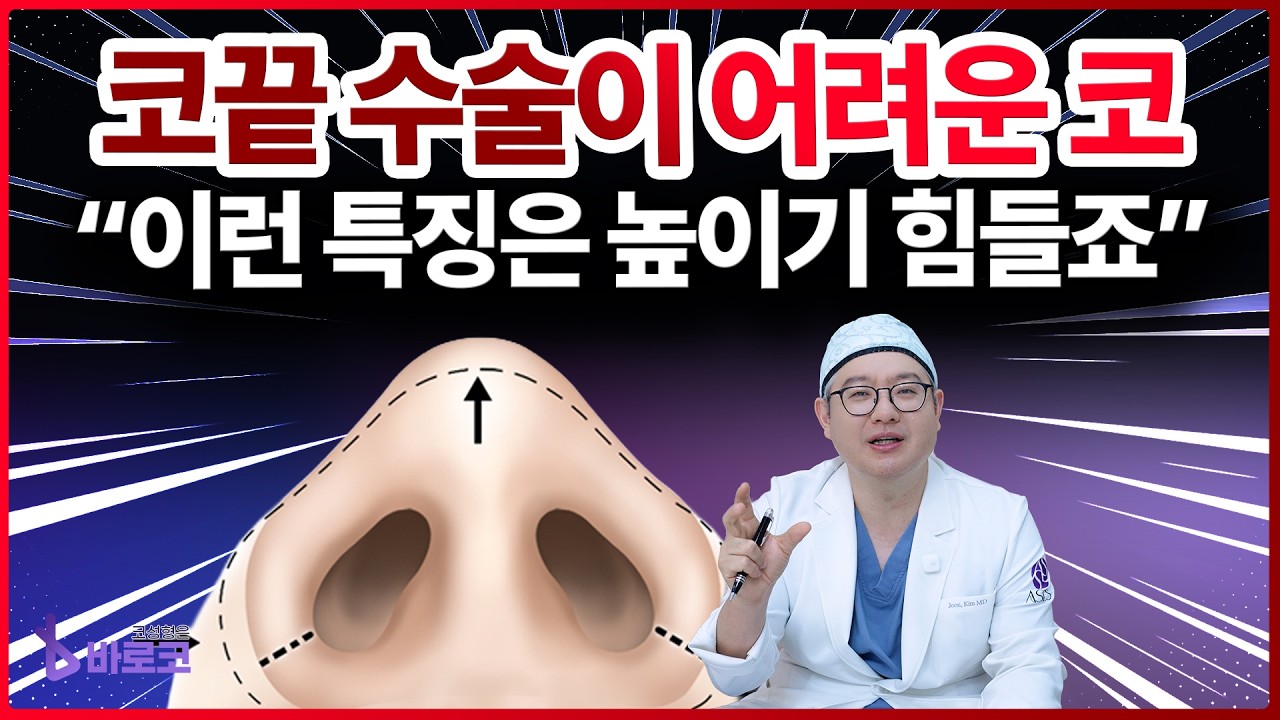
The nasal valve is a roof-like space at the upper part of the nasal septum inside the nose that regulates breathing. When this space narrows, it causes a sense of obstruction and nasal congestion. Widening the nasal valve improves the nasal congestion that septoplasty and rhinitis surgery alone cannot fully resolve.
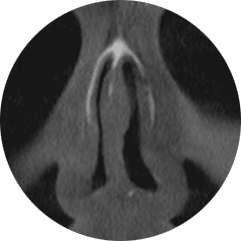
Stenotic nasal valve
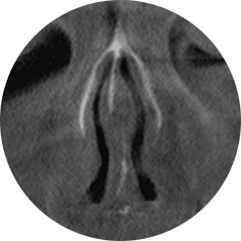
Open nasal valve
Nasal Valve Stenosis Symptoms
“
We expand the narrow nasal valve
to make breathing comfortable.
”
Surgical Procedure
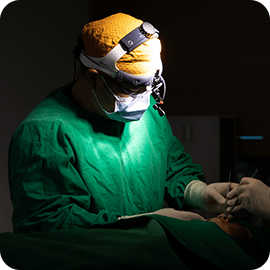
STEP 01
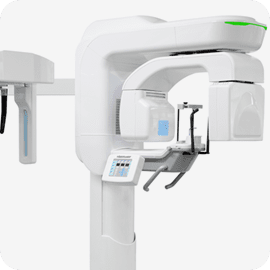
A board-certified ENT specialist conducts
a thorough consultation based on
precision diagnostic imaging.
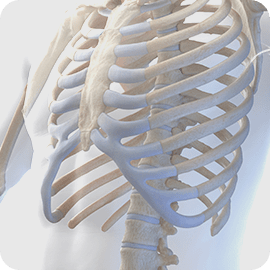
STEP 02
The narrowed nasal valve space
caused by stenosis is assessed.
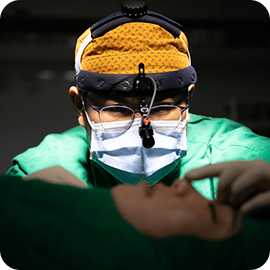
STEP 03
Septal cartilage is grafted between
the septal cartilage and the lateral nasal wall
to widen the nasal cavity.
STEP 04
The widened nasal cavity corrects
nasal valve stenosis.
Nasal disorder surgery and rhinoplasty — all at once!
Baroko Functional & Cosmetic Rhinoplasty

Private Medical Insurance Benefits Available
Deviated septum, nasal valve stenosis, rhinitis, and sinusitis are leading nasal disorders
that may qualify for private medical indemnity insurance coverage after diagnostic testing.
| Nasal condition | Examination | Required documents |
|---|---|---|
|
Deviated septum / Nasal bone fracture |
Advanced 3D-CT imaging; the scan confirms whether an insurance claim is possible |
Surgery certificate, admission/discharge certificate, itemized medical bill, inpatient (discharge) fee receipt, other insurer forms |
| Rhinitis | ||
|
Sinusitis (chronic rhinosinusitis) |
||
| Nasal valve reconstruction |
| Nasal condition | Diagnosis code | Category | |
|---|---|---|---|
|
Deviated septum / Nasal bone fracture |
J34.2 Deviated nasal septum | Covered | |
| Rhinitis |
J34.3 Hypertrophy of nasal turbinates J30.4 Allergic rhinitis, unspecified |
Covered | |
|
Sinusitis (chronic rhinosinusitis) |
J32.9 Chronic sinusitis, unspecified | Covered | |
| Nasal valve reconstruction |
OZ111 Nasal valve reconstruction M95.0 Acquired deformity of nose |
Statutory non-covered | |
※ Reimbursement rates vary by individual even for the same functional nose surgery.
Products before 1 August 2009: 100% coverage
1 August 2009 onwards: 90% coverage
1 April 2016 onwards: 80% coverage
Even if you enrolled in private medical insurance before 2009, your reimbursement rate may differ depending on policy terms.
We recommend confirming your enrolment date, coverage rate, and eligibility for reimbursement directly with your insurer
before proceeding with functional nose surgery.
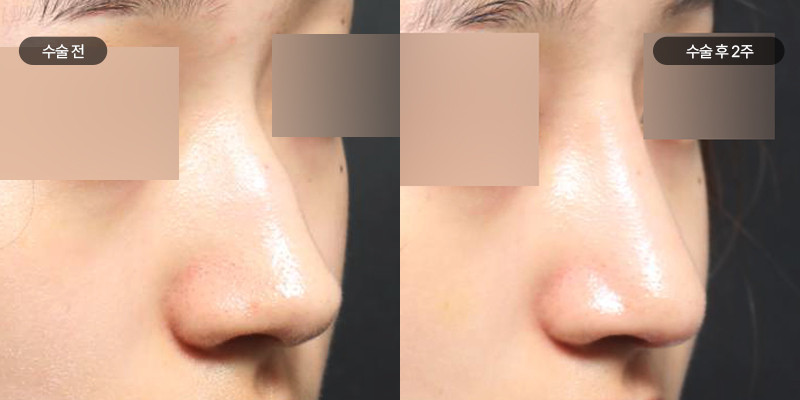
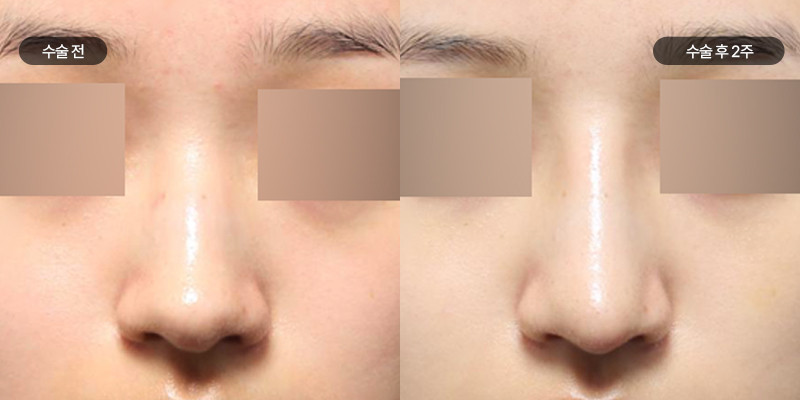
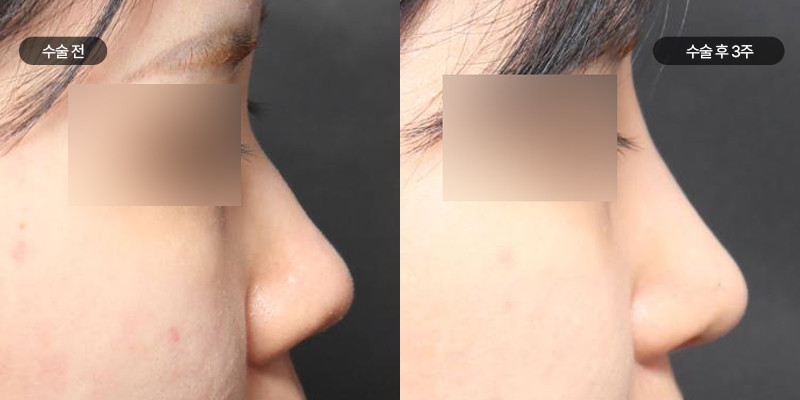
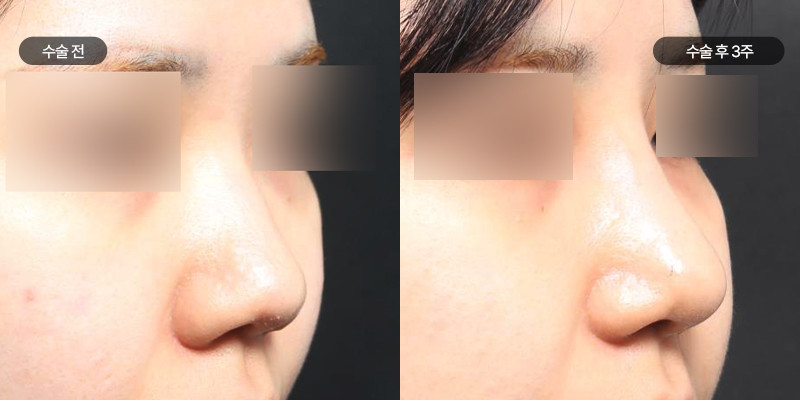
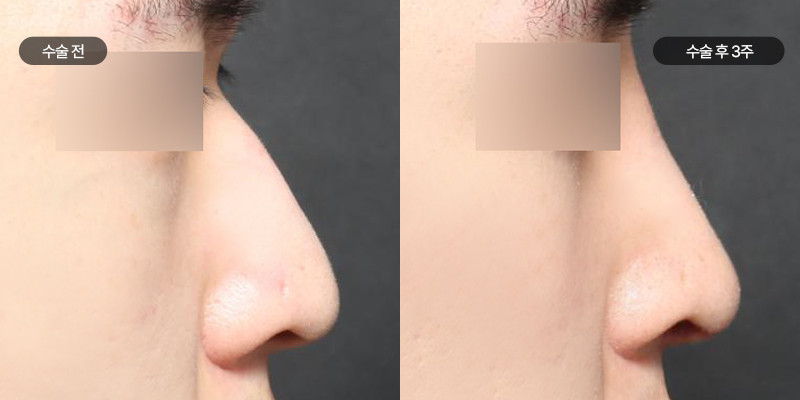
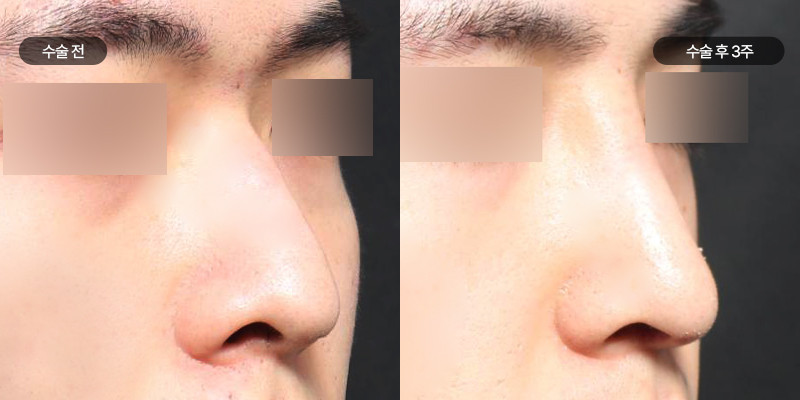
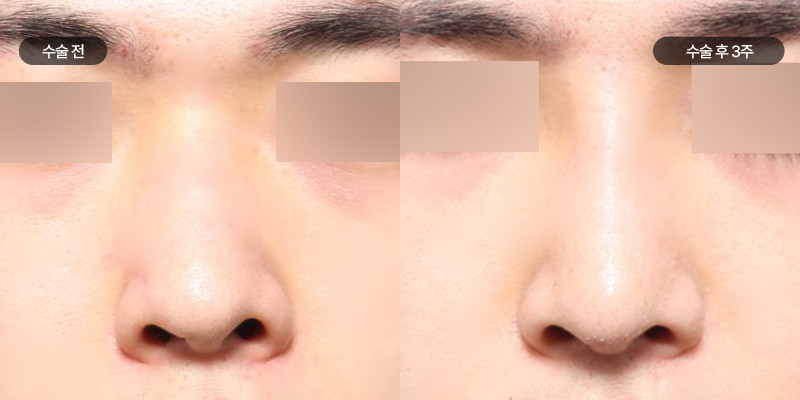
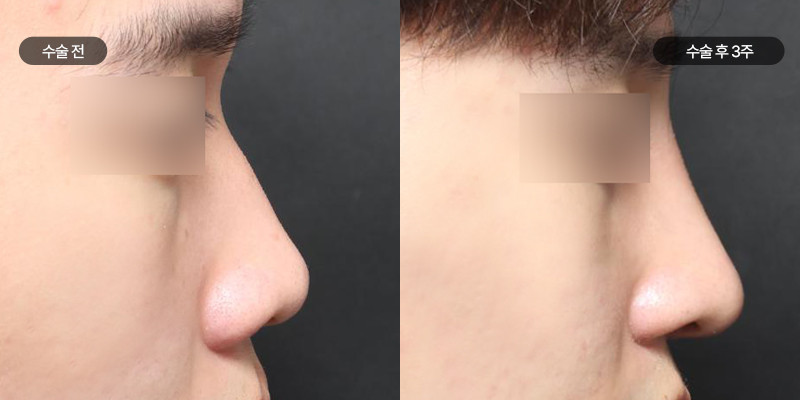
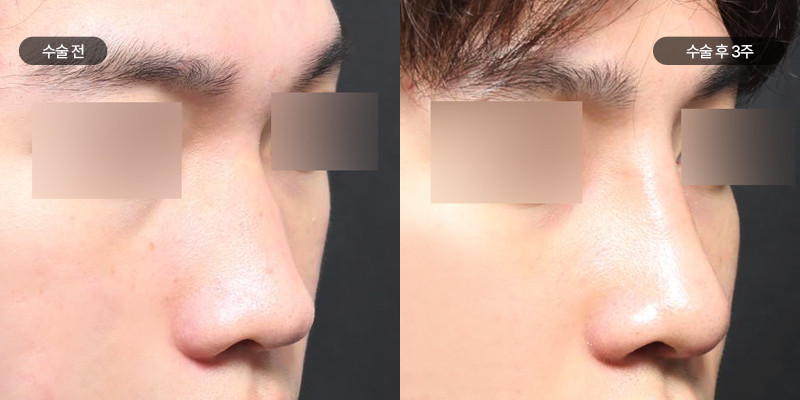
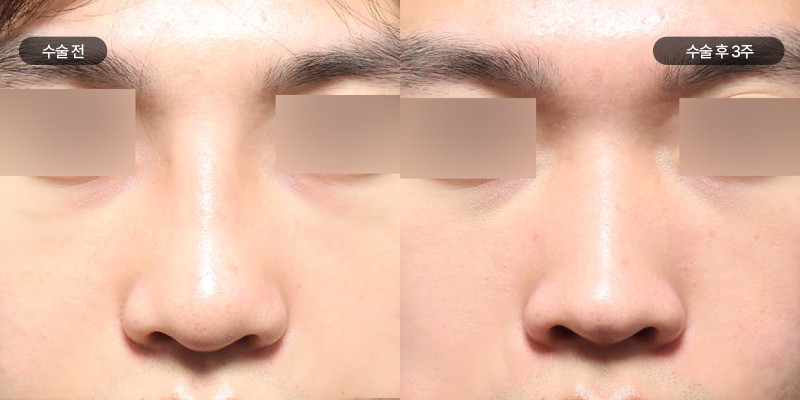
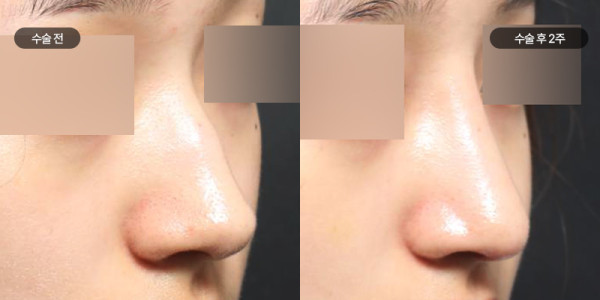
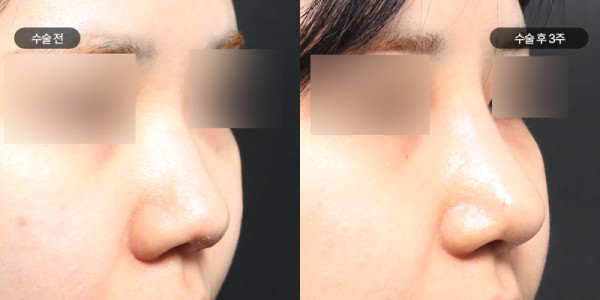
BAROKO results — before & after
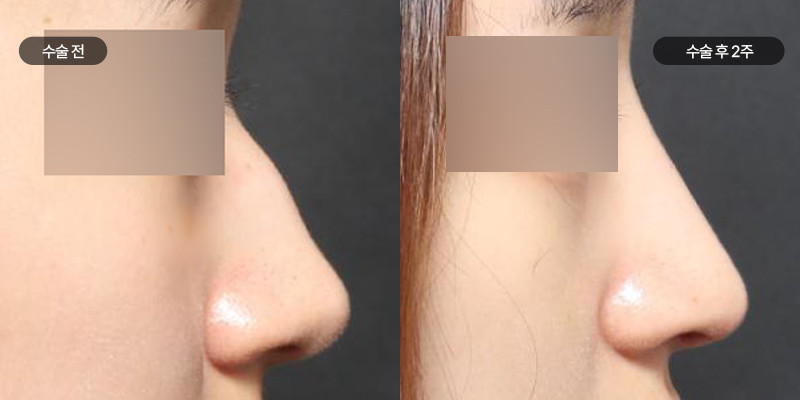
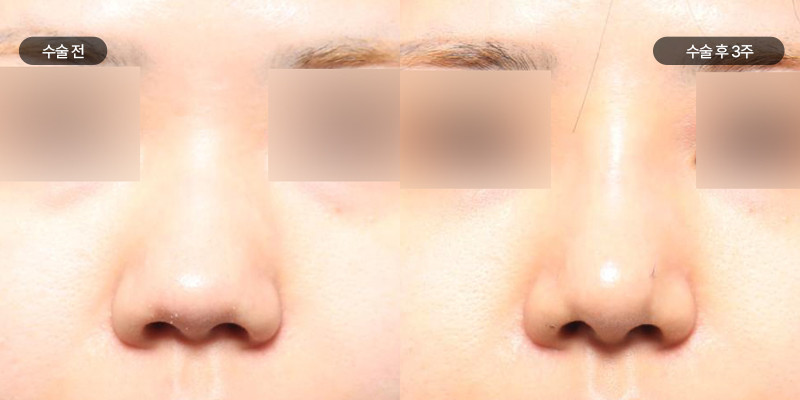
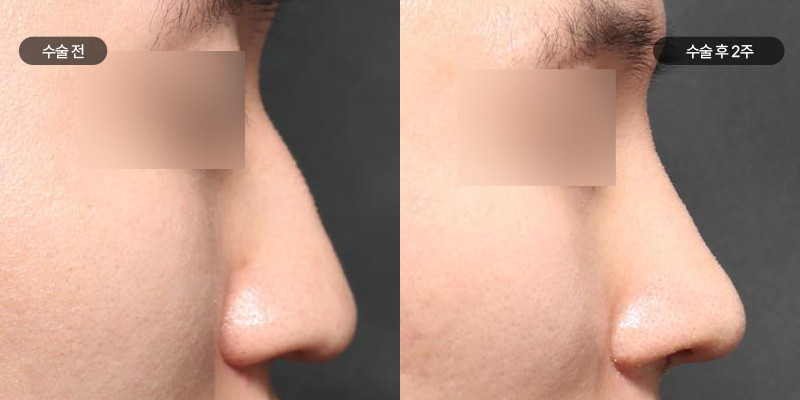
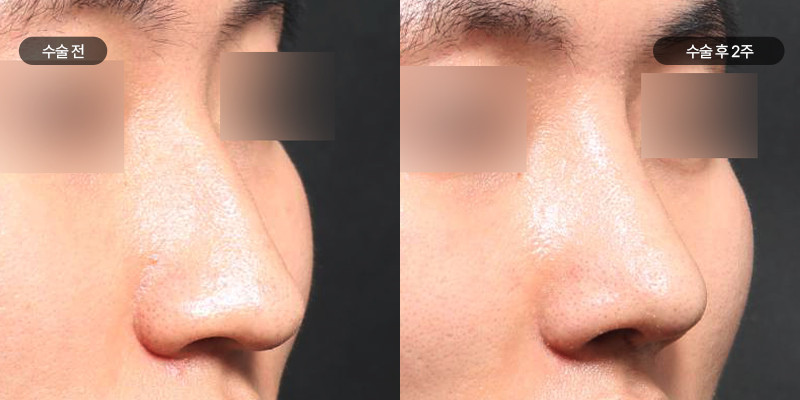
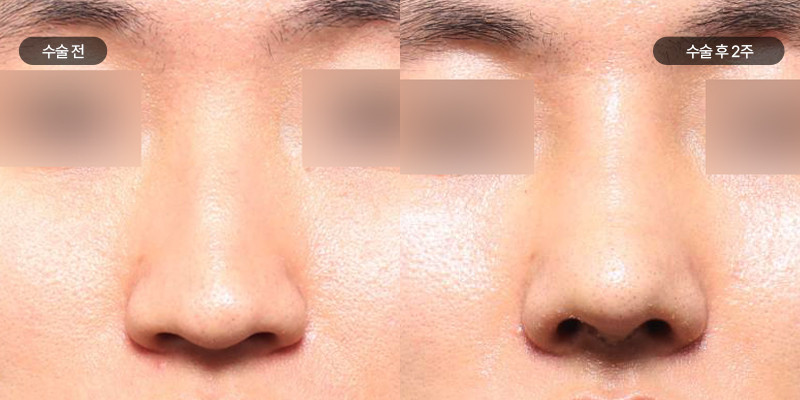


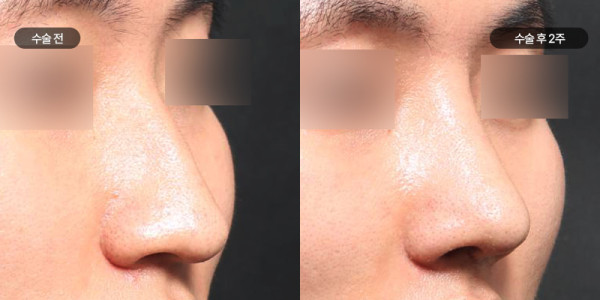
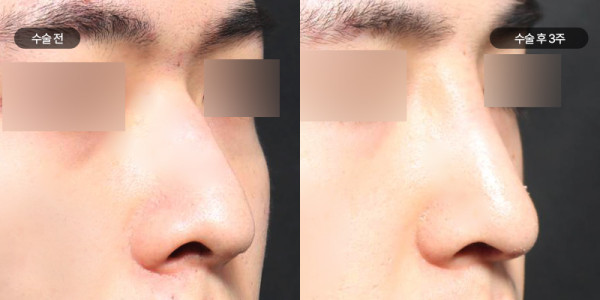
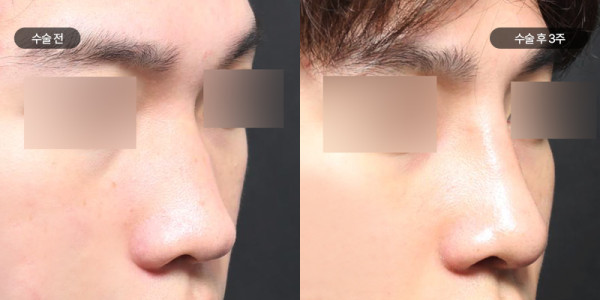


What Makes Baroko Rhinoplasty Special
Baroko takes exceptional pride in rhinoplasty.
01
Precision Pre-operative Assessment
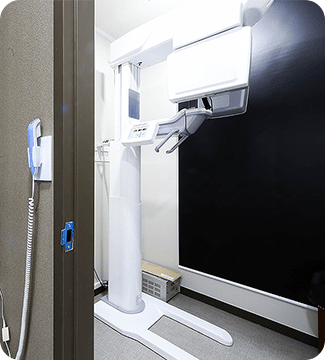
We perform 3D CT precision scans — the same standard as university hospitals —
before every rhinoplasty procedure.

02
Systematic Analysis & 1:1 Customised Consultation
After 3D CT imaging, we conduct an in-depth analysis of internal nasal dimensions and conditions,
followed by a thorough consultation.
03
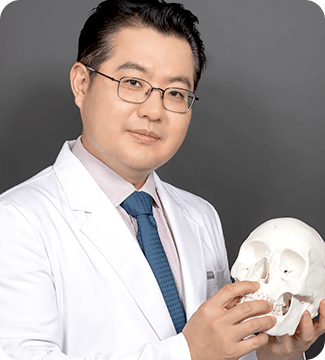
Nose-specialist ENT Physician
Our board-certified ENT specialist focuses exclusively on the nose,
combining functional expertise with an aesthetic eye.

04
Virtual Surgery Simulation System
Pre-operative virtual surgery simulation allows us to create
precisely predictable outcomes.
05
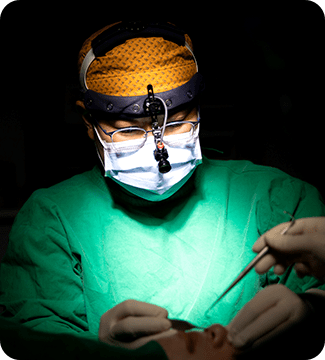
NO Synthetic Materials
We use only autologous cartilage — no synthetic material or donated cartilage —
minimising the risk of inflammation.
06
Director with 20+ Years of Experience
Built on extensive clinical experience focused solely on the nose,
we create a harmonious nasal line tailored to each face.
07
Safe Surgery Promise
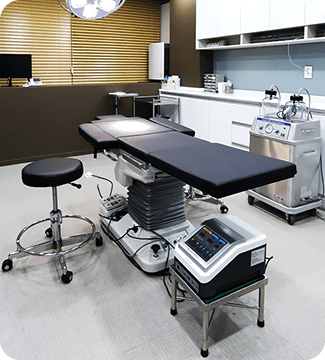
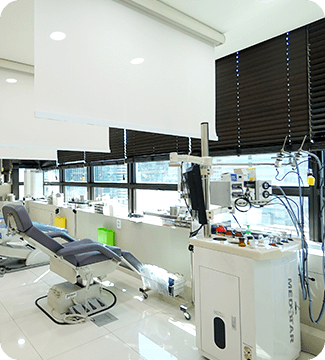
Our large sterile operating room prevents infection,
and ultrasound-guided anesthesia ensures patient safety.

08
Proprietary Core Techniques
Baroko possesses differentiated technical expertise
in facial-line rhinoplasty.
09
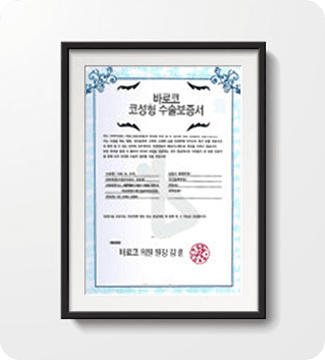
Surgery Warranty Certificate Issued
As a mark of our confidence in rhinoplasty, Baroko issues a surgery warranty certificate
after every procedure and provides thorough
post-operative care.
10
Systematic Post-operative Care
Baroko's unique, systematic post-operative care programme
takes full responsibility for your recovery from bruising, scarring, and swelling.

11
Meticulous Progress Monitoring
We carefully compare before-and-after at every follow-up visit
and monitor progress in detail —
which is why patient satisfaction is consistently high.
Frequently Asked Questions about Nasal Valve Stenosis
The nasal valve is a roof-like space at the upper part of the nasal septum inside the nose that regulates breathing. When this space narrows, it causes a sense of obstruction and nasal congestion. Widening the nasal valve improves the nasal congestion that septoplasty and rhinitis surgery alone cannot fully resolve.
Symptoms include unilateral nasal congestion, sinusitis, migraine, severe snoring, sleep disturbance, and poor concentration.
After precision imaging and a specialist consultation, the narrowed nasal valve space is assessed, and septal cartilage is grafted to widen the nasal cavity. Surgery takes 1–2 hours under local or sedation anesthesia with same-day discharge; recovery is approximately 3–4 weeks (individual variation applies). Private medical indemnity insurance may be applicable.