




Post-operative Precautions
We guide you through post-operative care methods and precautions.
Absolutely no alcohol or smoking for one month;
avoid excessive exercise and stress.
Alcohol promotes inflammation, and smoking constricts blood vessels,
greatly delaying wound healing at the surgical site.
Bruising and swelling may vary by individual.
They may be most severe around day 3–4 and minor swelling may remain for up to 1–2 months.
It is recommended to apply cold compresses for the first week after surgery and alternate
between warm and cold compresses from one week onwards.
Resting in a seated position is preferable to lying down.
If you experience severe pain within one day of surgery,
please contact or visit the clinic.
If you experience severe pain or significant changes in skin colour within one day of surgery,
you must contact the clinic or come in for a visit.
Sensation gradually improves within 6 months of surgery.
Individual recovery rates vary.
Avoid cosmetics and irritating products before suture removal.
Please keep the surgical site away from water and prevent contamination.

Post-operative Self-Care
SELF CARE

01
Lymphatic Stimulation Massage
Using your index and middle fingers, apply gentle pressure up and down around the front and back of the ears. Then, with two fingers joined, roll them across the face from just below the ear (about 3 cm down) in circular motions. Place all four fingers below the ear and slowly massage from behind the ear along the neckline down to the clavicle.
효과
Gentle stroking of the skin promotes lymphatic circulation,
relieving swelling and removing toxins and waste from the body.
02
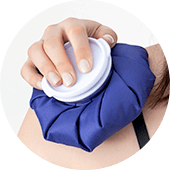
Cold & Warm Compresses
Most effective around 2–3 days after surgery — be careful not to let moisture contact the wound. Apply an ice pack to cool and soothe the swollen area. Do not apply a compress to the same spot for more than 5 minutes at a time to avoid frostbite. Applying warm compresses directly to the surgical site may impede recovery; instead, apply warm compresses to the lymph node areas to promote faster circulation.
효과
Cold compresses constrict skin blood vessels, slow metabolic activity, relieve inflammation,
prevent bleeding, and reduce swelling more quickly.
Warm compresses applied to the lymph node areas help blood and nutrients circulate faster,
aiding in the reduction of bruising and swelling.

03
Acupressure for Swelling Reduction
Rub your hands together to warm them and gently press your face. Using your index and middle fingers, start from the temples and apply firm pressure for approximately 10 seconds each at: below the eyebrows → the centre of the cheekbones → the corners of the lips → the chin tip, in that order.
효과
Gentle stroking of the skin promotes lymphatic circulation,
relieving swelling and removing toxins and waste from the body.

04
Light Walking
About 7 days after surgery, light walking is recommended.
At this stage, avoid exerting yourself to the point of sweating or raising your heart rate.
효과
Light walking after surgery improves blood circulation and aids recovery.
When circulation improves, bruising and swelling at the surgical site
can subside more quickly. Better blood flow promotes tissue regeneration
and helps reduce inflammation.
05
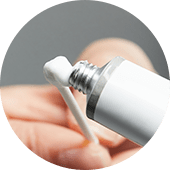
Cleanliness & Hygiene
Do not touch the surgical site with your hands; if you need to apply ointment,
wash your hands thoroughly first and use a cotton swab. When applying cold compresses,
cover the area with clean gauze or cotton to avoid direct skin contact.
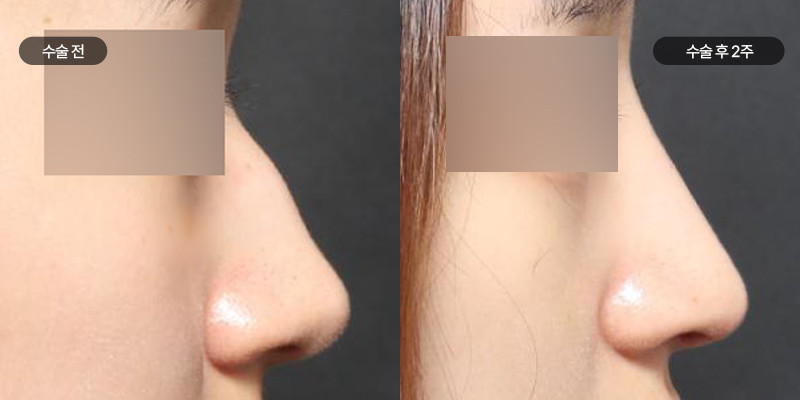
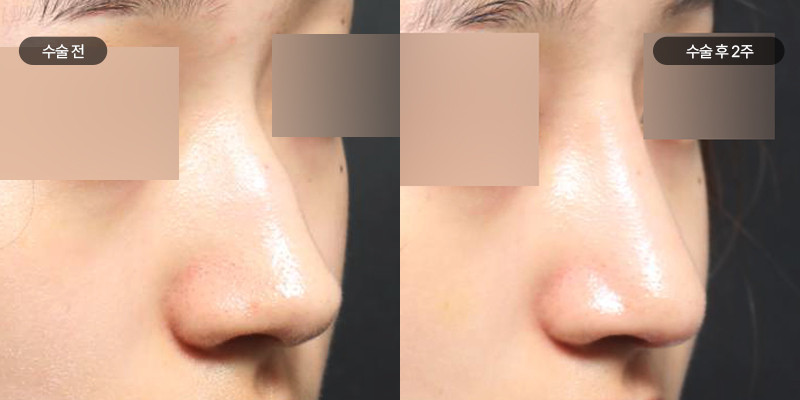
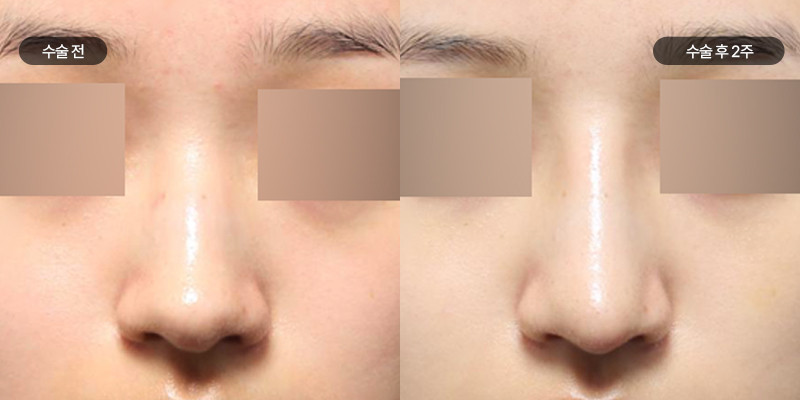
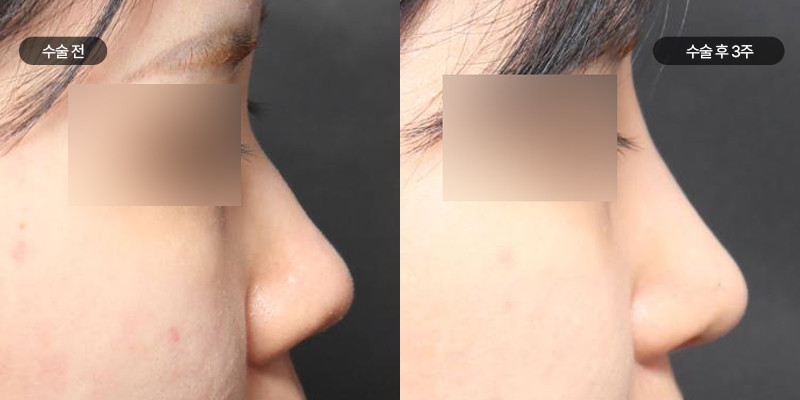
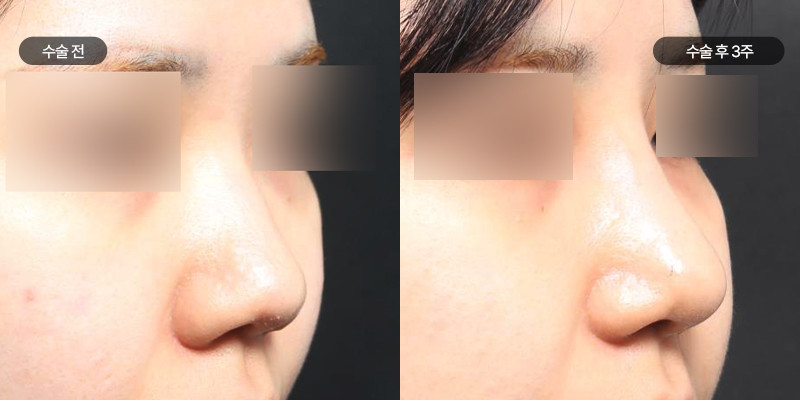
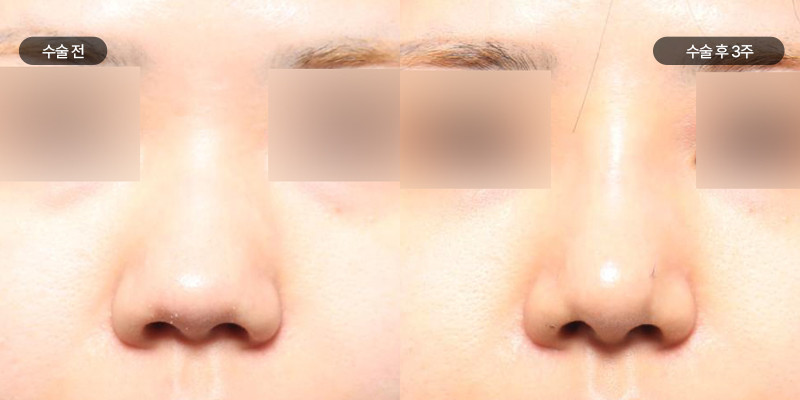
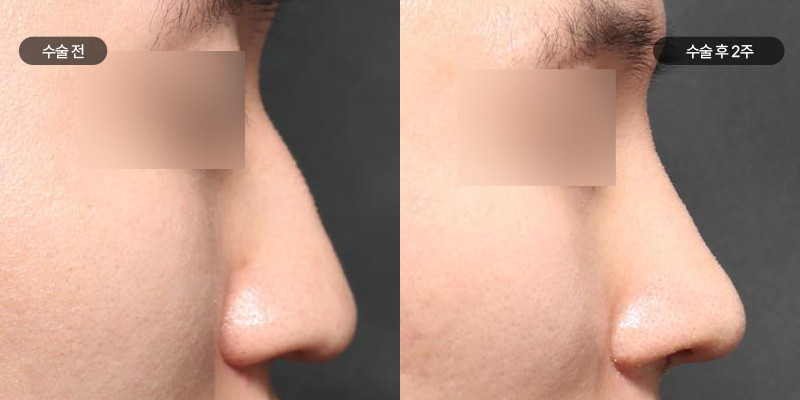
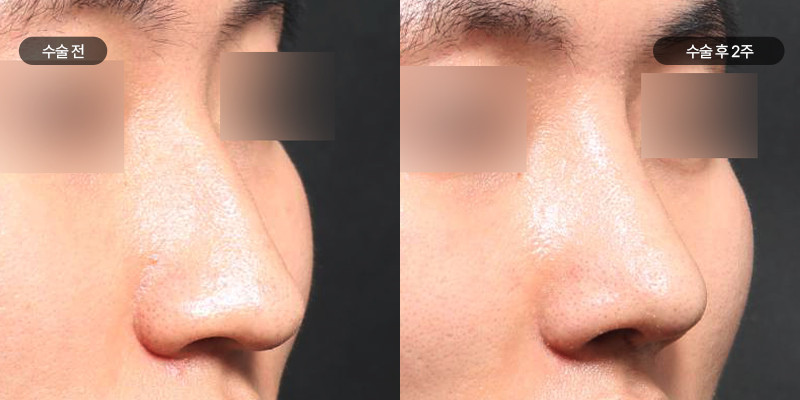
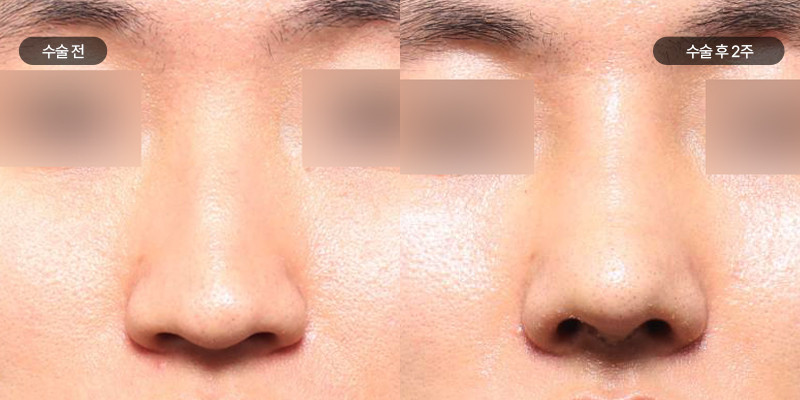
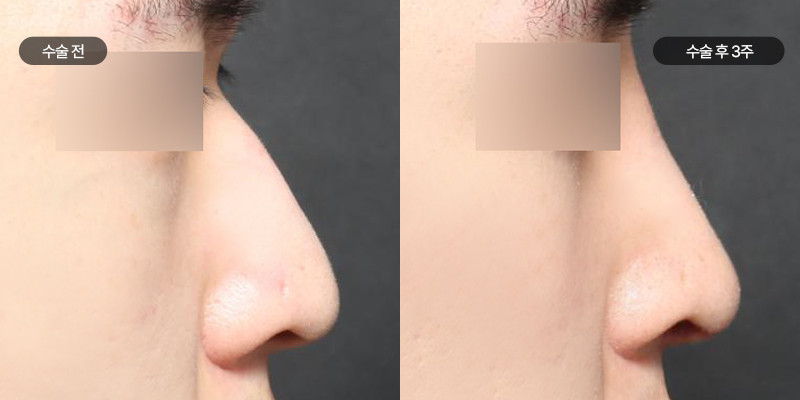
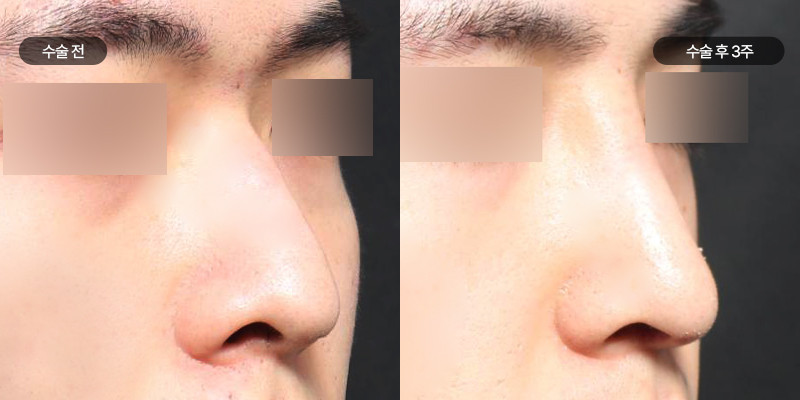
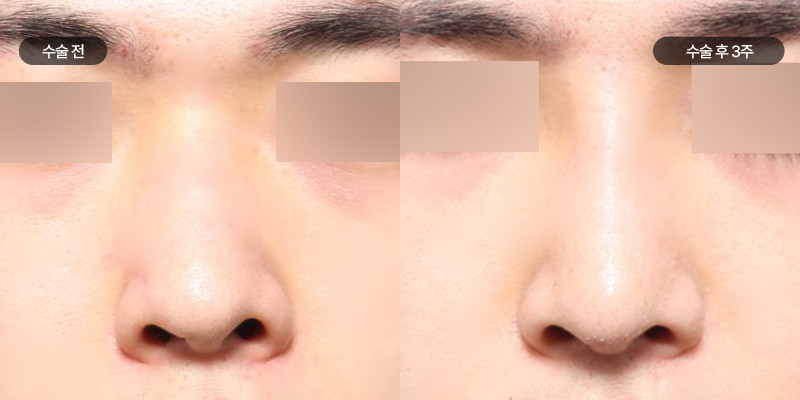
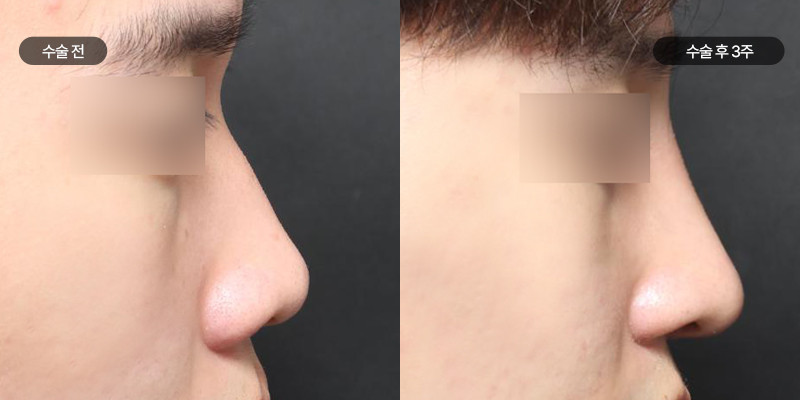
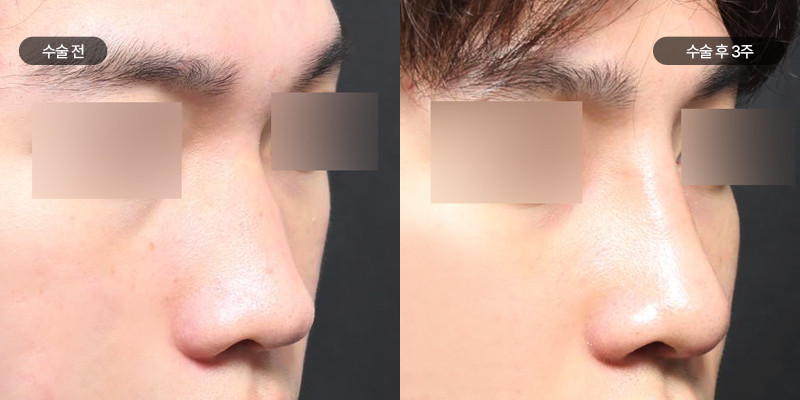
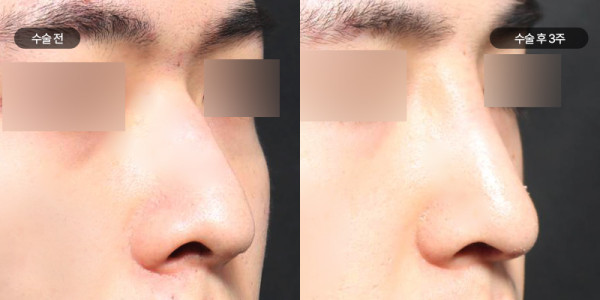
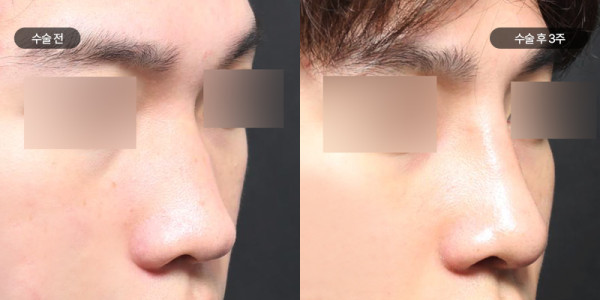
BAROKO results — before & after
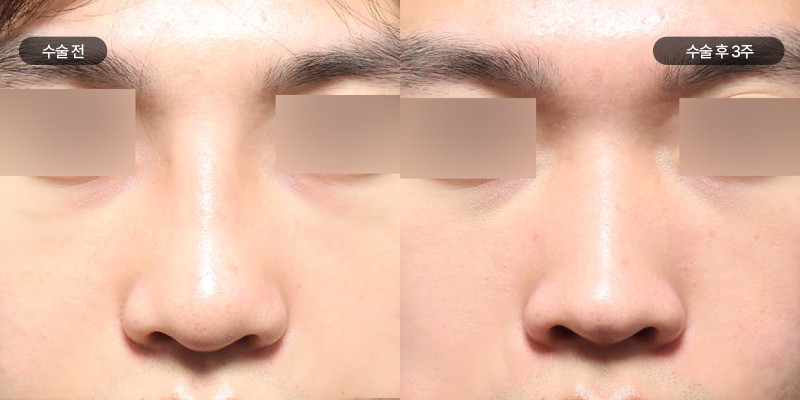


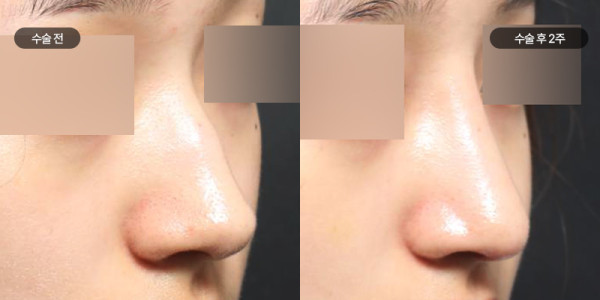
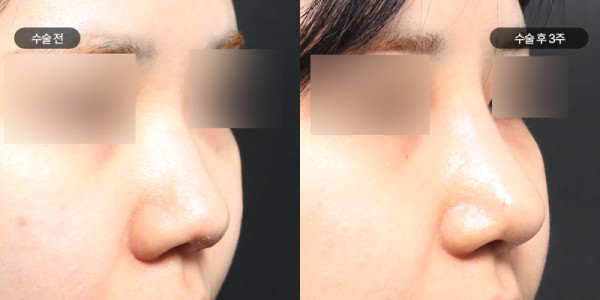
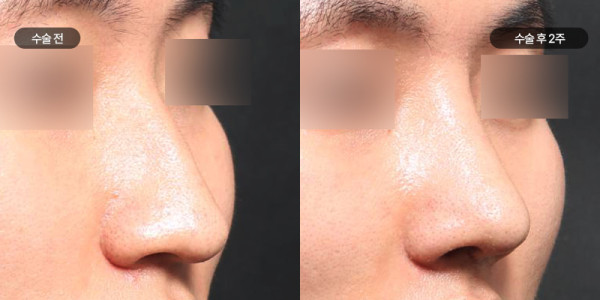


What Makes Baroko Rhinoplasty Special
Baroko takes exceptional pride in rhinoplasty.
01
Precise Pre-operative Examination
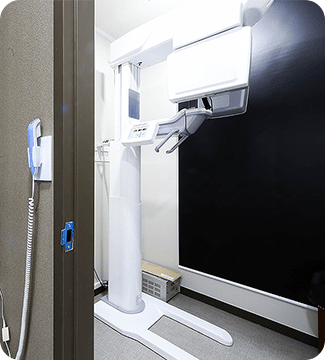
A 3D-CT scanner — used in university hospital settings —
is employed for thorough pre-operative evaluation.
02
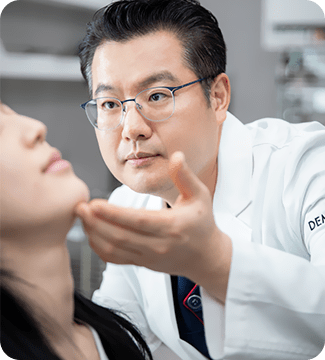
Systematic Analysis & 1:1 Personalised Consultation
After 3D-CT imaging, a comprehensive analysis of internal nasal size and conditions
is followed by an in-depth personalised consultation.
03
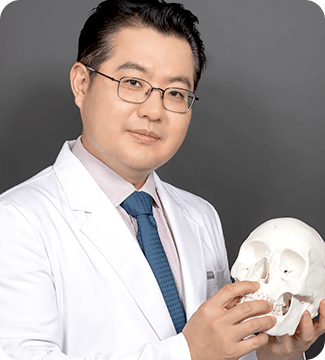
ENT Specialist Dedicated to the Nose
As an ENT specialist focused exclusively on the nose,
our surgeon combines functional expertise with aesthetic sensibility.
04
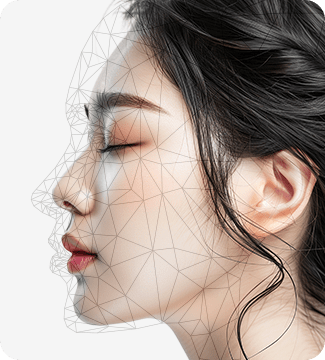
Virtual Simulation System
Pre-operative virtual simulation delivers
accurate, predictable results.
05
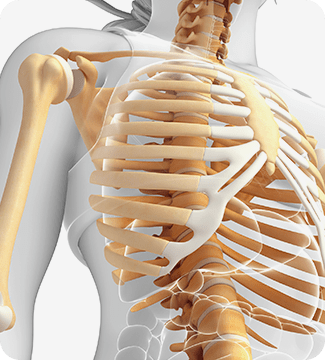
No Artificial Implants
Only autologous cartilage is used — no artificial materials or
donor cartilage — minimising the risk of inflammation.
06
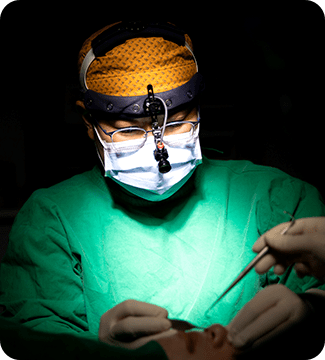
Surgery Performed by Head Surgeon with 20+ Years of Experience
Extensive clinical experience focused solely on the nose
creates harmonious contours tailored to each patient's face.
07
Safe Surgery Commitment
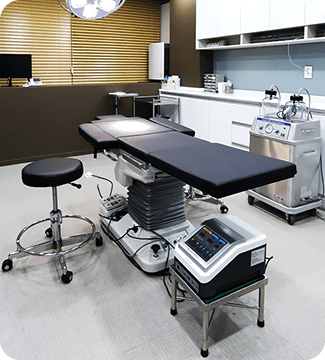
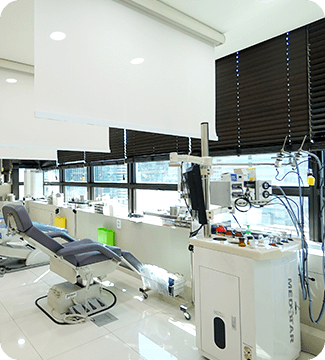
Infection is prevented through our large sterile operating theatre,
and safe anaesthesia is ensured with ultrasound guidance.

08
Proprietary Core Technology
Baroko holds differentiated technical expertise
in facial-contour rhinoplasty.
09
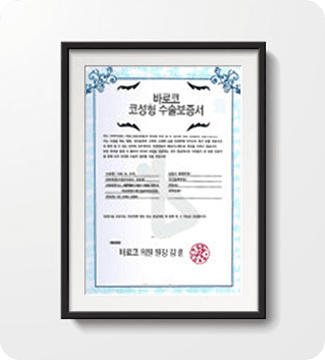
Surgery Warranty Issued
As a mark of Baroko's confidence in rhinoplasty,
a surgery warranty is issued post-operatively
to ensure thorough aftercare.
10
Systematic Aftercare
Baroko's distinctive and systematic aftercare programme
takes responsibility for recovery from bruising, scarring, swelling, and more.

11
Meticulous Progress Monitoring
Before-and-after comparisons are made carefully at each follow-up,
with detailed progress checks —
resulting in high patient satisfaction.
Frequently Asked Questions about Post-operative Precautions
Absolutely no alcohol or smoking for one month, and avoid excessive exercise and stress. Alcohol promotes inflammation and smoking constricts blood vessels, greatly delaying wound healing. Before suture removal, avoid cosmetics and irritating products, and keep the surgical site away from water and contamination.
It may be most severe around day 3–4 after surgery, and minor swelling may remain for up to 1–2 months. Apply cold compresses for the first week, then alternate between warm and cold compresses from one week onwards. Resting in a seated position is preferable to lying down.
If you experience severe pain or significant changes in skin colour within one day of surgery, you must contact the clinic or come in for a visit. Sensation generally improves gradually within 6 months of surgery, and recovery speed varies by individual.