


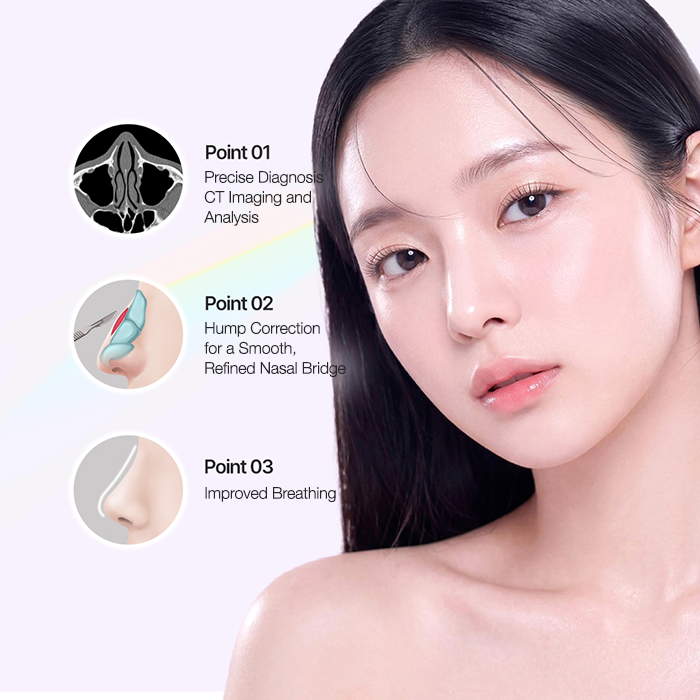
Dorsal Hump Rhinoplasty
Smooth a prominent nasal hump for a softer, more balanced profile.
Procedure at a Glance

Surgery Time
Within 2 hours

Suture Removal
After 6–7 days

Anesthesia
Local / Sedation

Follow-up Visits
3–4 visits

Hospitalization
Same-day discharge

Recovery
1 week
Who It’s For

A bump in the middle of the nasal bridge
An uneven or irregular dorsum
A wide dorsum with a drooping tip
A hump nose that creates a strong or harsh impression
YOUTUBE






BAROKO
NOSE CLINIC


What is a Hump Nose?
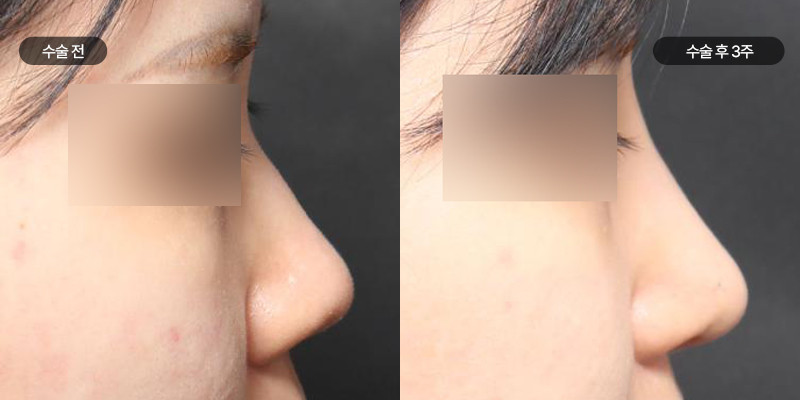
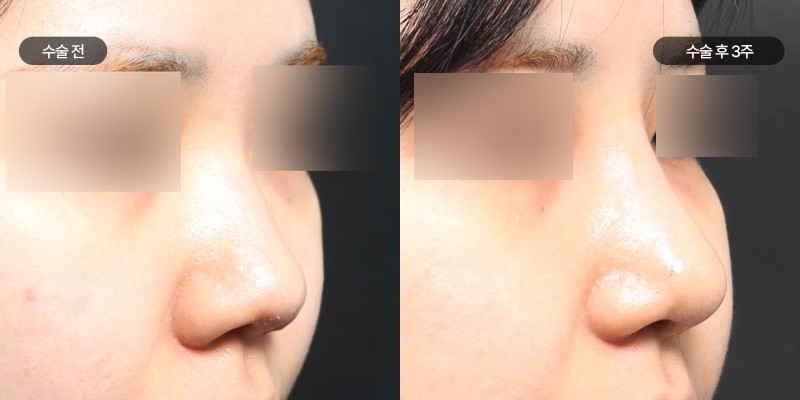
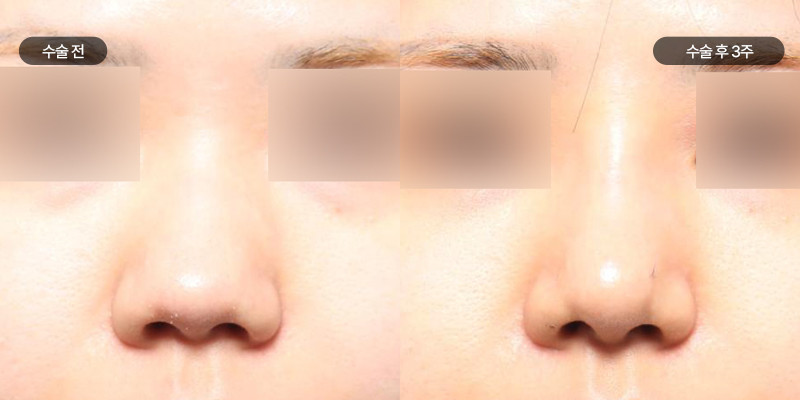
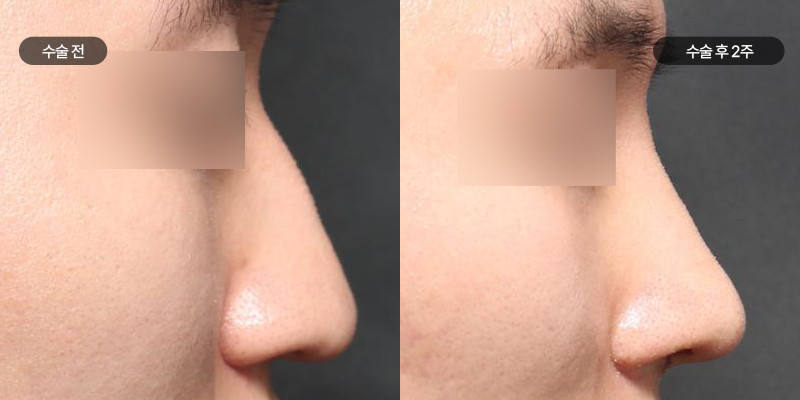
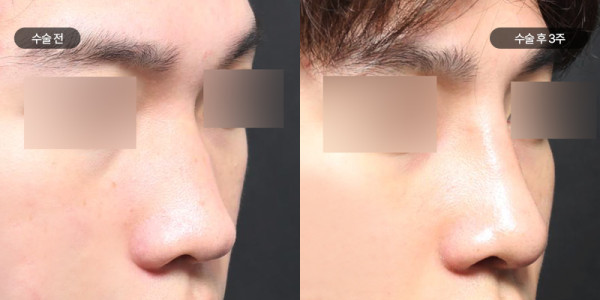
A hump nose has a prominent dorsal bump that creates a stubborn or aged appearance.
Because a hump nose affects one's impression negatively regardless of gender, correction is sought by many, and patient satisfaction after correction is among the highest of all rhinoplasty cases.
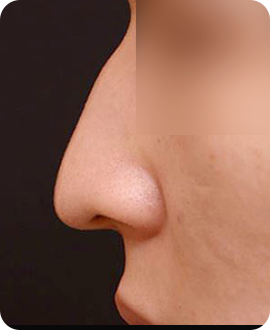
BEFORE
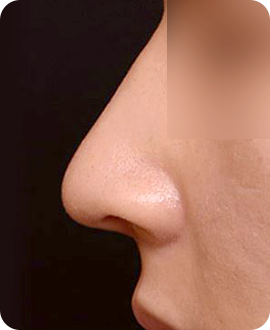
AFTER
Baroko's #1 Patient-Satisfaction Procedure
The 3-NO Dorsal Hump Rhinoplasty Know-How (No Implant)
NO Implant
01
NO Deformity
02
NO Recurrence
03
Baroko's implant-free hump rhinoplasty goes beyond simply avoiding an implant —
it achieves the most ideal nose shape without any artificial material, delivering the highest patient satisfaction and refined surgical results.
Benefits of Baroko Dorsal Hump Rhinoplasty
Smooth Nasal Bridge
The prominent hump is removed to create a sleek dorsal line.

Gentle Impression
A dorsal hump that projects a harsh or aged look can be reshaped into a softer, more approachable image.

Refined Appearance
A more defined profile from every angle.

Baroko Dorsal Hump Rhinoplasty — Key Points
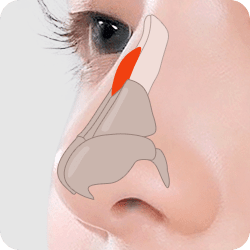
01
Complete Hump Removal
For complete hump removal, the bony and cartilaginous/septal components are addressed separately.
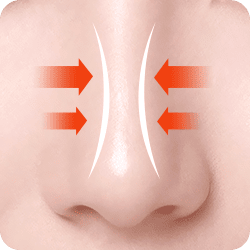
02
Refining and Narrowing the Nasal Bones
Instead of osteotomy (bone-breaking), a precision electric burr is used to finely shave and uniformly narrow the nasal bones.
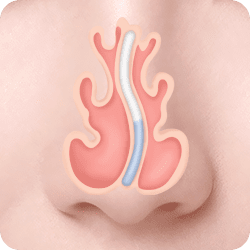
03
Deviated Septum Correction
When a deviated septum is present, a functional procedure is performed concurrently to correct it.
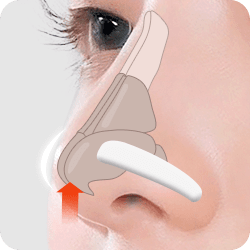
04
Drooping Tip Correction
Autologous cartilage is used to elevate the drooping tip.
Cartilage particles are added as needed to enhance tip support and projection.
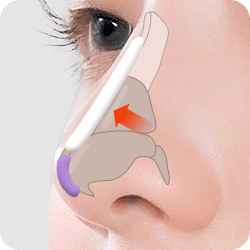
05
A Naturally Elevated Bridge
When required, a shaped cartilage-particle graft made from ground autologous cartilage is used instead of a plain silicone implant to elevate the bridge.
Procedure
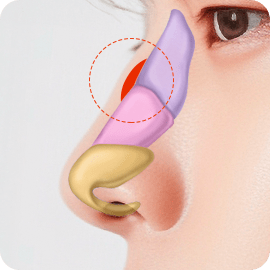
STEP 01
The protruding portion of the nasal bones and dorsal cartilage is removed.
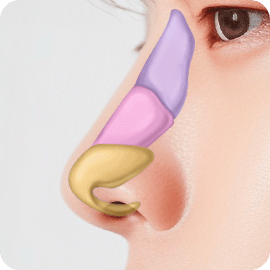
STEP 02
A precision electric burr is used to finely shave the bone, narrowing it uniformly to create a slim, even dorsum.
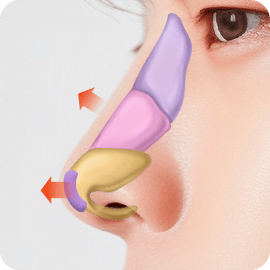
STEP 03
For patients who have sufficient bridge height and want a natural result, hump rhinoplasty can be performed without an implant.
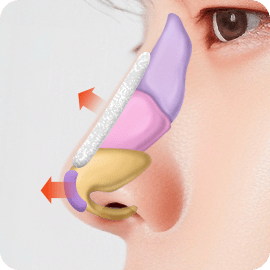
STEP 04
When the bridge is flat or the glabella is low, autologous cartilage particles or a shaped cartilage-particle graft are used to elevate the bridge and blend it naturally with the tip.
BAROKO results — before & after
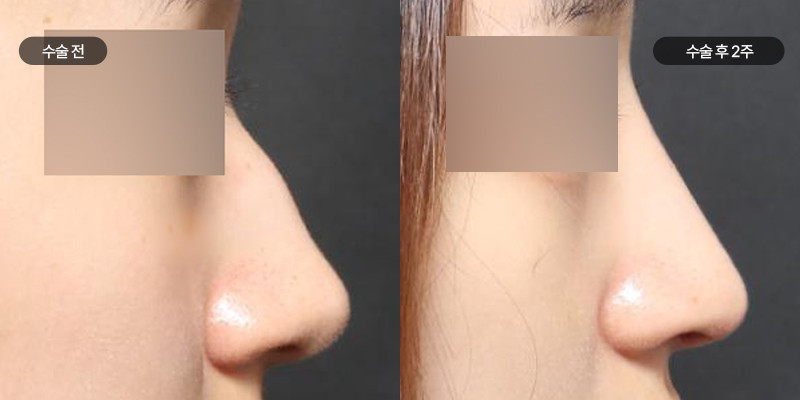
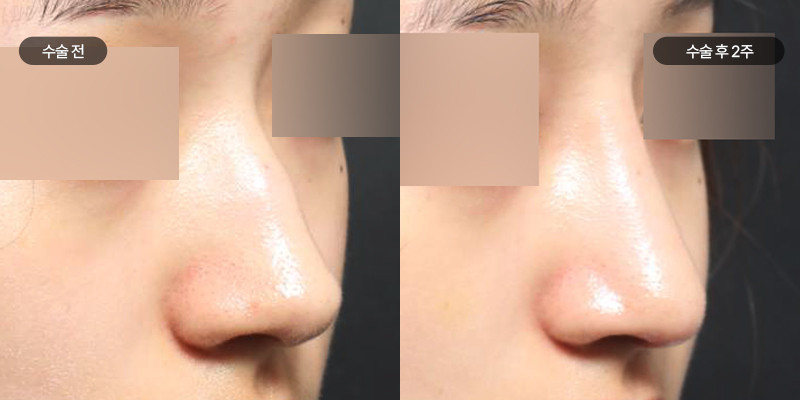
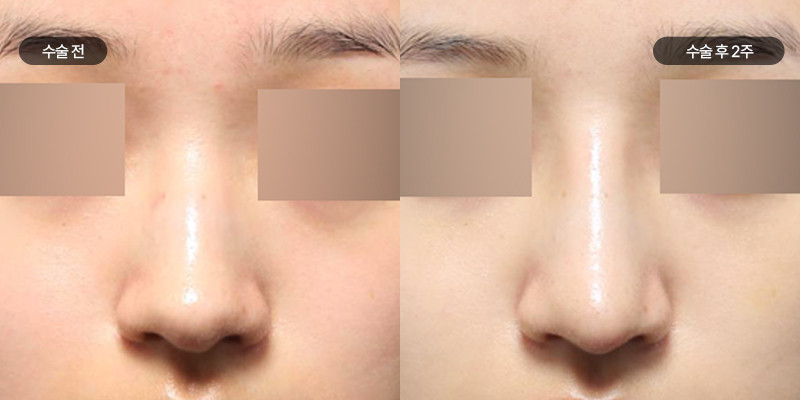
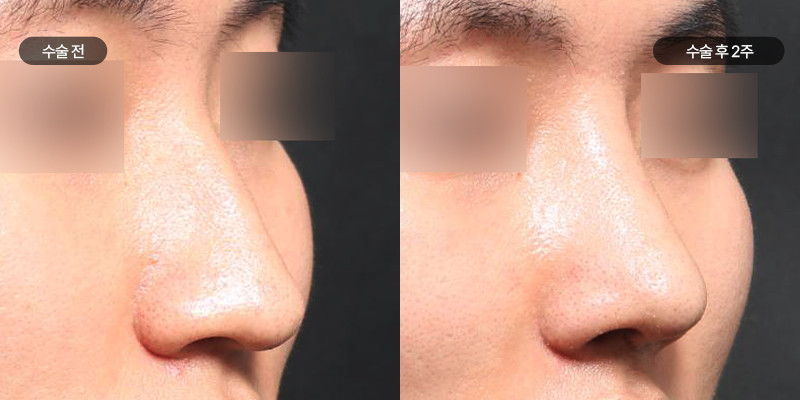
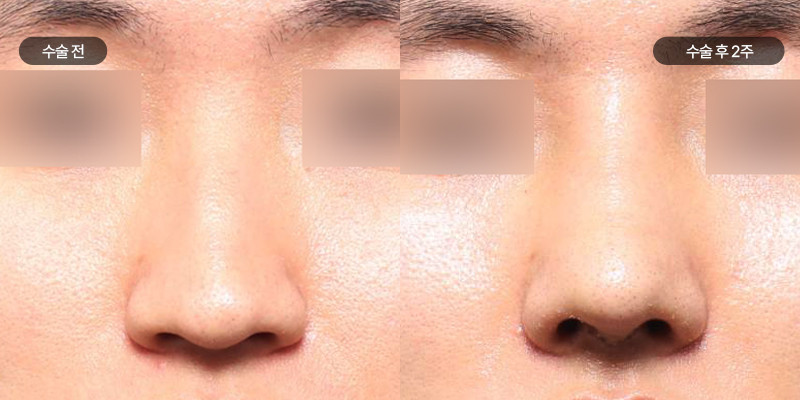
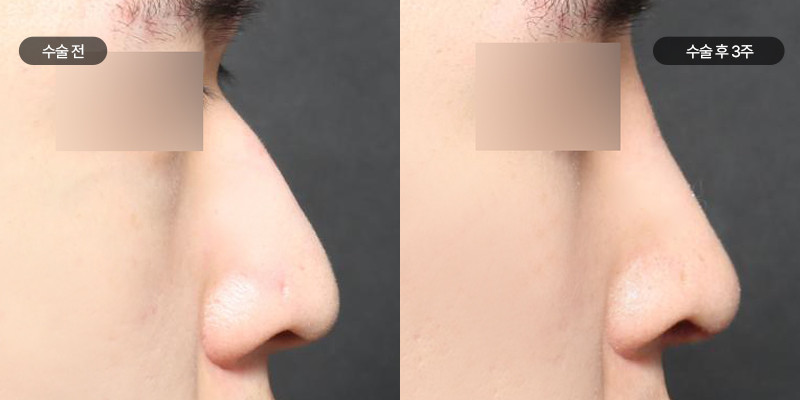
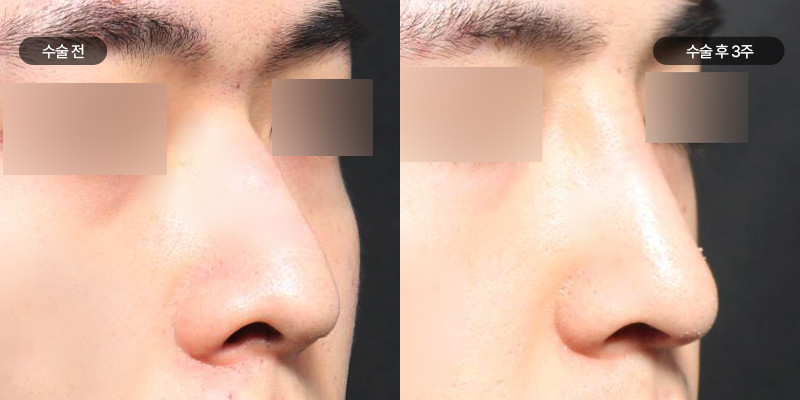
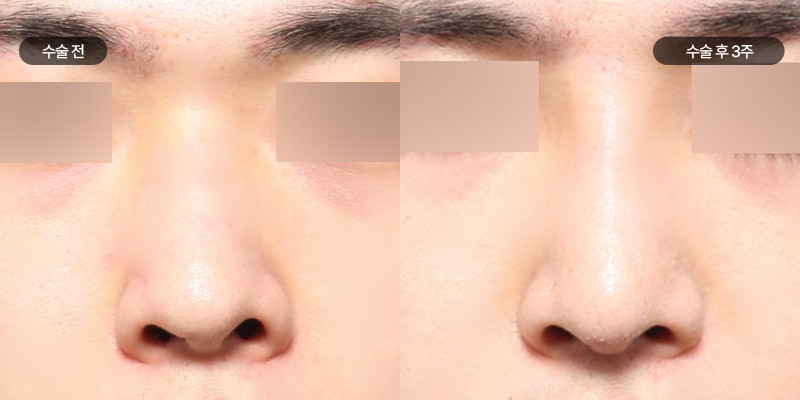
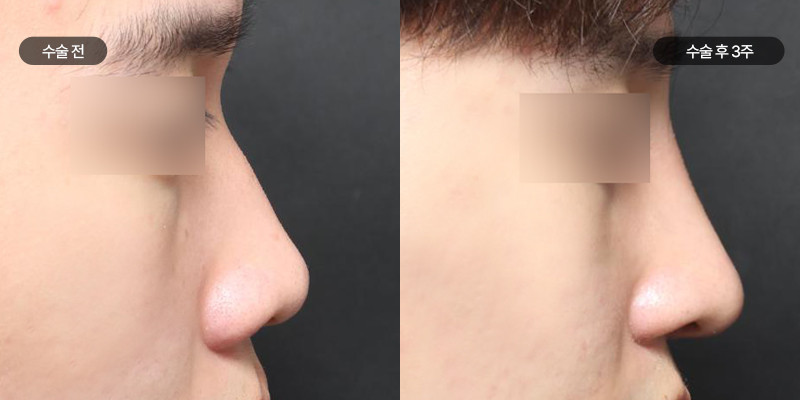
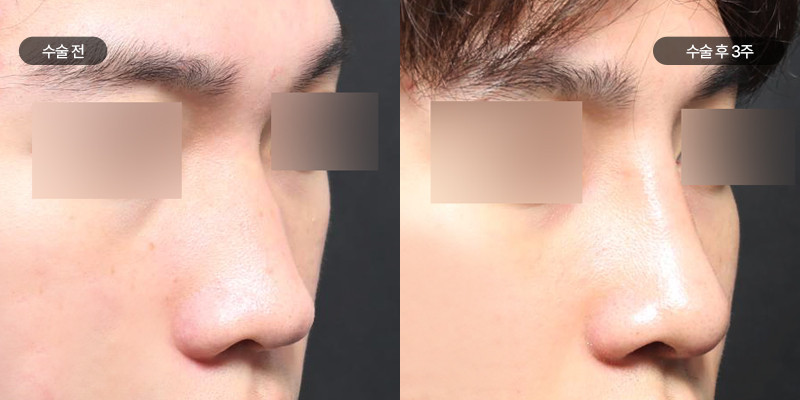
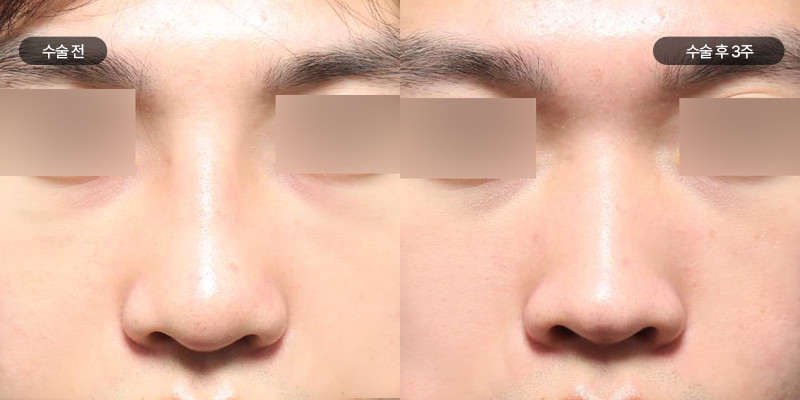


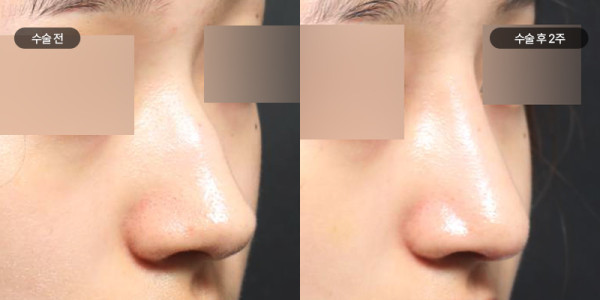
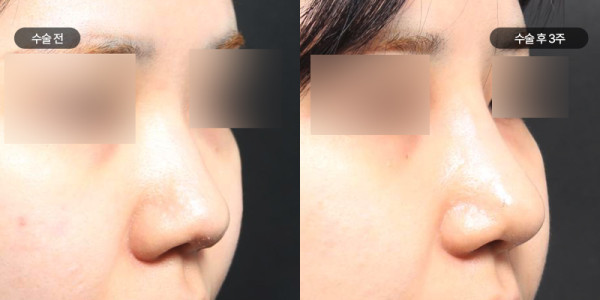
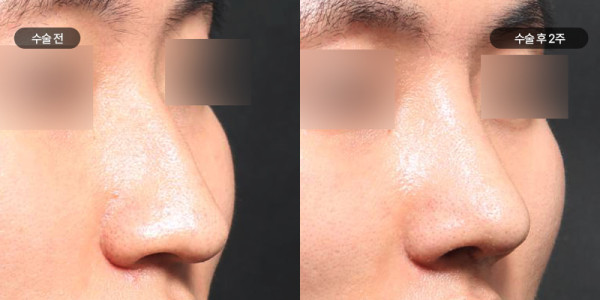
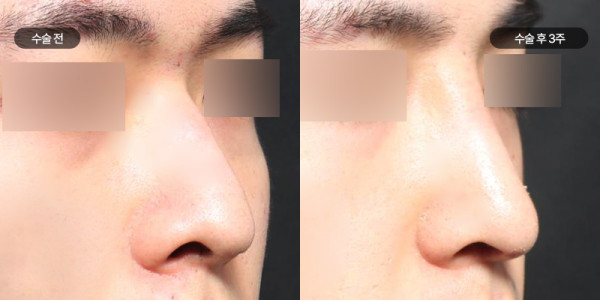


Why Choose Baroko
Experienced care, thoughtful planning, and a focus on safety.
01
Detailed Preoperative Assessment
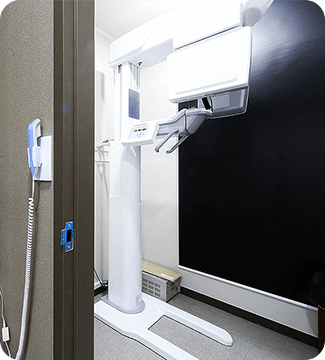
We use hospital-grade 3D-CT imaging to assess your nose before surgery.
02
Personalized Consultation
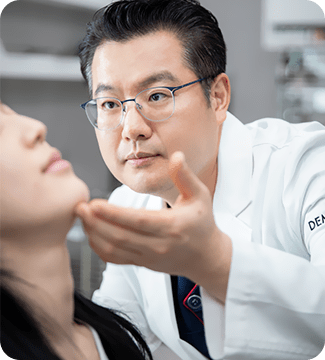
We review your nasal anatomy and any conditions, then discuss a plan tailored to you.
03
ENT Expertise
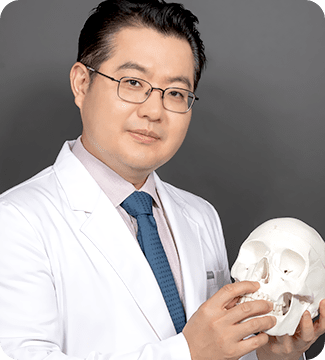
An ENT specialist focused on the nose, combining function and aesthetics.
04
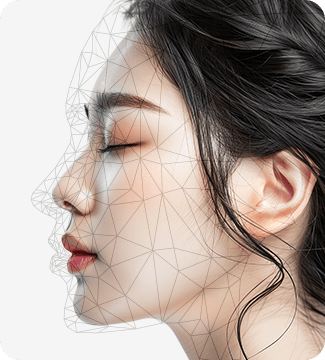
Virtual Surgical Preview
Preview the planned changes and discuss your goals before surgery.
05
Your Own Cartilage
We use your own cartilage rather than synthetic materials or donor cartilage to reduce inflammation risk.
06
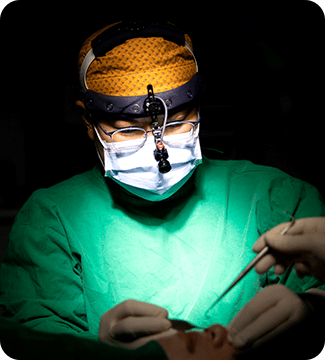
Over 20 Years of Experience
Our head surgeon draws on extensive rhinoplasty experience to create a balanced nasal profile.
07
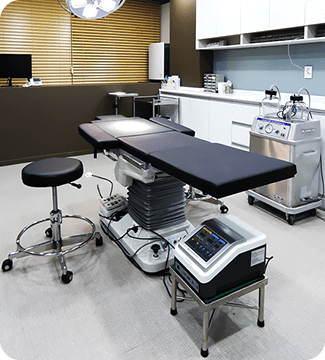
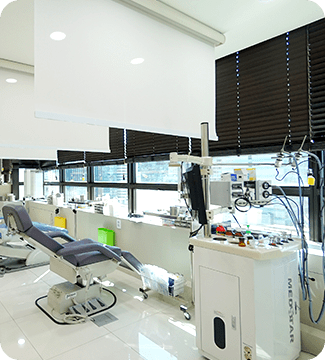
A Focus on Safety
Sterile operating facilities and ultrasound guidance support infection control and safe anesthesia.

08
Specialized Surgical Skills
Rhinoplasty techniques tailored to the balance of your facial features.
09
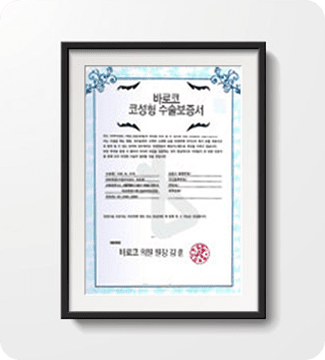
Surgical Warranty
We issue a surgical warranty after the procedure and provide follow-up care.
10
Personalized Aftercare
Care for bruising, swelling, and scars throughout your recovery.

11
Careful Follow-Up
We compare your progress before and after surgery and monitor your recovery closely.
FAQs: Dorsal Hump Rhinoplasty
A nose whose dorsum protrudes, giving a stubborn or aged impression. Because it affects appearance negatively regardless of gender, correction is widely sought; Baroko notes it as the case with the highest patient satisfaction after correction.
Baroko addresses the hump by treating the bony and cartilaginous/septal components separately, and uses a precision electric burr instead of osteotomy to finely shave and narrow the nasal bones — achieving implant-free correction. When the bridge has sufficient height, no implant is needed; when the bridge is flat or the glabella is low, autologous cartilage particles or a shaped cartilage-particle graft are used to build it up.
Surgery takes up to 2 hours under local or sedation anesthesia, with same-day discharge. Sutures are removed after 6–7 days, approximately 3–4 follow-up visits, and recovery is approximately 1 week (recovery varies by individual). If a deviated septum is present, a functional procedure is performed concurrently.