


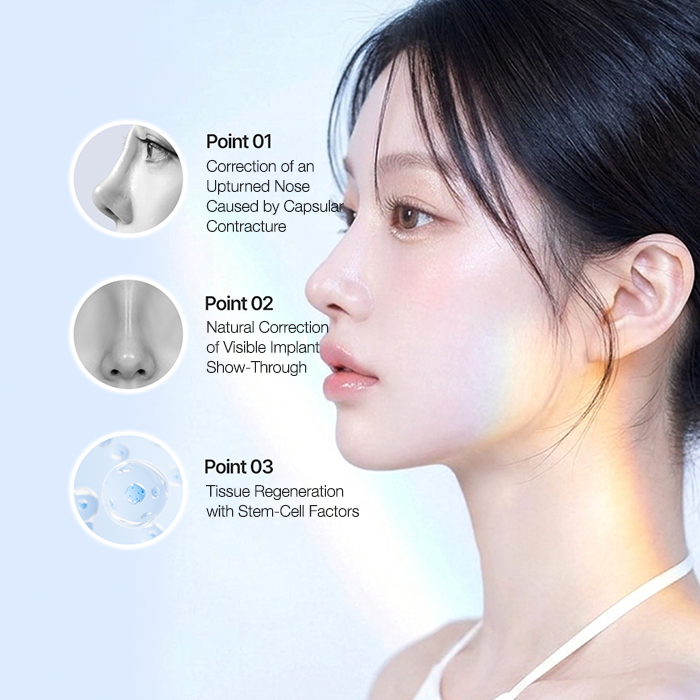
Contracted Nose Revision Rhinoplasty
A specialised rhinoplasty solution that corrects a nose
where the implant is visible or appears raised — using stem-cell growth factors.
Procedure at a Glance

Surgery Time
4+ hours

Suture Removal
6–7 days later

Anesthesia
IV sedation

Follow-up Visits
3–4 visits

Hospitalization
Same-day discharge

Recovery
1 week
Who It’s For

Contracted nose (capsular contracture) caused by the use of artificial materials
Inflammation or necrosis following rhinoplasty
Asymmetry caused by deformation of the nasal septum, nostrils, or other structures
Deformation of the nasal shape
YOUTUBE

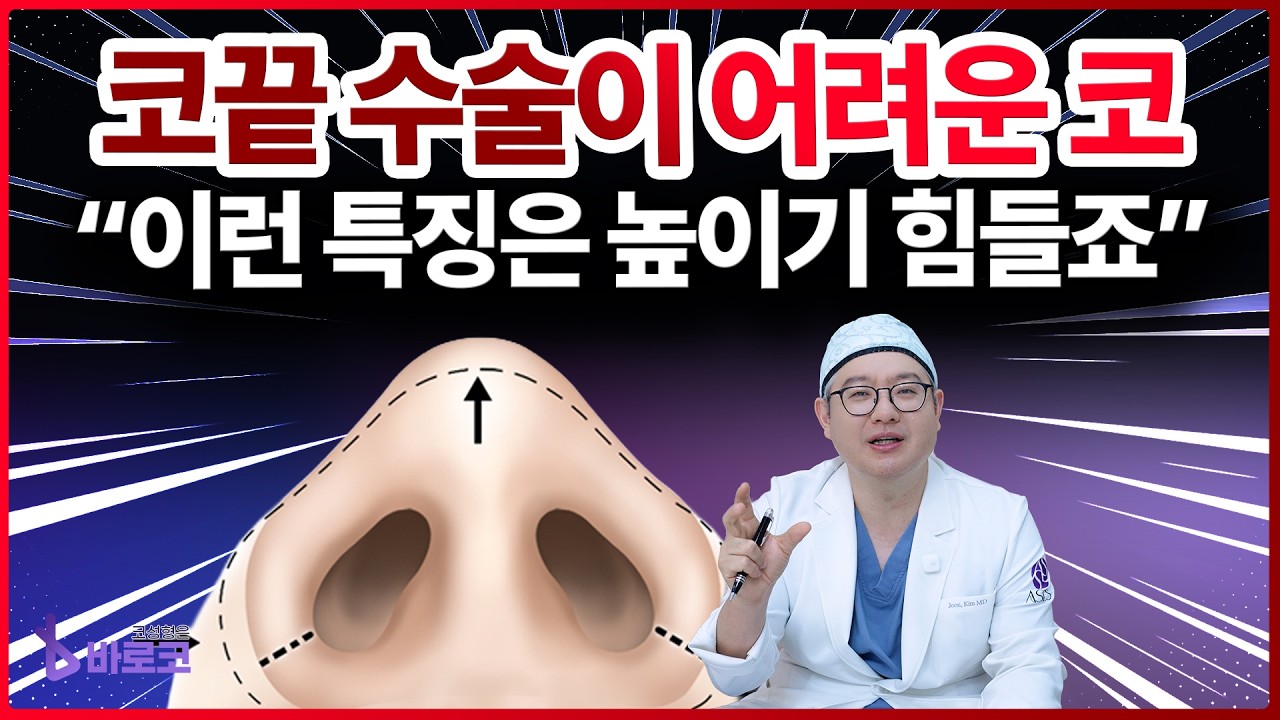

BAROKO
NOSE CLINIC
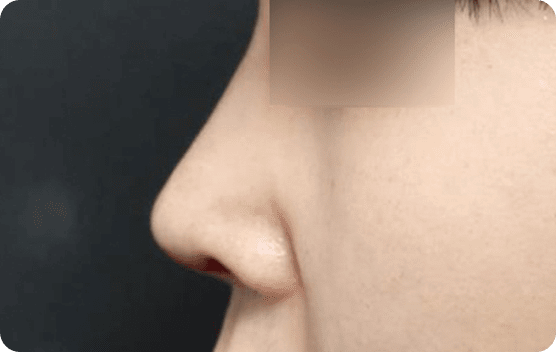

What is Contracted Nose Revision Rhinoplasty?
At Baroko, we identify the cause and severity of contracture, then use stem cells and
autologous cartilage alone for rapid surgery that prevents recurrence.
Incorrect surgical technique
Inflammation from artificial implant
Foreign body reaction
Infection
Key Points of Baroko Contracted Nose Revision Rhinoplasty
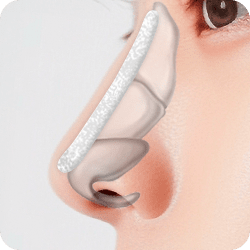
01
Autologous cartilage only —
preventing contracture recurrence
The fibrous capsule clumped inside the nose is thoroughly removed,
and surgery is performed using autologous cartilage and
autologous cartilage particles only — no artificial implant.
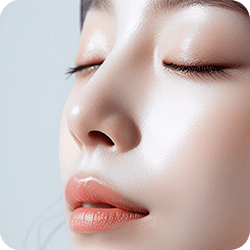
02
Sufficient nasal tip lengthening
The implant and tissues causing contracture are removed.
The dissected soft tissue is then stretched sufficiently,
and autologous cartilage and cartilage particles alone are used to
extend the shortened nose length and nasal tip.
03
Faster revision surgery with stem cells
Stem cells are used to accelerate recovery of damaged
skin tissue, shortening the time until
revision surgery can be performed.
Surgical Procedure
STEP 01
Identify the cause of contracture
and establish a revision surgery plan.
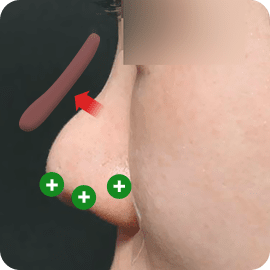
STEP 02
Remove the artificial implant causing
contracture and, where necessary,
combine stem-cell therapy.
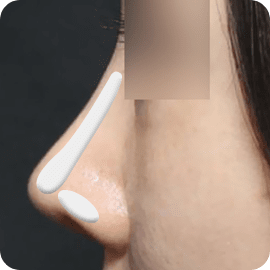
STEP 03
After removing the contracted tissue, use only autologous cartilage
to extend the overall nose length and
nasal tip.
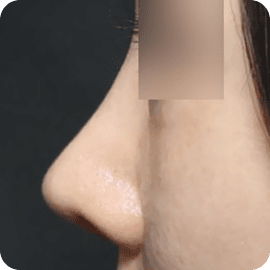
STEP 04
Using only autologous cartilage,
prevent recurrence of contracture.
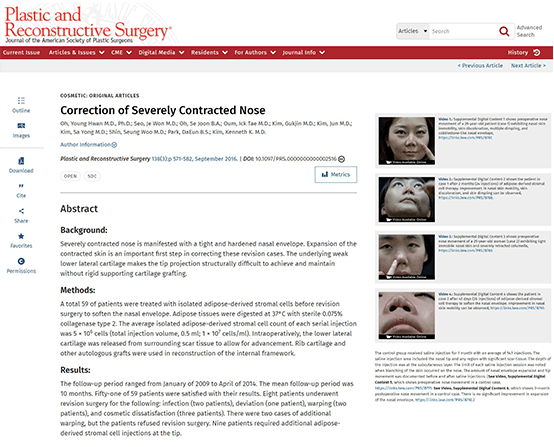
Dr. Jun Kim, Baroko
2016 — Contributing author in PRS,
the world's foremost medical journal, on high-difficulty contracted nose revision

BAROKO NOSE CLINIC
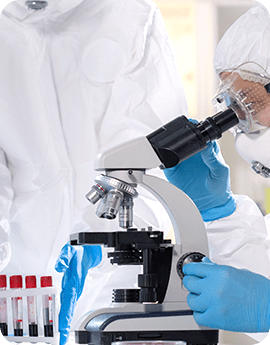
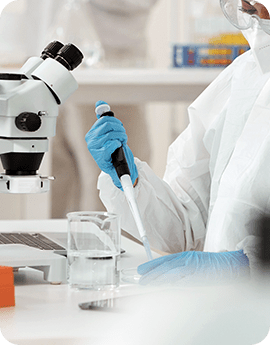
Baroko One-Step Sterile Stem-Cell Regeneration Process —
performed safely within our clinic's sterile system
Baroko's stem-cell system is equipped with technology to extract stem cells from the body
safely and rapidly. Because only uncontaminated, healthy cells are extracted
under a fully sterile system, the engraftment rate is higher.
Baroko Cartilage-Particle Nose Revision
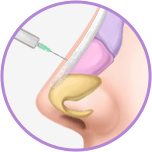
Cartilage-particle nose injection
After implant removal, if you want a natural nose shape,
we recommend the cartilage-particle nose injection.
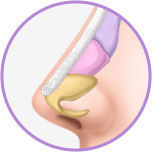
Cartilage-particle rhinoplasty
After implant removal, if you want a defined nose line, we recommend cartilage-particle rhinoplasty.

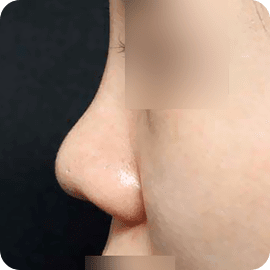
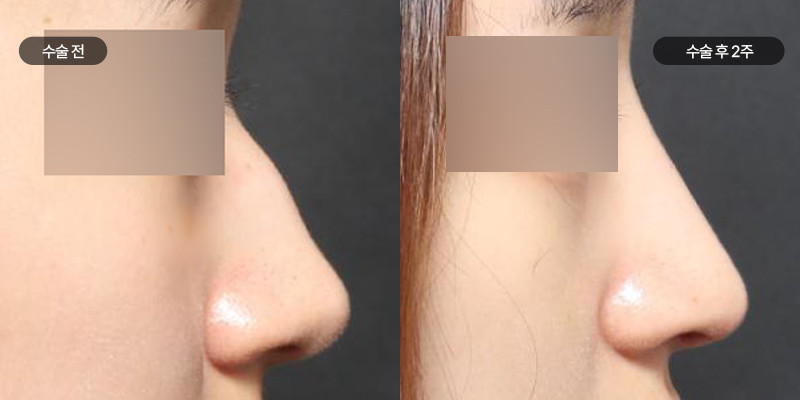
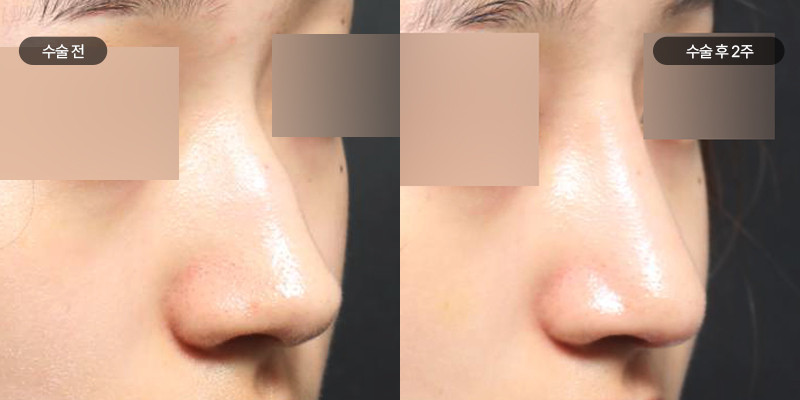
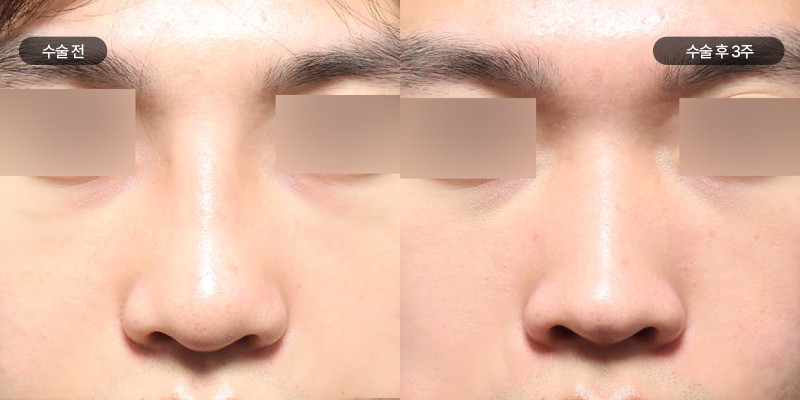
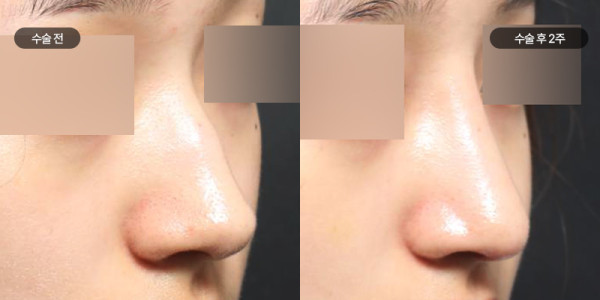
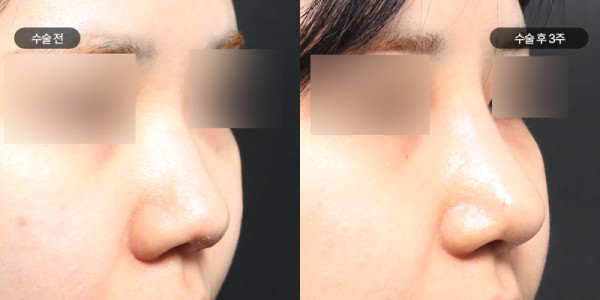
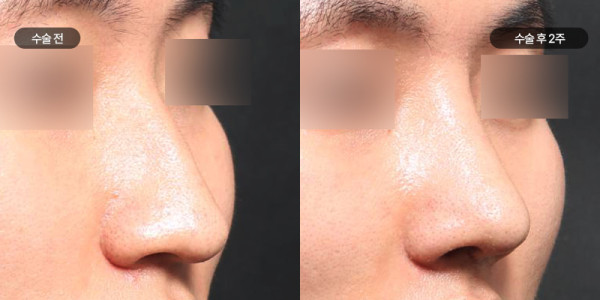
BAROKO results — before & after
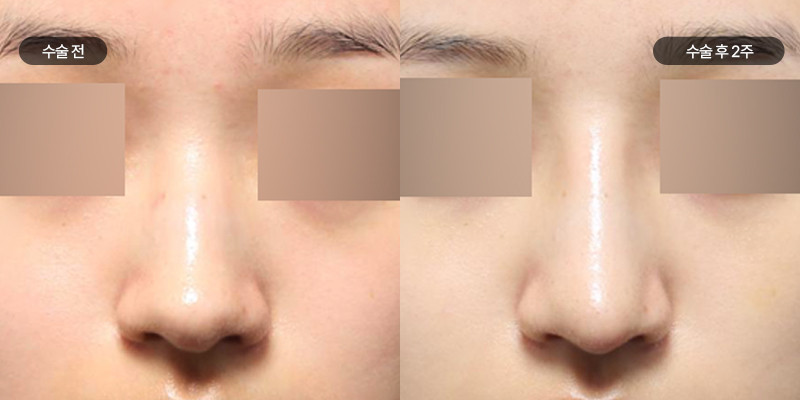
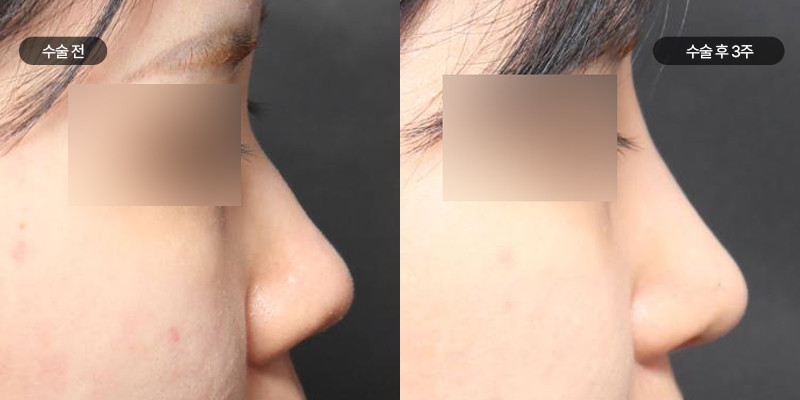
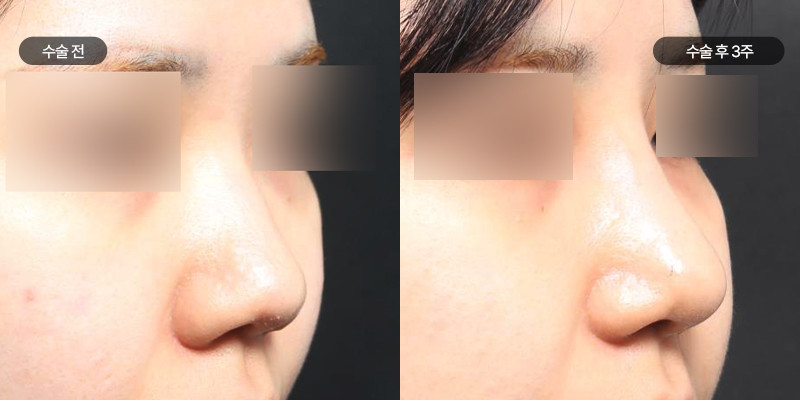
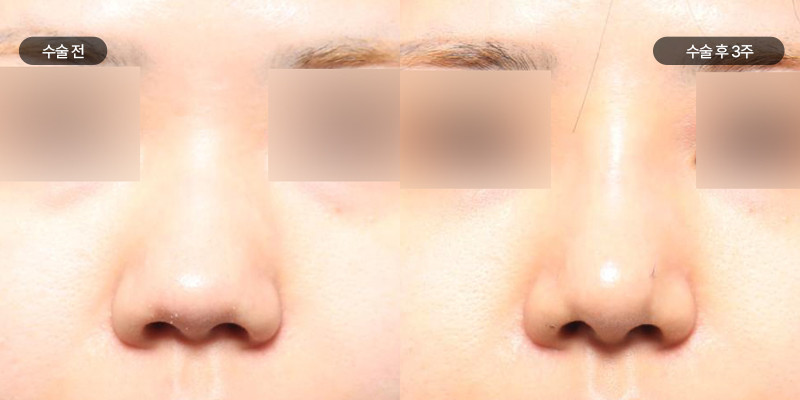
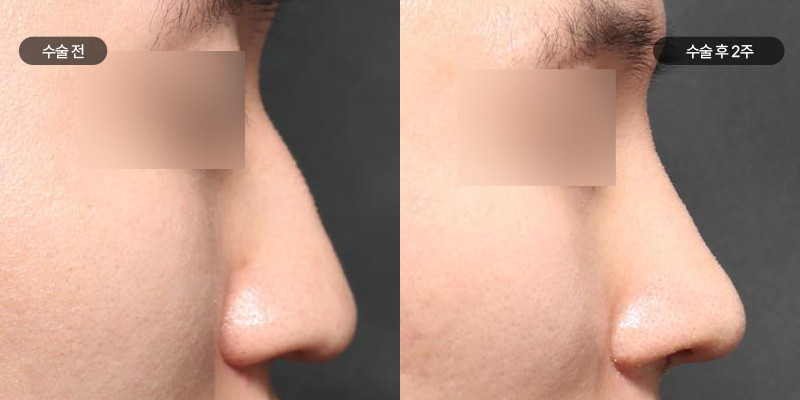
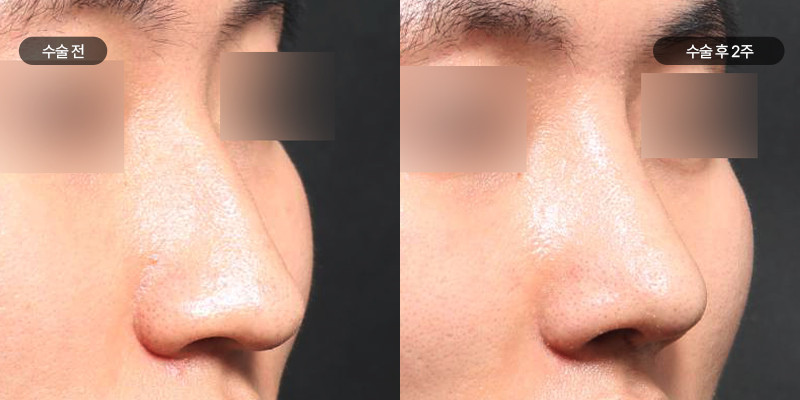
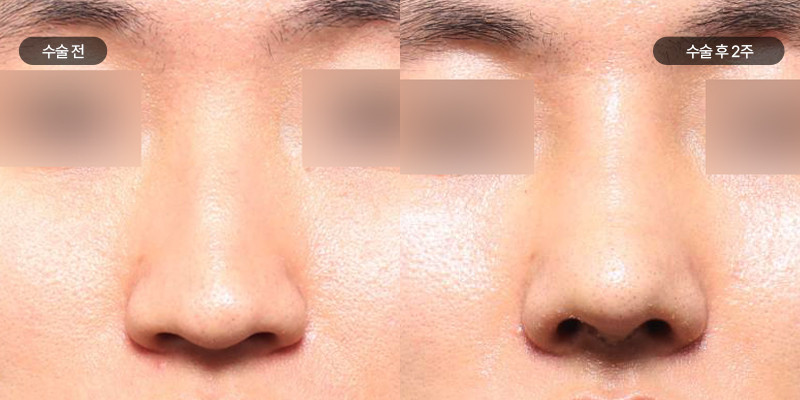
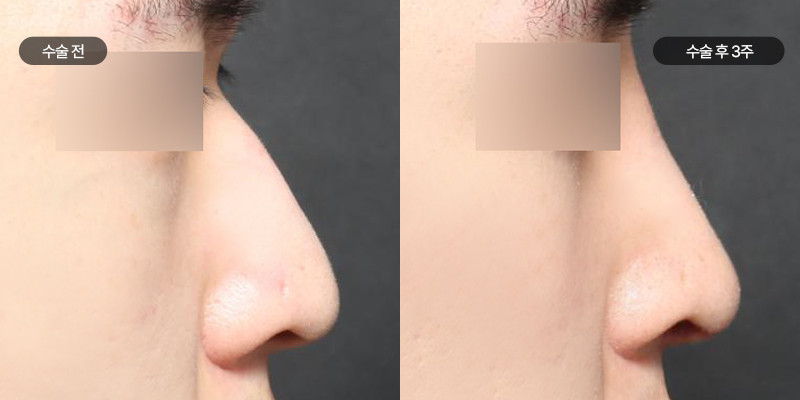
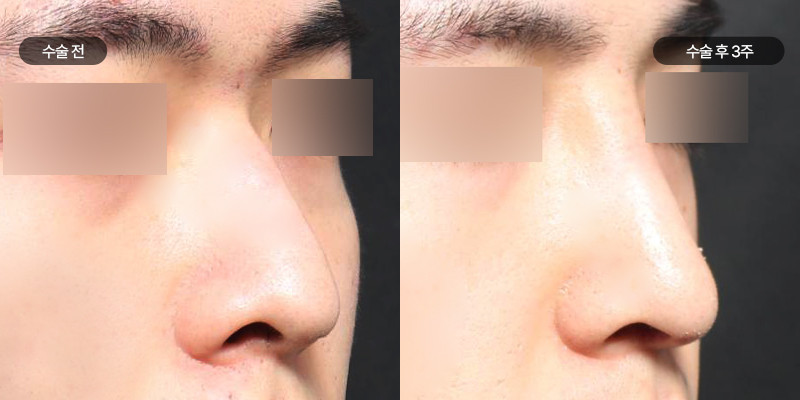
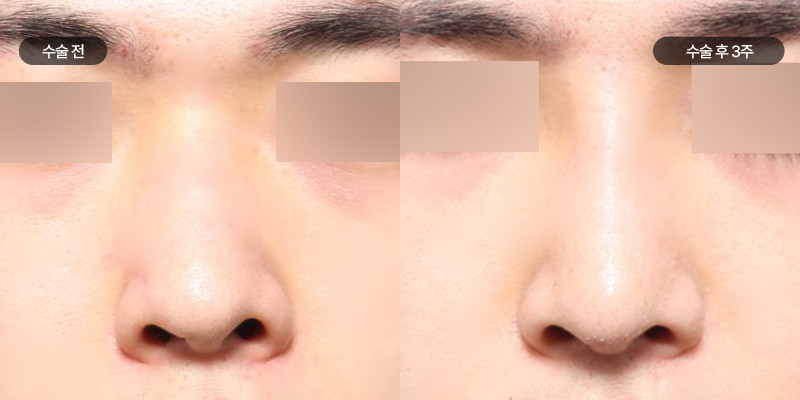
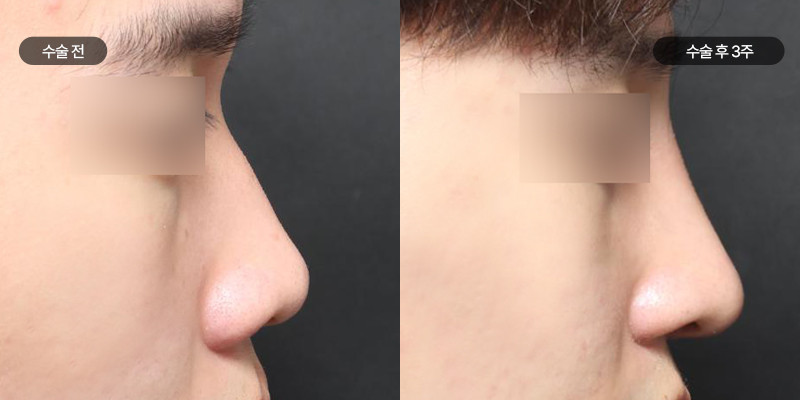
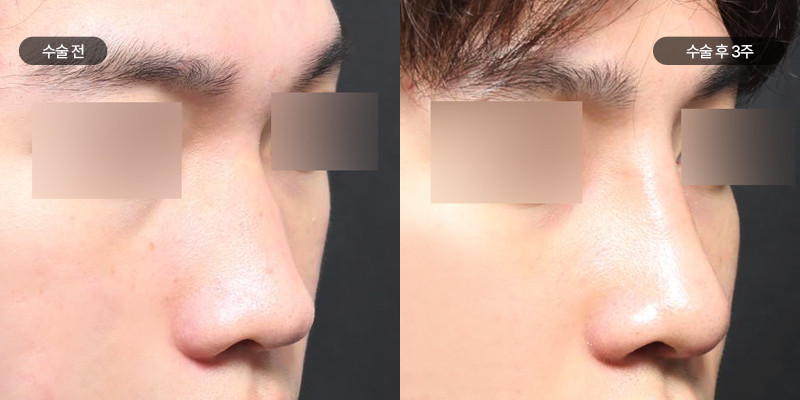


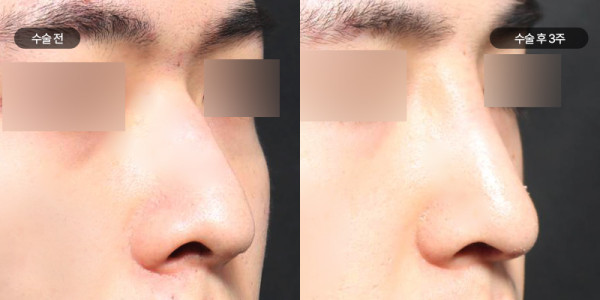
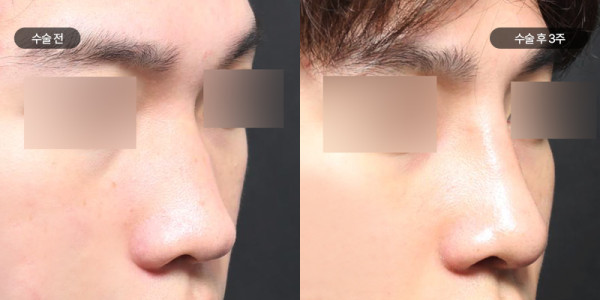


What makes BAROKO rhinoplasty different
BAROKO takes exceptional pride in rhinoplasty.
01
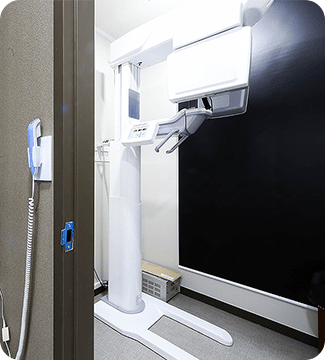
Precise pre-op screening
University-hospital-grade 3D-CT imaging before surgery
for a detailed assessment.
02
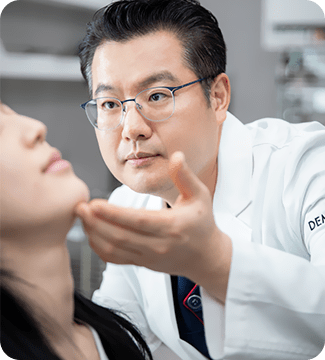
Systematic analysis & 1:1 consultation
After 3D-CT imaging, the internal nasal dimensions and any disease are
analysed, followed by a thorough consultation.
03
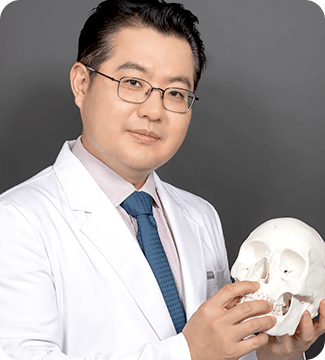
A nose-focused ENT surgeon
An ENT surgeon specialising in the nose —
combining function and aesthetic sense.
04
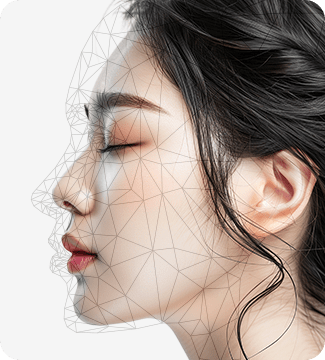
Virtual surgery simulation system
Virtual surgery before the operation produces a
predictable, accurate result.
05
No artificial material
No synthetic material or donor cartilage — only autologous cartilage,
lowering the inflammation rate.
06
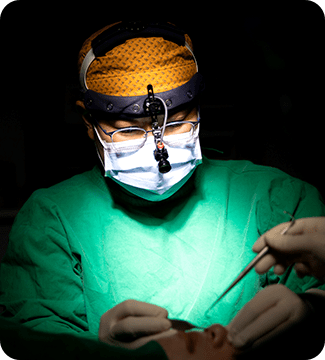
Operated by the director, 20+ years
Extensive clinical experience focused only on the nose,
creating a line in harmony with the face.
07
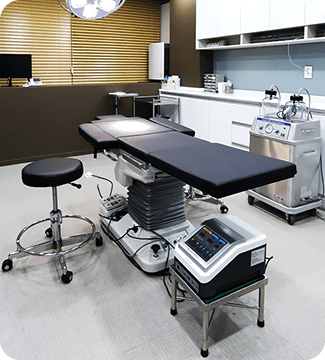
A commitment to safe surgery
A large sterile operating room blocks infection;
ultrasound guidance supports safe anaesthesia.

08
Core technical capability
BAROKO holds differentiated technique
in facial-line rhinoplasty.
09
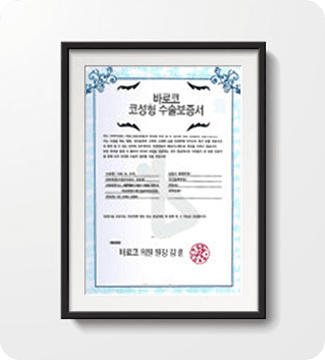
Surgery warranty issued
As a matter of pride, BAROKO issues a surgery warranty
and provides thorough aftercare.
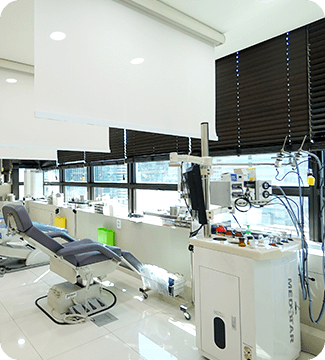
10
Systematic aftercare
BAROKO's own structured aftercare takes responsibility for
recovery from bruising, scarring and swelling.
11
Detailed follow-up checks
Follow-ups compare before and after in detail, and progress is
checked closely — patients report high satisfaction.
Contracted Nose Revision Rhinoplasty — FAQ
At Baroko, after identifying the cause and degree of contracture, the fibrous capsule clumped inside the nose is removed. Surgery is performed using only autologous cartilage and autologous cartilage particles — no artificial implant. The dissected soft tissue is stretched sufficiently to extend the shortened nose length and nasal tip; using only autologous cartilage prevents recurrence of contracture.
The causes include incorrect surgical technique, inflammation from an artificial implant, foreign body reaction, and infection.
Surgery takes 4+ hours — longer than other nose revision procedures. It is performed under IV sedation and the patient is discharged the same day. Suture removal is 6–7 days later, with 3–4 clinic visits and approximately 1 week of recovery (individual results vary). Because the procedure requires greater care than a primary surgery, a thorough consultation and examination are essential beforehand.